Scientists create world’s smallest programmable robots, share pics
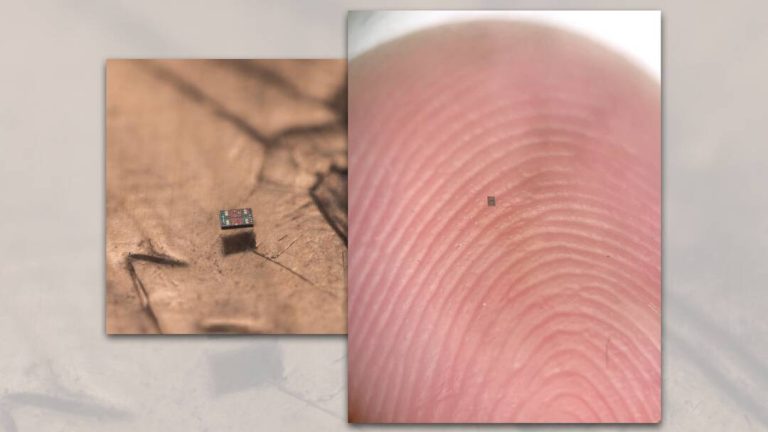
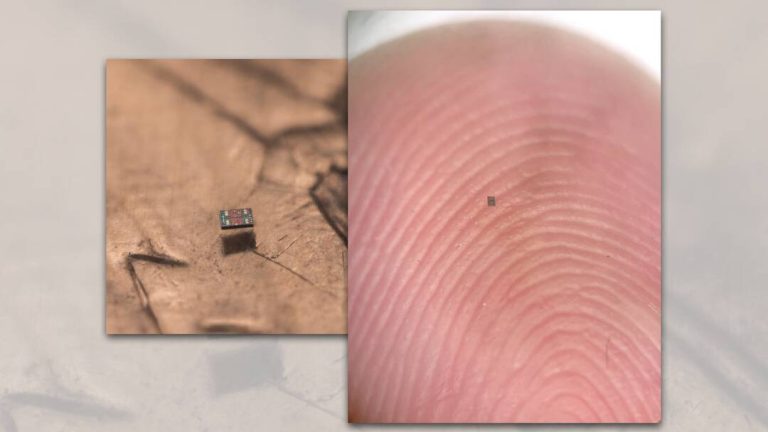
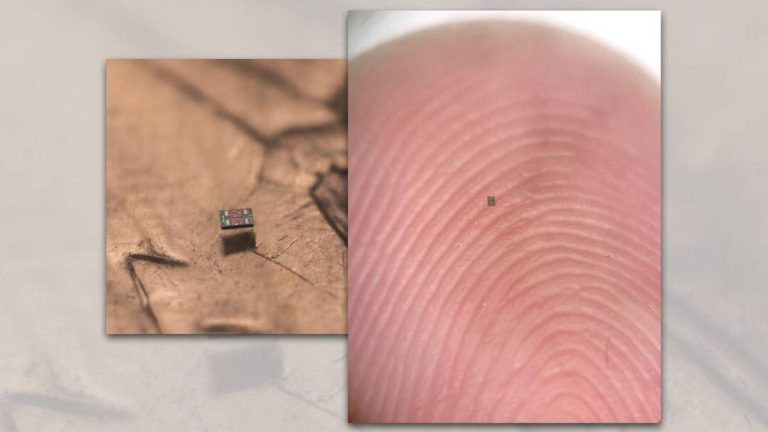
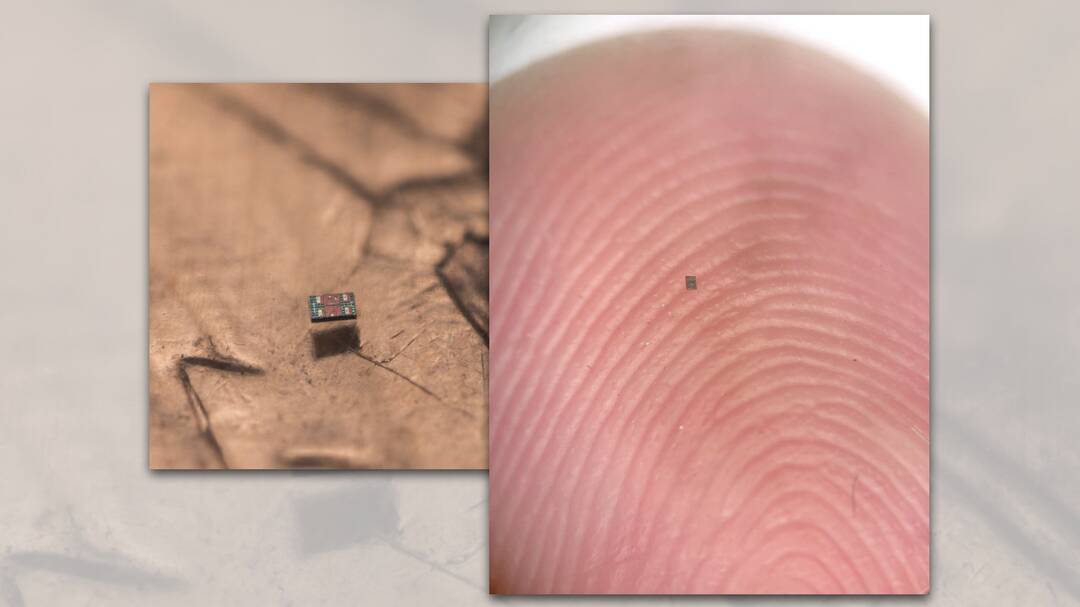
In a groundbreaking achievement, researchers from the Universities of Pennsylvania and Michigan have successfully created the world’s smallest fully programmable and autonomous robots. These microscopic machines are capable of independently sensing and responding to their surroundings, paving the way for a new era of miniaturized robotics. The robots, which are barely visible to the naked eye, measure a mere 0.2 by 0.3 by 0.05 millimeters, making them smaller than a grain of salt.
The development of these tiny robots is a significant breakthrough in the field of robotics, as it enables the creation of machines that can operate in environments that were previously inaccessible. The robots are designed to swim through fluids, allowing them to navigate through complex systems and interact with their surroundings in a highly controlled manner. This capability has the potential to revolutionize a wide range of fields, including medicine, environmental monitoring, and industrial manufacturing.
One of the most impressive aspects of these robots is their ability to be programmed and controlled. The researchers have developed a sophisticated system that allows the robots to be programmed using a simple and intuitive interface. This enables users to specify the desired behavior of the robots, including their movement patterns, sensing capabilities, and response to environmental stimuli. The robots can also be controlled remotely, allowing users to adjust their behavior in real-time.
The robots are incredibly inexpensive to produce, with a cost of just one penny per unit. This makes them highly accessible to researchers and industries, allowing them to be deployed in large numbers and used in a variety of applications. The low cost also enables the development of swarm robotics, where large numbers of robots are deployed to achieve complex tasks.
The development of these robots was made possible through the collaboration of researchers from the Universities of Pennsylvania and Michigan. The team used advanced microfabrication techniques to create the robots, which are made from a thin layer of metal and a flexible polymer. The robots are powered by a small electric field, which allows them to swim through fluids and interact with their surroundings.
The researchers have shared pictures of the robots, which provide a glimpse into the incredible complexity and sophistication of these tiny machines. The images show the robots in various stages of development, from the initial design and fabrication to the final testing and deployment. The pictures also highlight the robots’ ability to swim and interact with their surroundings, demonstrating their potential for use in a wide range of applications.
The creation of the world’s smallest programmable robots is a significant achievement that has the potential to revolutionize a wide range of fields. The ability to create machines that can operate at the microscale opens up new possibilities for research and development, and enables the creation of systems that are more efficient, effective, and sustainable. As the technology continues to evolve, we can expect to see even more innovative applications of these tiny robots, from medical devices and environmental monitoring systems to industrial manufacturing and beyond.
In conclusion, the development of the world’s smallest programmable robots is a groundbreaking achievement that has the potential to transform a wide range of fields. The ability to create machines that can operate at the microscale, sense and respond to their surroundings, and be programmed and controlled remotely, opens up new possibilities for research and development. The low cost and high accessibility of these robots make them an attractive option for industries and researchers, and their potential applications are vast and varied. As the technology continues to evolve, we can expect to see even more innovative applications of these tiny robots, and a future where robotics plays an increasingly important role in our daily lives.
For more information on this breakthrough, please visit: https://www.seas.upenn.edu/stories/penn-and-umich-create-worlds-smallest-programmable-autonomous-robots/
About the Author