Scientists create world’s smallest programmable robots, share pics
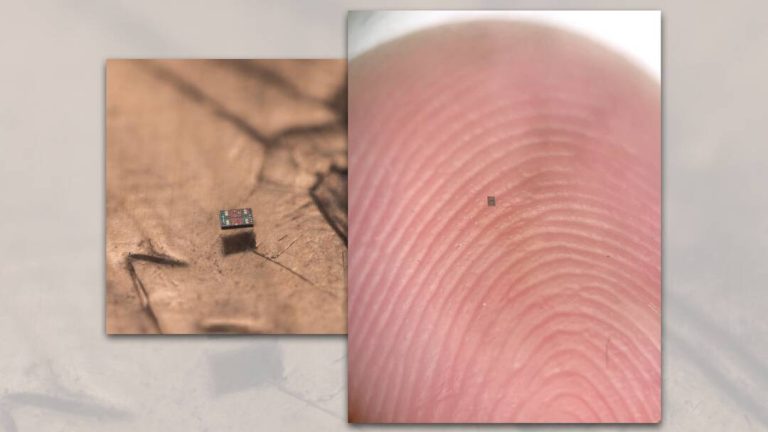
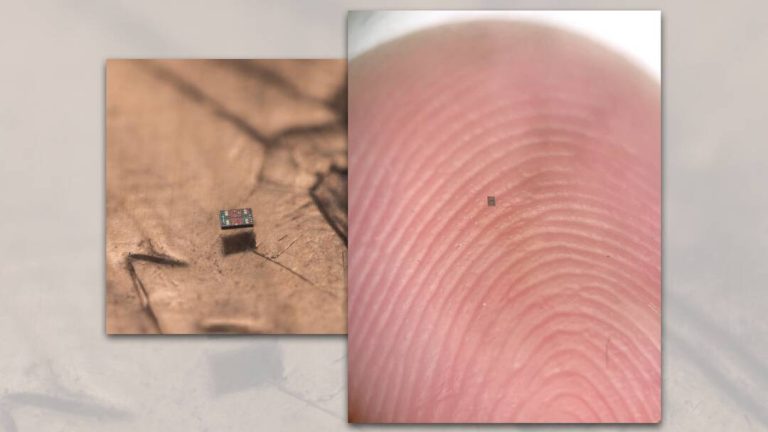
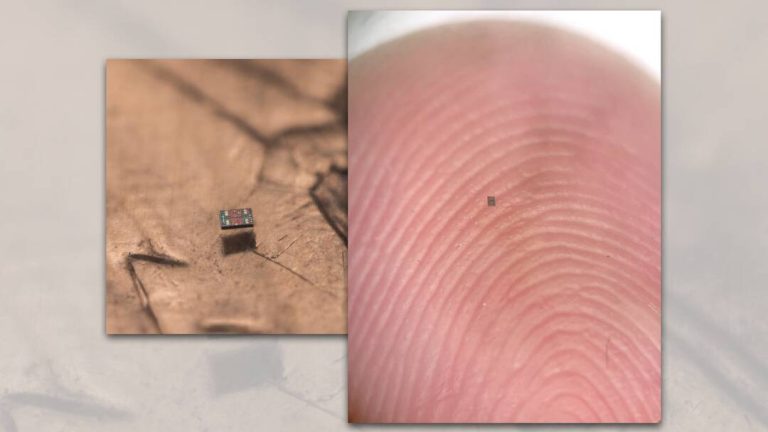
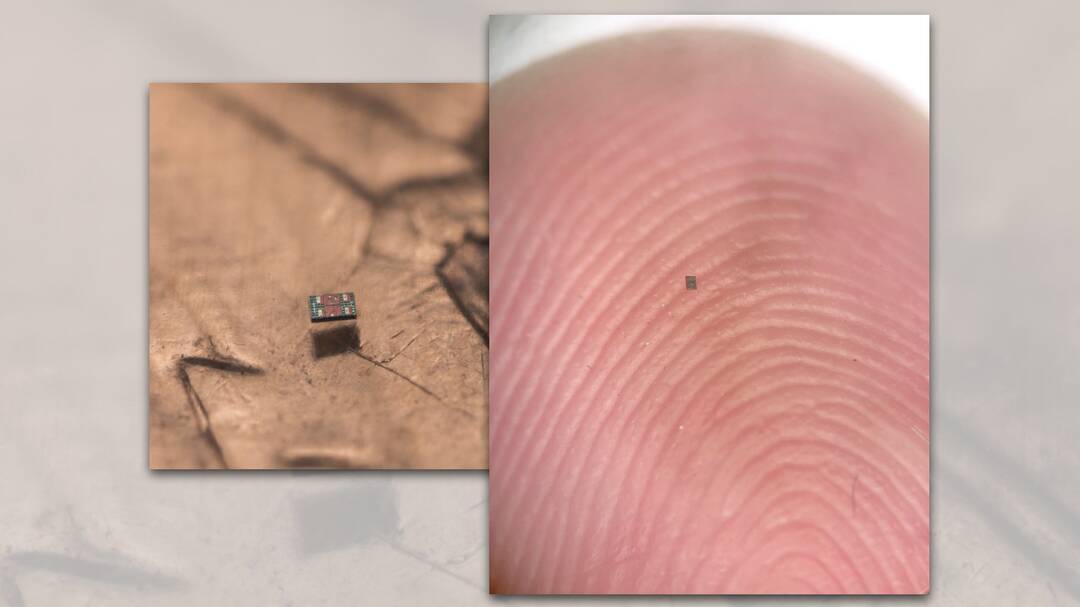
In a groundbreaking achievement, researchers from the Universities of Pennsylvania and Michigan have successfully created the world’s smallest fully programmable and autonomous robots. These microscopic swimming machines are capable of independently sensing and responding to their surroundings, paving the way for a new era of miniaturized robotics. The robots, which are barely visible to the naked eye, measure a mere 0.2 by 0.3 by 0.05 millimeters and are remarkably affordable, with a cost of just one penny per unit.
The development of these tiny robots is a significant milestone in the field of robotics, as it demonstrates the possibility of creating complex machines that can operate at the microscopic level. According to the researchers, the robots are equipped with a range of advanced features, including the ability to swim, sense their environment, and respond to stimuli. This is achieved through the use of sophisticated algorithms and programming, which allow the robots to navigate and interact with their surroundings in a highly autonomous manner.
One of the most impressive aspects of these robots is their ability to sense and respond to their environment. This is made possible through the use of advanced sensors, which allow the robots to detect changes in their surroundings and adjust their behavior accordingly. For example, the robots can detect the presence of light, temperature changes, and even the presence of other robots. This allows them to interact with their environment in a highly dynamic and responsive way, making them potentially useful for a wide range of applications.
The potential uses of these tiny robots are vast and varied. For example, they could be used to explore and interact with environments that are inaccessible to larger robots, such as the human body or other small spaces. They could also be used to perform tasks that require a high degree of precision and accuracy, such as assembly or repair. Additionally, the robots could be used to study and interact with microscopic organisms, such as bacteria or cells, allowing scientists to gain a deeper understanding of these complex systems.
The development of these robots is also significant because of their potential to revolutionize the field of medicine. For example, they could be used to deliver targeted treatments or therapies to specific areas of the body, reducing the risk of side effects and improving treatment outcomes. They could also be used to diagnose and monitor diseases, allowing for earlier and more effective treatment.
The creation of these robots is the result of a collaborative effort between researchers from the Universities of Pennsylvania and Michigan. The team, which includes experts in robotics, engineering, and computer science, used a range of advanced techniques and technologies to design and build the robots. These include 3D printing, which allows for the creation of complex shapes and structures, and advanced programming languages, which enable the robots to interact with their environment in a highly autonomous manner.
The robots are also highly efficient, using a minimal amount of energy to operate. This is achieved through the use of advanced power sources, such as tiny batteries or solar cells, which allow the robots to run for extended periods of time. This makes them potentially useful for applications where energy is limited, such as in space exploration or search and rescue missions.
In addition to their potential uses, the robots are also significant because of their affordability. At a cost of just one penny per unit, they are highly accessible and could potentially be used in a wide range of applications, from education and research to industry and medicine. This could help to democratize access to robotics and artificial intelligence, allowing more people to explore and interact with these technologies.
The researchers have shared pictures of the robots, which provide a glimpse into the intricate design and construction of these tiny machines. The images show the robots in various states of operation, including swimming, sensing, and responding to their environment. They also provide a sense of the scale of the robots, which are barely visible to the naked eye.
In conclusion, the creation of the world’s smallest fully programmable and autonomous robots is a significant achievement that has the potential to revolutionize a wide range of fields, from medicine and engineering to education and research. The robots’ ability to sense and respond to their environment, combined with their affordability and efficiency, make them highly versatile and potentially useful for a wide range of applications. As research and development continue to advance, it will be exciting to see the potential uses and applications of these tiny robots.
News Source: https://www.seas.upenn.edu/stories/penn-and-umich-create-worlds-smallest-programmable-autonomous-robots/
About the Author