Scientists create world’s smallest programmable robots, share pics
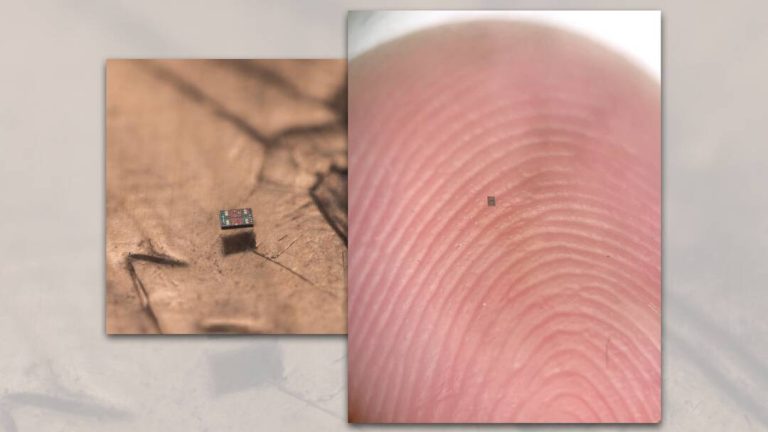
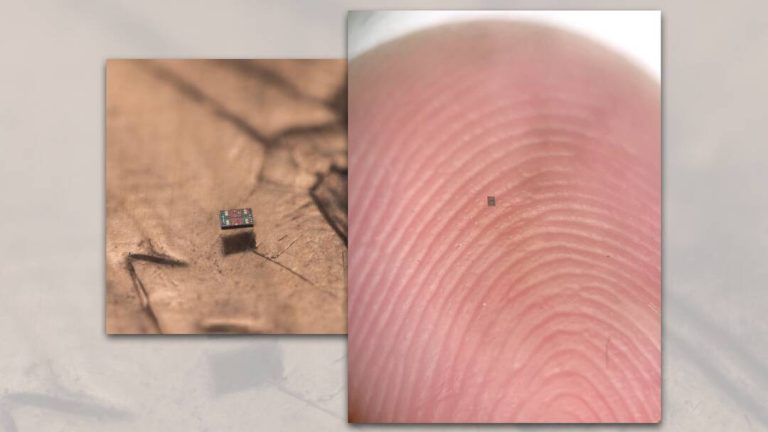
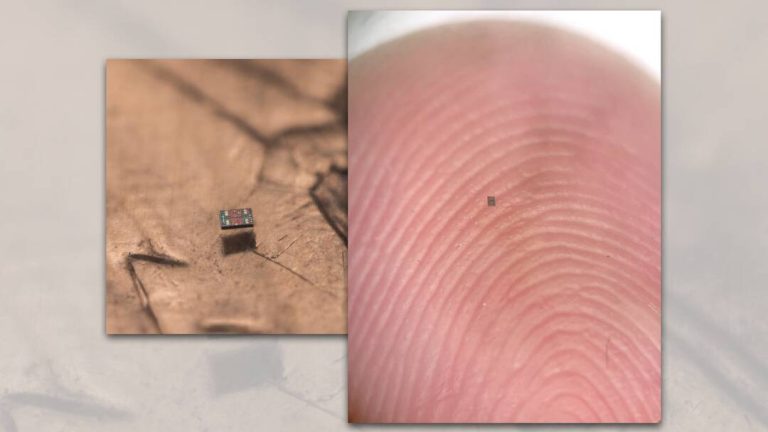
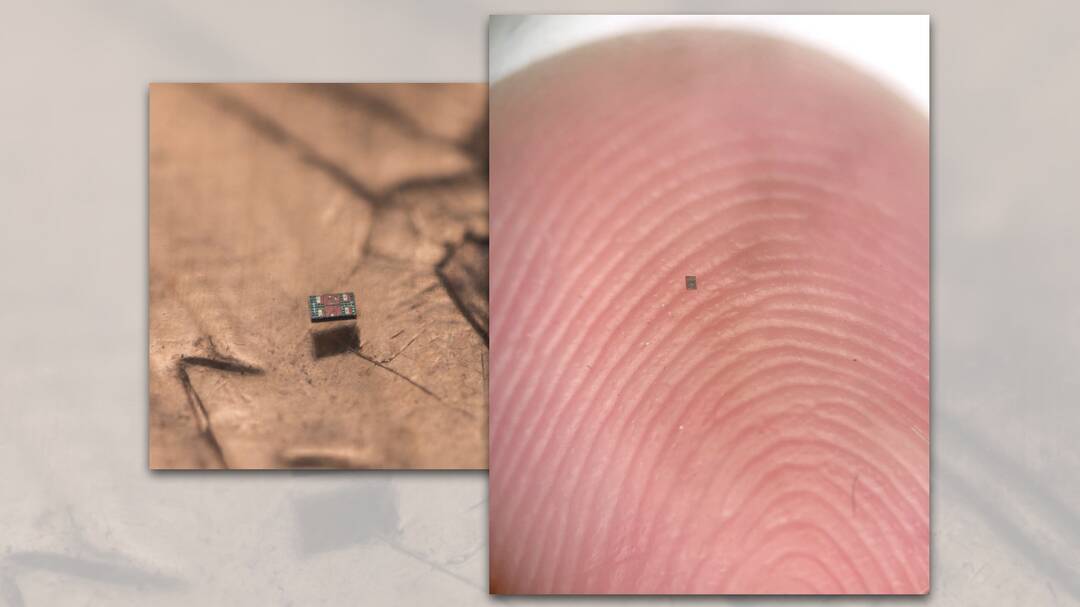
In a groundbreaking achievement, researchers from the Universities of Pennsylvania and Michigan have successfully created the world’s smallest fully programmable and autonomous robots. These microscopic swimming machines are capable of independently sensing and responding to their surroundings, paving the way for a new era of micro-robotics. The robots, which are barely visible to the naked eye, measure a mere 0.2 by 0.3 by 0.05 millimeters, and astonishingly, each unit costs only a penny to produce.
The creation of these tiny robots is a significant breakthrough in the field of robotics, as it demonstrates the possibility of developing autonomous machines that can operate at the microscale. According to the researchers, these robots can be programmed to perform a variety of tasks, such as swimming through fluids, navigating through tight spaces, and even interacting with their environment. The potential applications of these micro-robots are vast, ranging from medical devices and lab-on-a-chip systems to environmental monitoring and search and rescue operations.
One of the key challenges in developing these micro-robots was designing a system that could be both autonomous and programmable. The researchers achieved this by using a novel approach that combines advanced materials and fabrication techniques. The robots are made up of a thin layer of metal, which provides the necessary rigidity and strength, while also allowing for the integration of electronic components. The team also developed a specialized programming language that enables users to control the robots’ movements and behaviors.
The micro-robots are equipped with a range of sensors that allow them to detect and respond to their surroundings. These sensors can detect changes in temperature, pH, and other environmental factors, enabling the robots to adapt to different conditions. The robots are also capable of communicating with each other, allowing them to coordinate their actions and work together to achieve complex tasks.
The potential applications of these micro-robots are vast and varied. In the medical field, they could be used to deliver targeted therapies, such as cancer treatments, or to navigate through the bloodstream to diagnose and treat diseases. In environmental monitoring, they could be used to track water quality, detect pollutants, and monitor climate change. They could also be used in search and rescue operations, navigating through rubble and debris to locate survivors.
The cost-effectiveness of these micro-robots is also a significant advantage. At a cost of just one penny per unit, they are an attractive option for large-scale applications, such as environmental monitoring or medical devices. The low cost also makes them accessible to researchers and developers who may not have the resources to invest in more expensive technologies.
The development of these micro-robots is a testament to the power of interdisciplinary research and collaboration. The team of researchers from the Universities of Pennsylvania and Michigan brought together expertise from a range of fields, including robotics, materials science, and computer science. The collaboration enabled the team to tackle complex challenges and develop innovative solutions that may not have been possible within a single discipline.
In conclusion, the creation of the world’s smallest fully programmable and autonomous robots is a significant achievement that has the potential to revolutionize a range of fields. These microscopic swimming machines are capable of independently sensing and responding to their surroundings, and their potential applications are vast and varied. As research continues to advance in this area, we can expect to see even more innovative and exciting developments in the field of micro-robotics.
To learn more about this groundbreaking research, visit the University of Pennsylvania’s School of Engineering and Applied Science website, where you can find more information and images of these incredible micro-robots.
News source: https://www.seas.upenn.edu/stories/penn-and-umich-create-worlds-smallest-programmable-autonomous-robots/
About the Author