Scientists create world’s smallest programmable robots, share pics
In a groundbreaking achievement, researchers from the Universities of Pennsylvania and Michigan have successfully created the world’s smallest fully programmable and autonomous robots. These microscopic swimming machines are capable of independently sensing and responding to their surroundings, paving the way for a new generation of tiny robots that can perform a wide range of tasks.
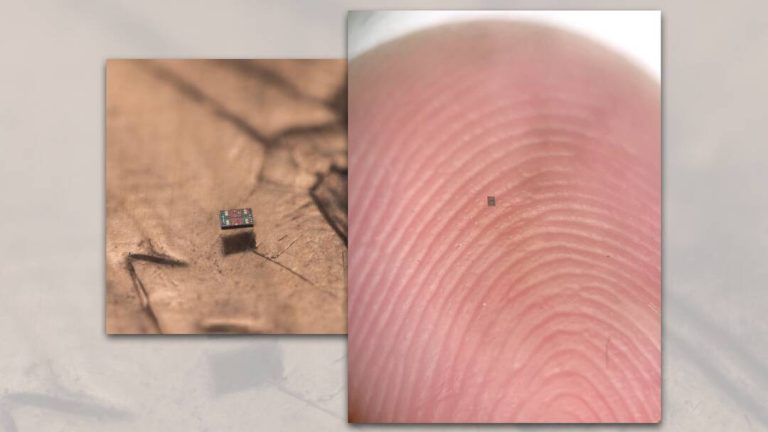
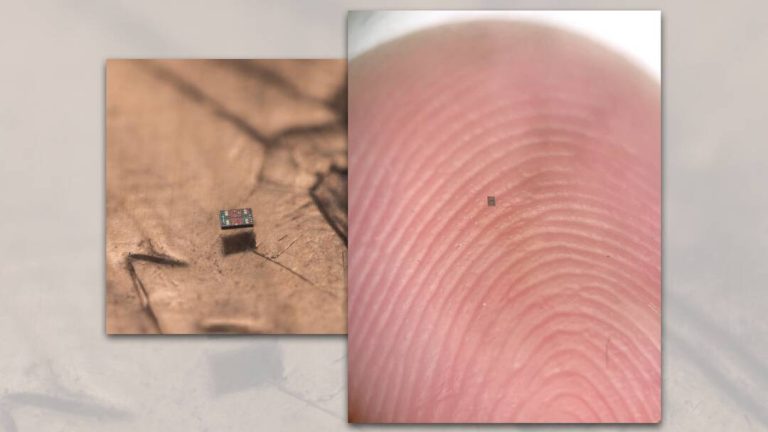
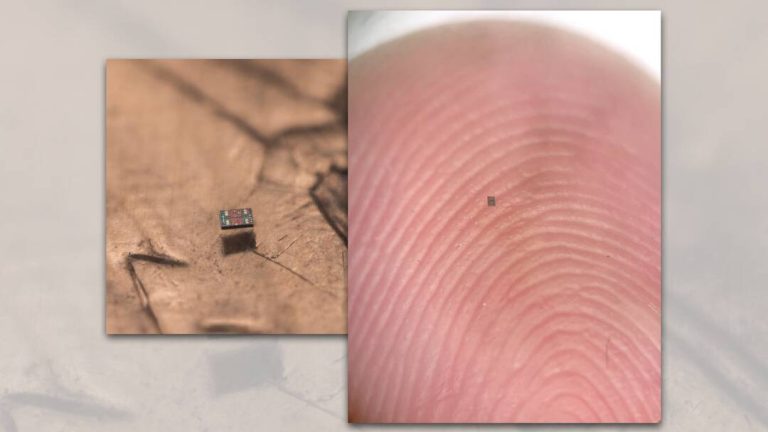
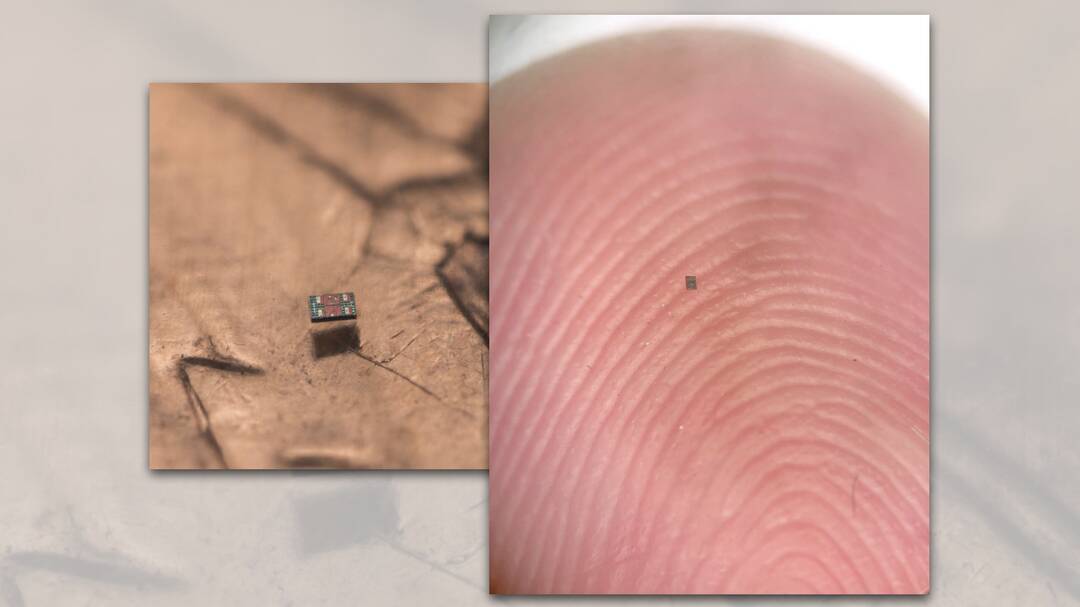
The robot, which measures a mere 0.2 by 0.3 by 0.05 millimeters, is barely visible to the naked eye. Despite its tiny size, the robot is fully programmable and can be controlled using a computer. The researchers have shared pictures of the robot, giving us a glimpse into the incredible world of miniature machines.
According to the researchers, the robot’s small size and programmability make it an ideal candidate for a variety of applications, including medical procedures, environmental monitoring, and search and rescue operations. The robot’s ability to sense and respond to its surroundings allows it to navigate through complex environments and perform tasks with precision and accuracy.
One of the most significant advantages of the robot is its low cost. The researchers estimate that each unit costs only a penny, making it an affordable solution for a wide range of applications. The low cost and small size of the robot also make it an ideal candidate for large-scale deployment, where hundreds or thousands of robots can be used to perform tasks that would be difficult or impossible for humans to accomplish.
The creation of the world’s smallest programmable robot is a significant achievement that demonstrates the power of modern technology. The researchers used advanced manufacturing techniques, including 3D printing and microfabrication, to create the robot’s tiny components. The robot’s programming is based on advanced algorithms that allow it to learn and adapt to its environment.
The potential applications of the robot are vast and varied. In the medical field, the robot could be used to deliver medication or perform surgery on a tiny scale. In environmental monitoring, the robot could be used to track water or air quality, or to detect pollutants in the environment. In search and rescue operations, the robot could be used to navigate through rubble or debris to locate survivors.
The researchers are excited about the potential of their creation and are already exploring new applications for the robot. They believe that the robot could be used in a wide range of fields, from agriculture to space exploration.
The creation of the world’s smallest programmable robot is a significant achievement that demonstrates the power of human ingenuity and creativity. As technology continues to advance, we can expect to see even more incredible innovations in the field of robotics and artificial intelligence.
In conclusion, the world’s smallest programmable robot is a remarkable achievement that has the potential to revolutionize a wide range of fields. Its small size, programmability, and low cost make it an ideal candidate for a variety of applications, from medical procedures to environmental monitoring. As researchers continue to explore new applications for the robot, we can expect to see even more exciting innovations in the field of robotics and artificial intelligence.
The researchers have shared pictures of the robot, giving us a glimpse into the incredible world of miniature machines. The pictures show the robot’s tiny components and its ability to navigate through complex environments.
The creation of the world’s smallest programmable robot is a significant achievement that demonstrates the power of modern technology. The researchers used advanced manufacturing techniques, including 3D printing and microfabrication, to create the robot’s tiny components. The robot’s programming is based on advanced algorithms that allow it to learn and adapt to its environment.
As we look to the future, it is exciting to think about the potential applications of the world’s smallest programmable robot. The robot’s small size and programmability make it an ideal candidate for a wide range of tasks, from medical procedures to environmental monitoring. The low cost and small size of the robot also make it an ideal candidate for large-scale deployment, where hundreds or thousands of robots can be used to perform tasks that would be difficult or impossible for humans to accomplish.
The world’s smallest programmable robot is a remarkable achievement that has the potential to revolutionize a wide range of fields. Its small size, programmability, and low cost make it an ideal candidate for a variety of applications, from medical procedures to environmental monitoring. As researchers continue to explore new applications for the robot, we can expect to see even more exciting innovations in the field of robotics and artificial intelligence.
For more information about the world’s smallest programmable robot, visit the University of Pennsylvania’s website at https://www.seas.upenn.edu/stories/penn-and-umich-create-worlds-smallest-programmable-autonomous-robots/.
News Source: https://www.seas.upenn.edu/stories/penn-and-umich-create-worlds-smallest-programmable-autonomous-robots/
About the Author