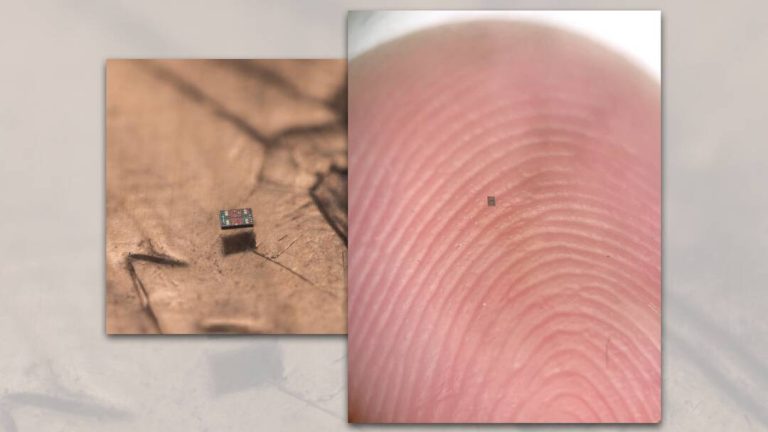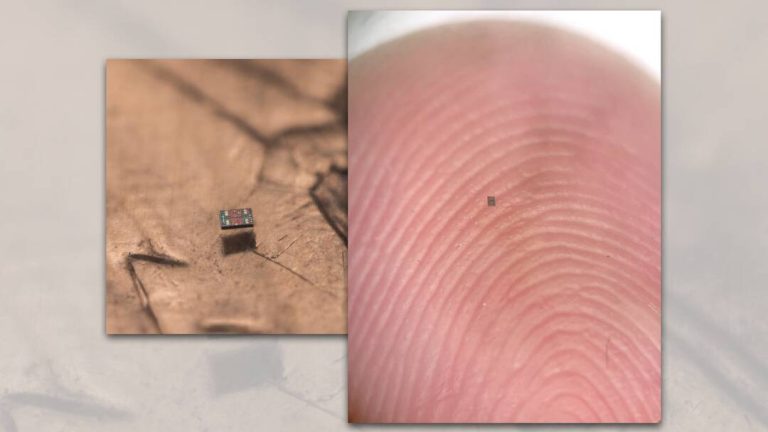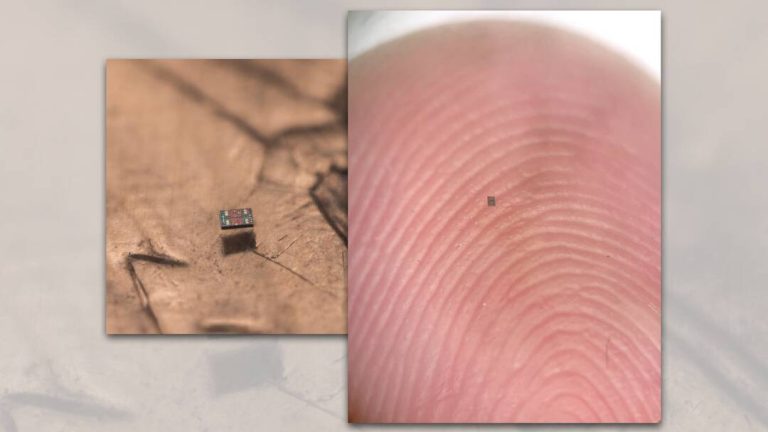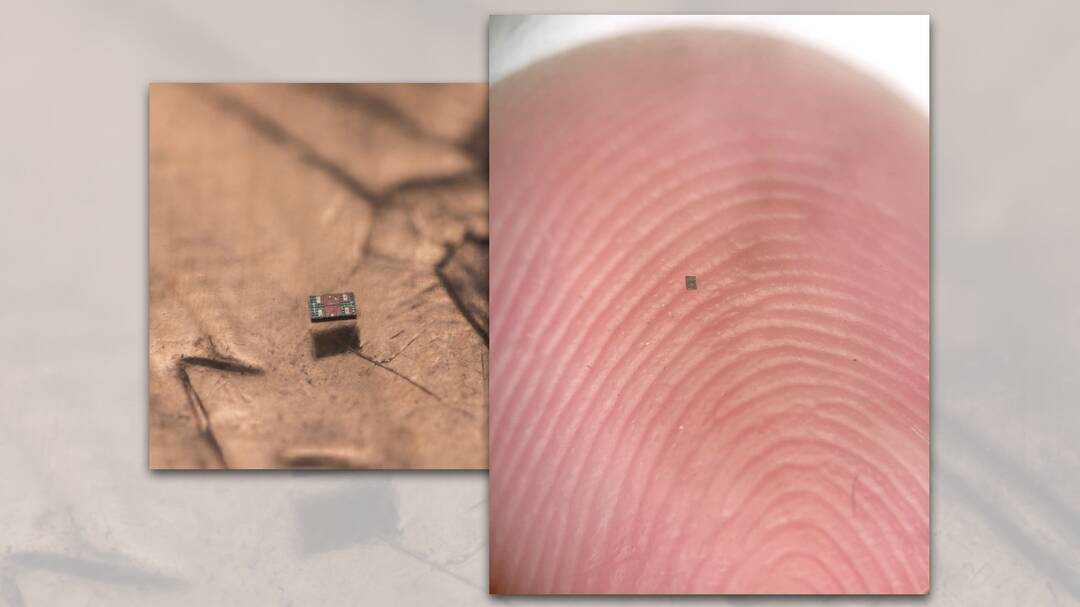
Scientists create world’s smallest programmable robots, share pics
In a groundbreaking achievement, researchers from the Universities of Pennsylvania and Michigan have successfully created the world’s smallest fully programmable and autonomous robots. These microscopic swimming machines are capable of independently sensing and responding to their surroundings, marking a significant milestone in the field of robotics and artificial intelligence.
Measuring a mere 0.2 by 0.3 by 0.05 millimeters, these robots are barely visible to the naked eye. Despite their tiny size, they are packed with advanced technology that enables them to navigate and interact with their environment. The robots are equipped with a sophisticated system that allows them to detect and respond to various stimuli, such as changes in temperature, light, or chemical composition.
One of the most impressive aspects of these robots is their ability to be fully programmable. This means that researchers can design and implement specific tasks and behaviors, allowing the robots to perform a wide range of functions. From environmental monitoring to medical applications, the potential uses of these tiny robots are vast and exciting.
The development of these microscopic robots is the result of a collaborative effort between the Universities of Pennsylvania and Michigan. The research team, consisting of experts in robotics, artificial intelligence, and materials science, worked together to design and fabricate the robots using advanced techniques such as 3D printing and microassembly.
The cost of producing these robots is also remarkably low, with each unit costing approximately one penny. This makes them an attractive option for large-scale applications, such as environmental monitoring or search and rescue operations.
The robots’ ability to sense and respond to their surroundings is made possible by a sophisticated system of sensors and actuators. The sensors detect changes in the environment, such as changes in temperature or light, and send signals to the actuators, which then respond by moving the robot or changing its behavior.
The potential applications of these robots are vast and varied. For example, they could be used to monitor water quality, detect toxic chemicals, or even deliver targeted medication to specific areas of the body. They could also be used in search and rescue operations, navigating through rubble or debris to locate survivors.
The development of these microscopic robots also raises interesting questions about the future of robotics and artificial intelligence. As robots become smaller and more advanced, they will be able to interact with their environment in increasingly sophisticated ways. This could lead to new applications and uses that we have not yet imagined.
In addition to their potential practical applications, these robots also have the potential to advance our understanding of the natural world. By studying the behavior of these robots in different environments, researchers can gain insights into the complex interactions between living organisms and their surroundings.
The researchers behind this breakthrough are excited about the potential of their creation. “These microscopic swimming machines can independently sense and respond to their surroundings,” they stated. “This is a major step forward in the development of autonomous robots, and we are eager to explore the many potential applications of this technology.”
As research in this field continues to advance, we can expect to see even more impressive developments in the world of robotics and artificial intelligence. The creation of the world’s smallest fully programmable and autonomous robots is a significant milestone, and it will be exciting to see where this technology takes us in the future.
In conclusion, the development of the world’s smallest fully programmable and autonomous robots is a groundbreaking achievement that has the potential to revolutionize a wide range of fields. From environmental monitoring to medical applications, these tiny robots are capable of interacting with their environment in sophisticated ways, and their potential uses are vast and exciting. As research in this field continues to advance, we can expect to see even more impressive developments in the world of robotics and artificial intelligence.
News Source: https://www.seas.upenn.edu/stories/penn-and-umich-create-worlds-smallest-programmable-autonomous-robots/
About the Author