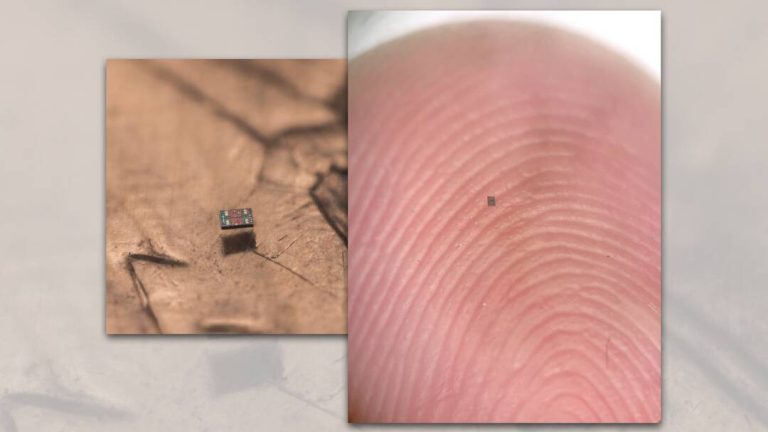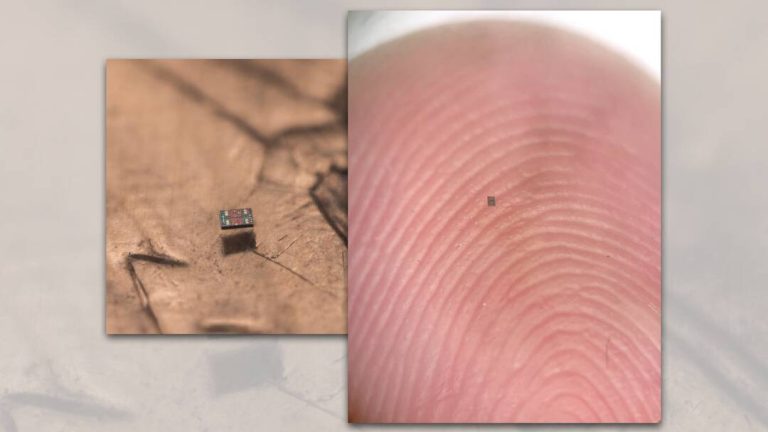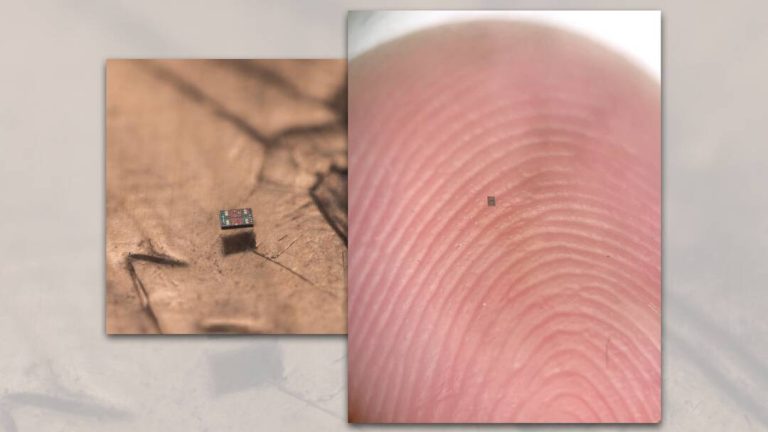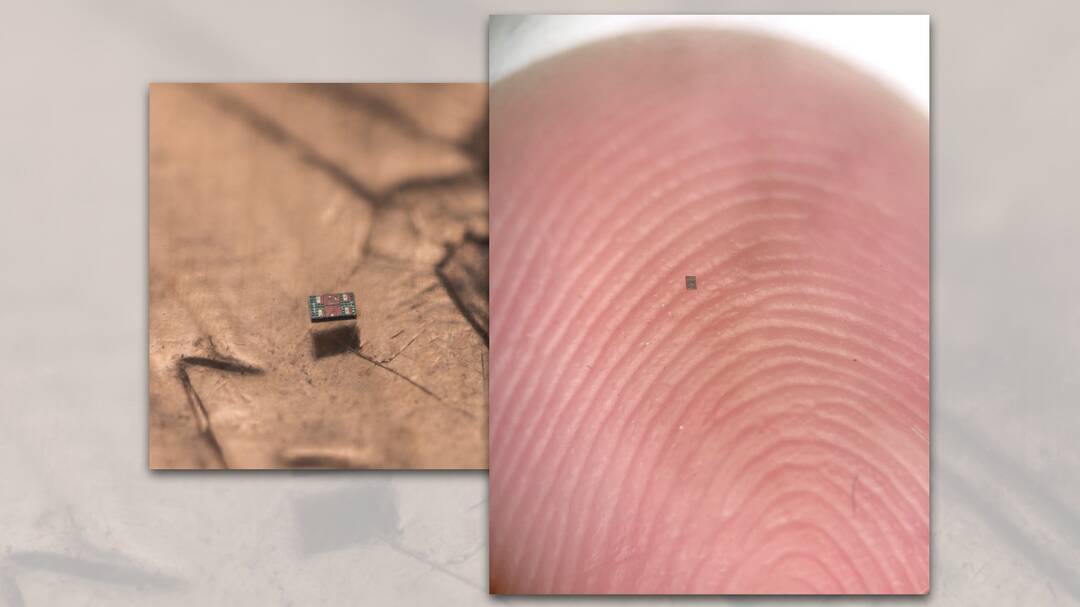
Scientists create world’s smallest programmable robots, share pics
In a groundbreaking achievement, researchers from the Universities of Pennsylvania and Michigan have successfully created the world’s smallest fully programmable and autonomous robots. These microscopic swimming machines are capable of independently sensing and responding to their surroundings, paving the way for a new era of innovation in the field of robotics.
The robot, which measures a mere 0.2 by 0.3 by 0.05 millimeters, is barely visible to the naked eye. Despite its tiny size, this miniature machine is a marvel of modern engineering, with a price tag of just one penny per unit. The researchers behind this project have stated that these robots can be used for a wide range of applications, from environmental monitoring to medical research.
The development of these tiny robots is a significant breakthrough in the field of robotics, as it allows for the creation of machines that can operate at the microscale. This could have major implications for fields such as medicine, where tiny robots could be used to deliver drugs or perform surgeries. The robots could also be used to monitor environmental pollutants, track the movement of cells, or even explore the human body.
One of the most significant advantages of these robots is their ability to sense and respond to their surroundings. This is made possible by a sophisticated system of sensors and algorithms that allow the robots to navigate and interact with their environment. The robots can be programmed to perform a wide range of tasks, from simple movements to complex behaviors.
The researchers used a novel manufacturing technique to create the robots, which involves using a combination of 3D printing and microfabrication. This technique allows for the creation of complex structures with high precision, making it possible to build robots at the microscale.
The robots are powered by a tiny battery that is integrated into the device, allowing them to operate for extended periods of time. The battery is charged using a wireless charging system, which eliminates the need for wires or other external power sources.
The potential applications of these robots are vast and varied. For example, they could be used to monitor water quality, track the movement of cells, or even deliver drugs to specific targets within the body. The robots could also be used to explore the human body, allowing for the creation of detailed maps of the body’s internal structures.
The development of these tiny robots is also expected to have major implications for the field of robotics as a whole. The creation of machines that can operate at the microscale could lead to the development of new types of robots that are capable of performing tasks that are currently impossible.
The researchers behind this project are excited about the potential of these robots to revolutionize a wide range of fields. “These microscopic swimming machines can independently sense and respond to their surroundings,” they stated. “We believe that this technology has the potential to make a major impact in a wide range of areas, from medicine to environmental monitoring.”
The development of these tiny robots is a testament to the power of human ingenuity and the rapid progress that is being made in the field of robotics. As researchers continue to push the boundaries of what is possible, we can expect to see even more innovative and groundbreaking technologies in the future.
In conclusion, the creation of the world’s smallest fully programmable and autonomous robots is a major breakthrough that has the potential to revolutionize a wide range of fields. With their tiny size, sophisticated sensors, and advanced algorithms, these robots are capable of performing tasks that were previously impossible. As researchers continue to develop and refine this technology, we can expect to see major advances in fields such as medicine, environmental monitoring, and robotics.
For more information on this groundbreaking project, please visit the University of Pennsylvania’s website, where you can find detailed information and images of the robots.
News Source: https://www.seas.upenn.edu/stories/penn-and-umich-create-worlds-smallest-programmable-autonomous-robots/
About the Author