Scientists create world’s smallest programmable robots, share pics
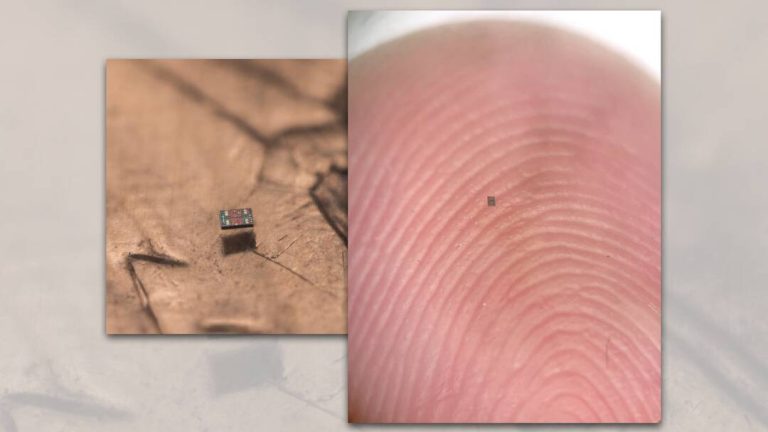
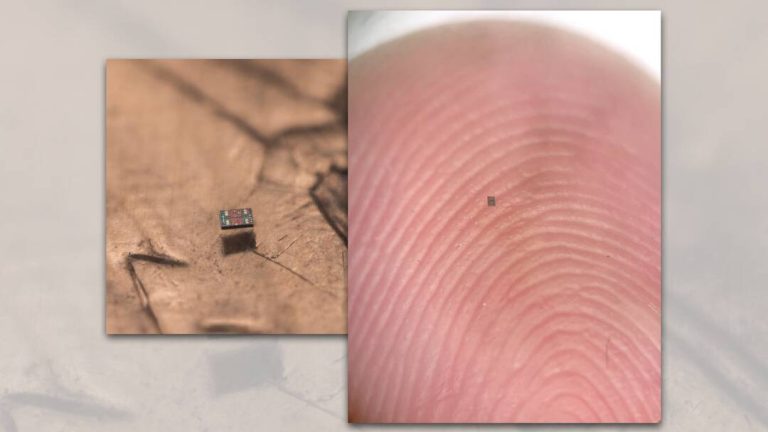
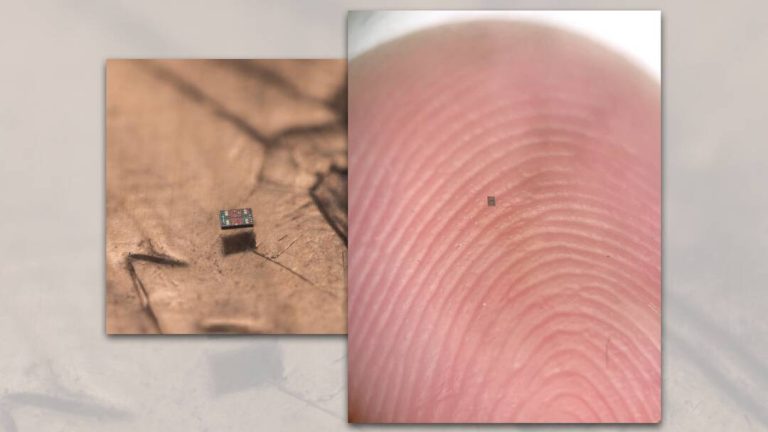
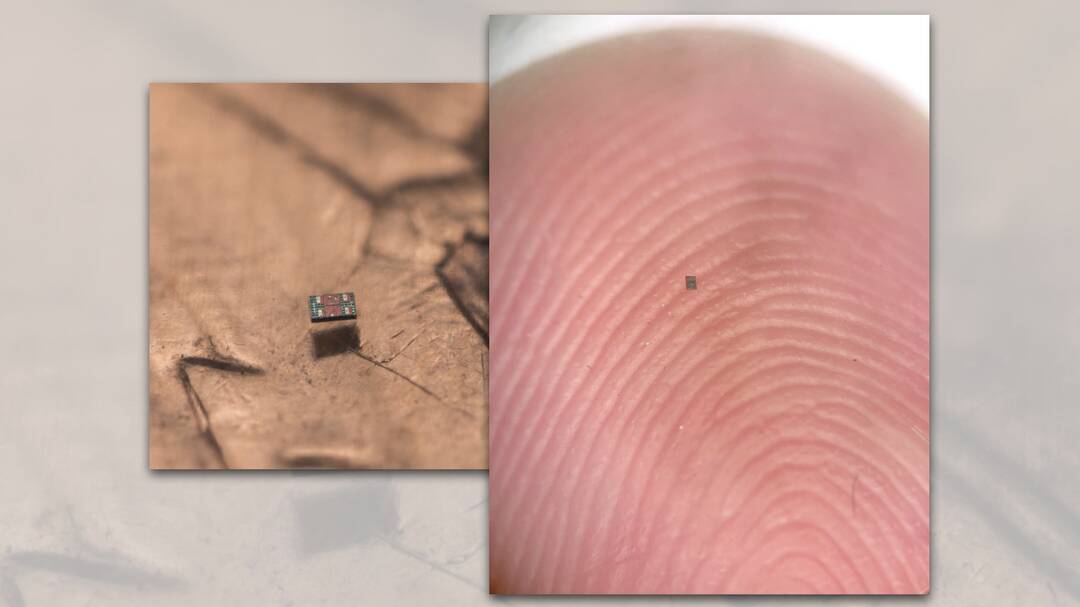
In a groundbreaking achievement, researchers from the Universities of Pennsylvania and Michigan have successfully created the world’s smallest fully programmable and autonomous robots. These microscopic swimming machines are capable of independently sensing and responding to their surroundings, marking a significant milestone in the field of robotics. The robots, which are barely visible to the naked eye, measure a mere 0.2 by 0.3 by 0.05 millimeters and can be produced at a cost of just one penny per unit.
The development of these tiny robots is a testament to the ingenuity and innovative spirit of the researchers involved. By leveraging cutting-edge technologies and techniques, they have been able to design and build machines that can operate at the microscopic level, opening up new possibilities for a wide range of applications. From medical diagnostics and treatment to environmental monitoring and exploration, the potential uses for these tiny robots are vast and varied.
One of the key features of these robots is their ability to sense and respond to their surroundings. This is made possible by the use of advanced sensors and programming algorithms that allow the robots to navigate and interact with their environment. The robots are also capable of communicating with each other, enabling them to work together to achieve complex tasks and goals.
The creation of these microscopic robots is the result of a collaborative effort between researchers from the Universities of Pennsylvania and Michigan. The team, which includes experts in robotics, engineering, and computer science, has been working together to develop the technologies and techniques needed to design and build these tiny machines.
The robots are made up of a combination of materials, including metals and polymers, which are carefully selected and assembled to create the desired shape and structure. The manufacturing process involves the use of advanced techniques such as 3D printing and lithography, which allow for the creation of complex shapes and patterns at the microscopic level.
The potential applications for these tiny robots are numerous and varied. In the field of medicine, for example, they could be used to diagnose and treat diseases at the cellular level. They could also be used to deliver targeted therapies and medications, reducing the risk of side effects and improving treatment outcomes.
In addition to their potential medical applications, these robots could also be used in environmental monitoring and exploration. They could be used to track and monitor water and air quality, for example, or to explore and map out new environments.
The cost of producing these robots is also a significant factor, with each unit costing just one penny. This makes them an attractive option for a wide range of applications, from consumer products to industrial and commercial uses.
The researchers behind this project have shared pictures of the robots, giving us a glimpse into the fascinating world of microscopic machinery. The images show the robots in various stages of development, from the initial design and prototyping phase to the final assembled product.
In conclusion, the creation of the world’s smallest fully programmable and autonomous robots is a significant achievement that marks a major milestone in the field of robotics. The potential applications for these tiny machines are vast and varied, and their development is a testament to the ingenuity and innovative spirit of the researchers involved. As we continue to explore and develop this technology, it will be exciting to see the new and innovative ways in which these robots can be used to improve our lives and our world.
News Source: https://www.seas.upenn.edu/stories/penn-and-umich-create-worlds-smallest-programmable-autonomous-robots/
About the Author