Scientists create world’s smallest programmable robots, share pics
In a groundbreaking achievement, researchers from the Universities of Pennsylvania and Michigan have successfully created the world’s smallest fully programmable and autonomous robots. These microscopic swimming machines are capable of independently sensing and responding to their surroundings, paving the way for potential breakthroughs in various fields such as medicine, environmental monitoring, and more.
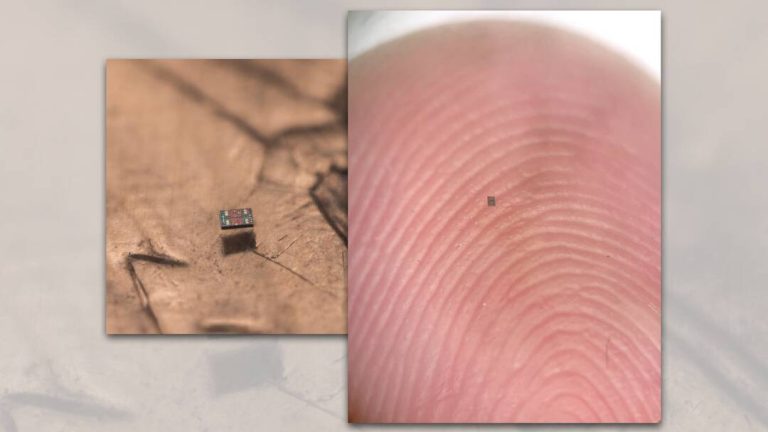
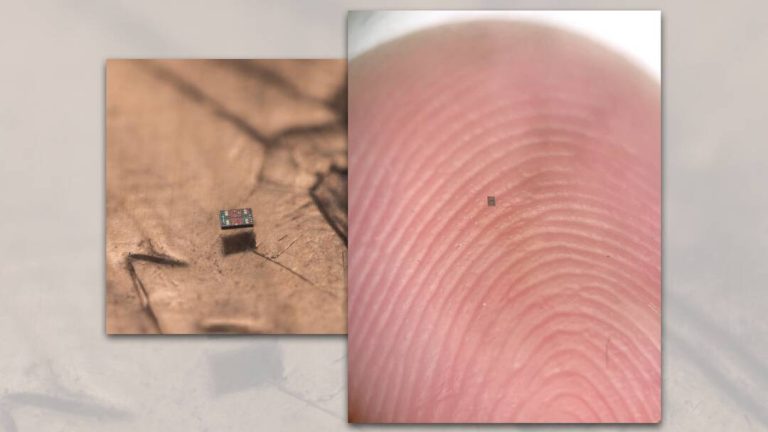
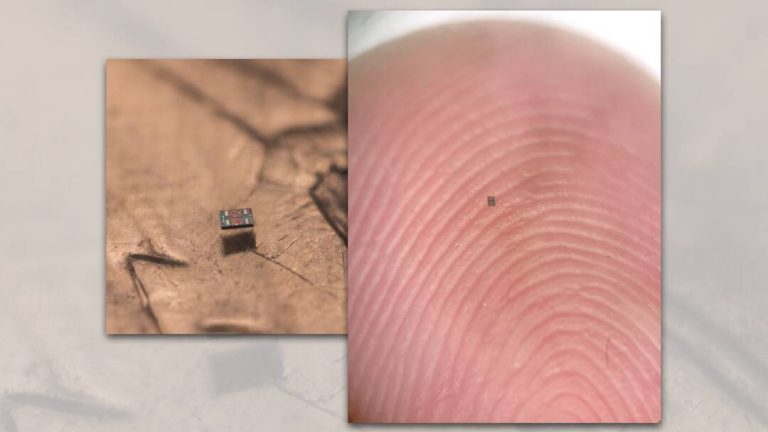
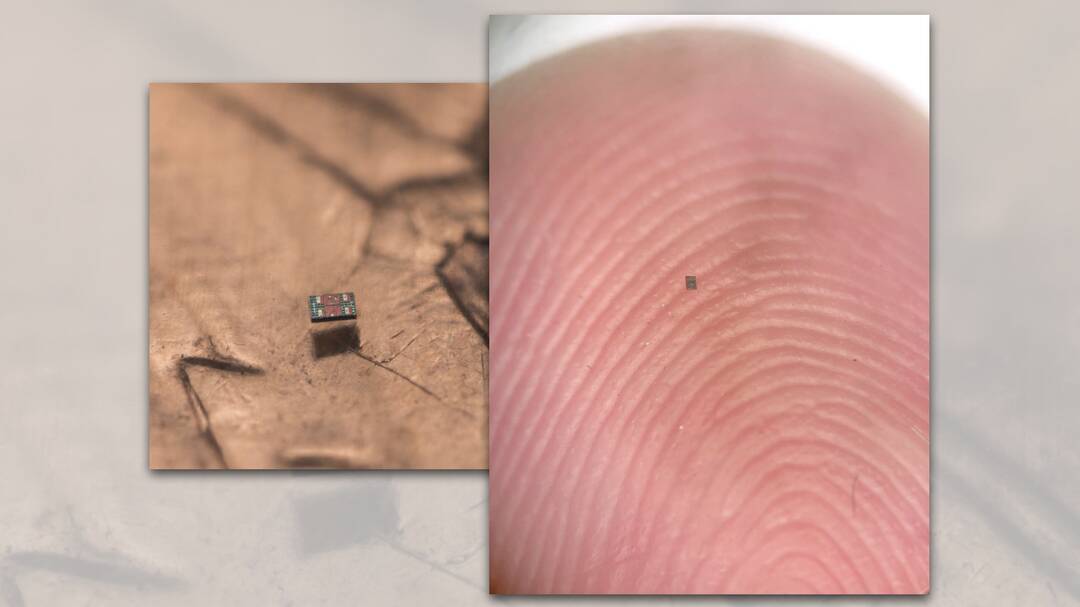
The robot, which measures a mere 0.2 by 0.3 by 0.05 millimeters, is barely visible to the naked eye. Despite its incredibly small size, the robot is fully programmable and can be controlled to perform a variety of tasks. The researchers behind this innovative project have stated that these microscopic machines can “independently sense and respond to their surroundings,” making them a significant step forward in the field of robotics.
One of the most impressive aspects of these tiny robots is their cost. According to the researchers, each unit costs only a penny, making them an extremely affordable and accessible technology. This affordability, combined with their programmability and autonomy, makes them an exciting prospect for a wide range of applications.
The potential uses for these miniature robots are vast and varied. In the field of medicine, they could be used to deliver targeted treatments or to navigate through the bloodstream to diagnose and treat diseases. In environmental monitoring, they could be used to track water or air quality, providing real-time data on pollution levels and other factors. They could even be used in search and rescue missions, navigating through rubble or debris to locate survivors.
The creation of these tiny robots is a testament to the ingenuity and innovative spirit of the researchers involved. By pushing the boundaries of what is possible with robotics, they are opening up new avenues for exploration and discovery. As technology continues to advance and improve, it will be exciting to see the potential applications and uses for these miniature machines.
The researchers have shared pictures of the robots, giving us a glimpse into the incredible detail and complexity of these tiny machines. The images show the robots in various stages of development, from their initial design to their final assembly. They also show the robots in action, navigating through fluids and responding to their surroundings.
The development of these robots is a significant milestone in the field of robotics, and it will be exciting to see where this technology takes us in the future. As we continue to push the boundaries of what is possible with robotics, we can expect to see even more innovative and groundbreaking developments in the years to come.
In conclusion, the creation of the world’s smallest fully programmable and autonomous robots is a remarkable achievement that has the potential to revolutionize a wide range of fields. With their tiny size, programmability, and affordability, these robots are an exciting prospect for the future of technology. As we look to the future, it will be exciting to see the potential applications and uses for these miniature machines, and how they will continue to shape and improve our world.
About the Author