Scientists create world’s smallest programmable robots, share pics
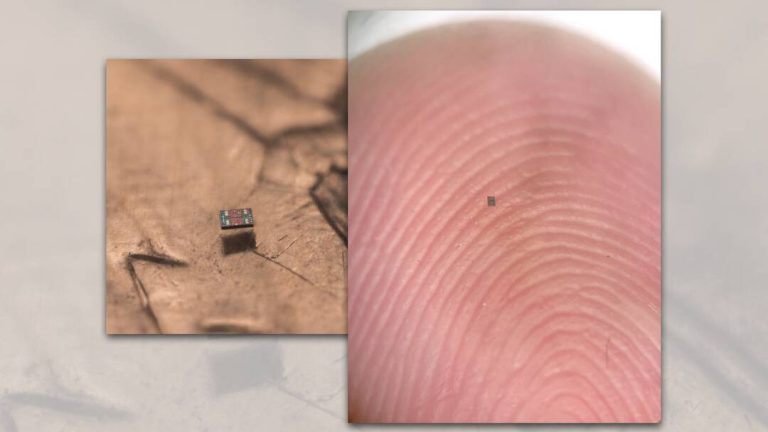
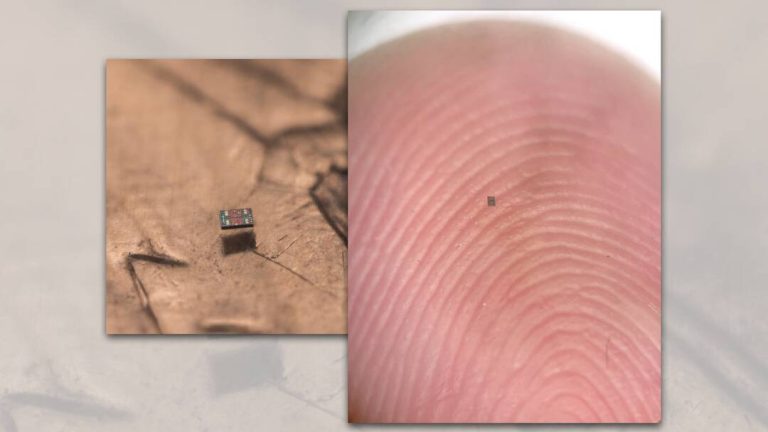
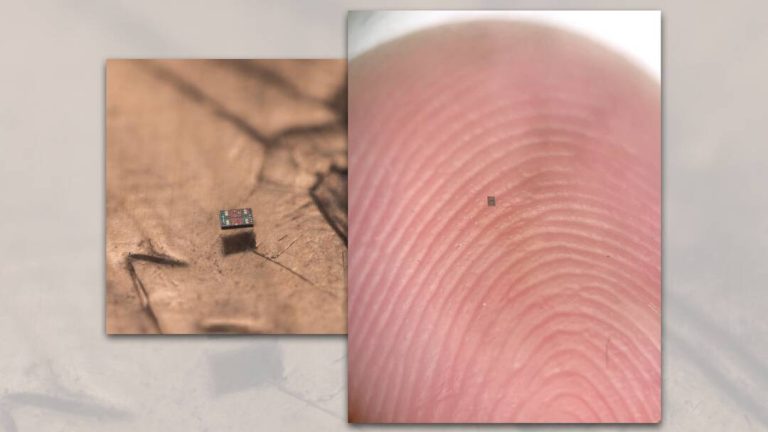
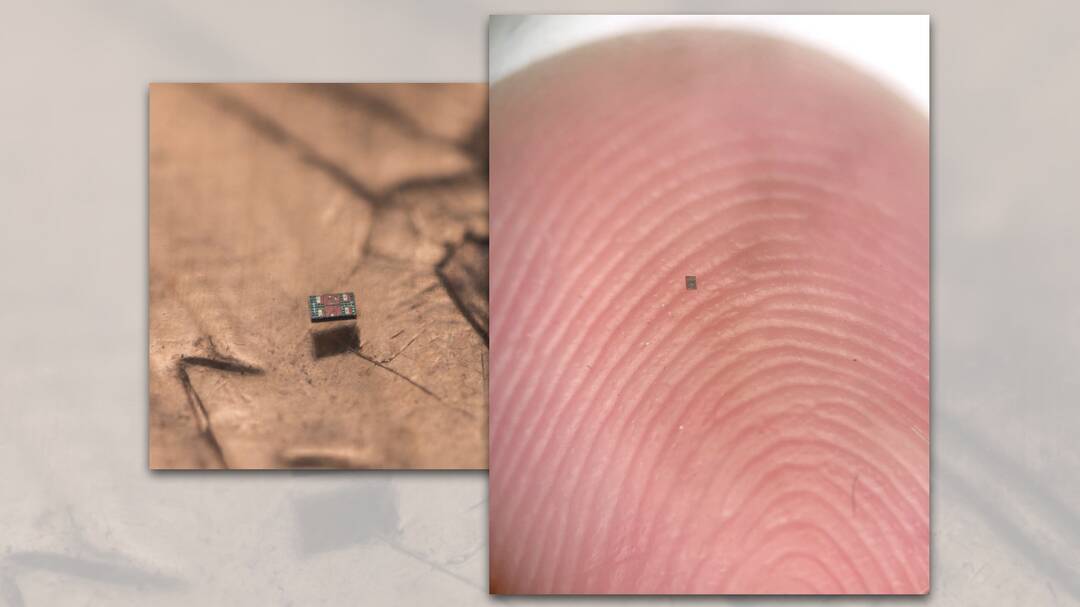
In a groundbreaking achievement, researchers from the Universities of Pennsylvania and Michigan have successfully created the world’s smallest fully programmable and autonomous robots. These microscopic machines are capable of independently sensing and responding to their surroundings, paving the way for a new era in robotics and artificial intelligence. The robots, which are barely visible to the naked eye, measure a mere 0.2 by 0.3 by 0.05 millimeters in size and can be produced at a cost of just one penny per unit.
The development of these tiny robots is a significant milestone in the field of robotics, as it demonstrates the ability to create complex machines that can operate independently at a microscopic scale. According to the researchers, these robots can be programmed to perform a variety of tasks, from swimming through fluids to navigating through tight spaces. The potential applications of these robots are vast, ranging from medical devices to environmental monitoring systems.
One of the most impressive features of these robots is their ability to sense and respond to their surroundings. Equipped with tiny sensors and actuators, they can detect changes in their environment and adjust their behavior accordingly. This allows them to navigate through complex spaces and interact with their surroundings in a highly sophisticated way.
The researchers behind this achievement have shared pictures of the robots, which are truly remarkable. The images show the tiny machines swimming through fluids and navigating through narrow channels, demonstrating their impressive agility and maneuverability. The robots are powered by a combination of magnetic fields and chemical reactions, which provide them with the energy they need to operate.
The development of these robots is the result of a collaboration between researchers from the Universities of Pennsylvania and Michigan. The team, led by professors from the two universities, used advanced manufacturing techniques to create the tiny machines. The process involved depositing layers of material onto a substrate, followed by etching and assembly of the final product.
The cost of producing these robots is remarkably low, at just one penny per unit. This makes them highly accessible for a wide range of applications, from research and development to commercial use. The low cost also opens up new possibilities for the use of robots in areas where they were previously too expensive or impractical.
The potential applications of these robots are vast and varied. In the medical field, they could be used to deliver drugs or perform surgery at the microscopic level. In environmental monitoring, they could be used to track pollution or detect changes in water quality. They could also be used in search and rescue operations, navigating through rubble or debris to locate survivors.
The development of these tiny robots also raises important questions about the future of robotics and artificial intelligence. As machines become smaller and more sophisticated, they will be able to interact with their surroundings in increasingly complex ways. This will require new approaches to programming and control, as well as new safety protocols to ensure that the robots operate safely and efficiently.
In conclusion, the creation of the world’s smallest fully programmable and autonomous robots is a significant achievement that has the potential to revolutionize a wide range of fields. From medical devices to environmental monitoring systems, these tiny machines could have a major impact on our daily lives. With their impressive agility and maneuverability, they are capable of operating in complex environments and interacting with their surroundings in highly sophisticated ways. As research and development continue to advance, we can expect to see even more impressive achievements in the field of robotics and artificial intelligence.
The researchers behind this achievement have shared their findings and images of the robots, giving us a glimpse into a future where tiny machines can perform complex tasks with ease. As we look to the future, it will be exciting to see how these robots are used and how they will continue to evolve and improve.
News Source: https://www.seas.upenn.edu/stories/penn-and-umich-create-worlds-smallest-programmable-autonomous-robots/
About the Author