Scientists create world’s smallest programmable robots, share pics
In a groundbreaking achievement, researchers from the Universities of Pennsylvania and Michigan have successfully created the world’s smallest fully programmable and autonomous robots. These microscopic machines, which are barely visible to the naked eye, can independently sense and respond to their surroundings, paving the way for a new era in robotics and artificial intelligence.
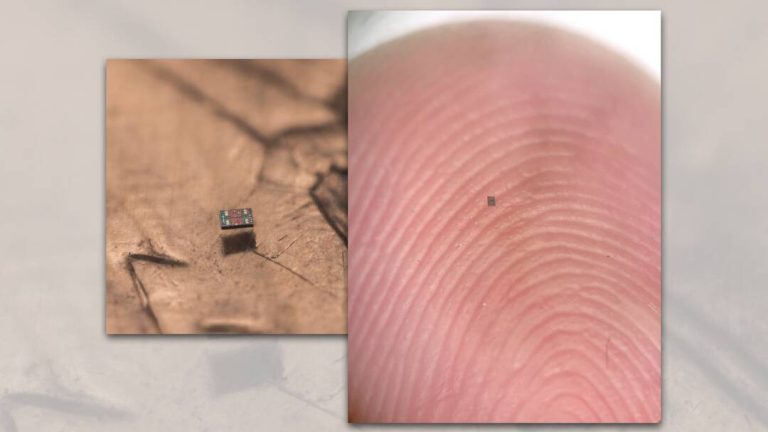
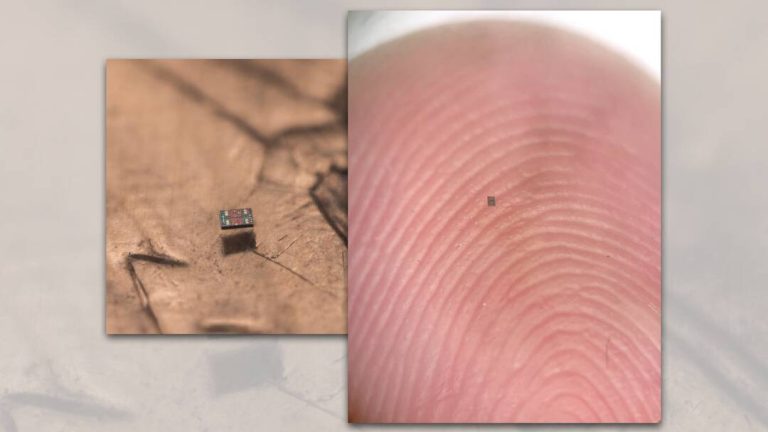
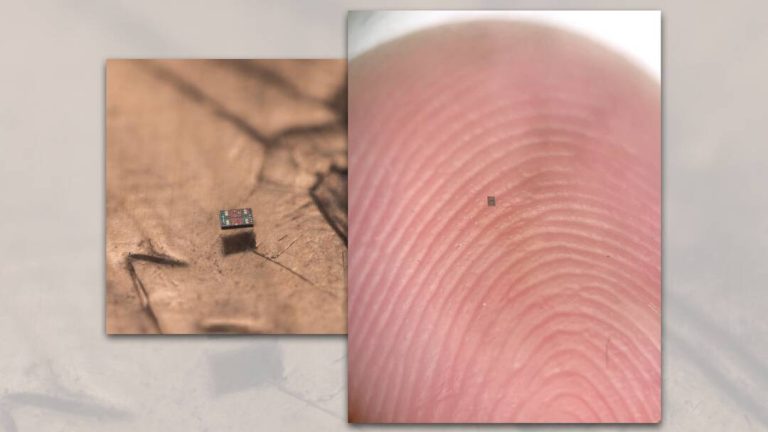
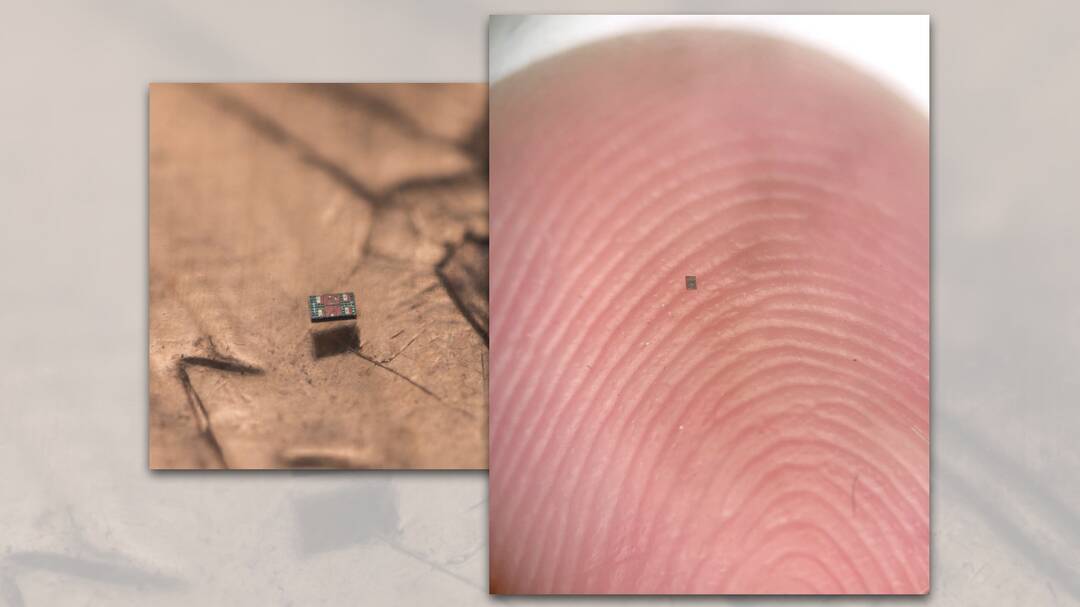
Measuring just 0.2 by 0.3 by 0.05 millimeters, these tiny robots are smaller than a grain of salt and can be manufactured at a cost of just one penny per unit. Despite their minuscule size, they are capable of performing complex tasks and can be programmed to carry out specific functions.
According to the researchers, these microscopic swimming machines use a combination of artificial intelligence and machine learning algorithms to navigate their environment and make decisions in real-time. They are equipped with sensors that allow them to detect and respond to changes in their surroundings, such as temperature, light, and chemical gradients.
The creation of these tiny robots is a significant breakthrough in the field of robotics, as it enables the development of autonomous systems that can operate at the microscale. This could have a wide range of applications, from biomedical research and healthcare to environmental monitoring and surveillance.
One of the key challenges in creating these tiny robots was developing a manufacturing process that could produce them at such a small scale. The researchers used a technique called “microassembly,” which involves assembling individual components, such as sensors, actuators, and control systems, into a single, functional device.
The robots are powered by a tiny electric motor that is fueled by a battery that is also integrated into the device. The motor uses a unique propulsion system that allows the robot to move through fluids, such as water or blood, with ease.
The researchers have already demonstrated the capabilities of these tiny robots in a series of experiments. In one example, they programmed a group of robots to swim through a fluid and collect data on the chemical composition of their environment. The robots were able to navigate through the fluid and collect data with high accuracy, demonstrating their potential for use in biomedical research and environmental monitoring.
In another experiment, the researchers programmed a robot to respond to changes in temperature. The robot was able to detect changes in temperature and adjust its behavior accordingly, demonstrating its ability to sense and respond to its surroundings.
The creation of these tiny robots has significant implications for a wide range of fields, from healthcare and biomedicine to environmental monitoring and surveillance. They could be used to develop new medical devices, such as implantable sensors or microscale surgical tools, or to monitor environmental pollutants and track climate change.
The researchers are already exploring the potential applications of these tiny robots and are working to develop new technologies that can be used in conjunction with them. They are also working to improve the manufacturing process, with the goal of reducing the cost and increasing the efficiency of production.
In conclusion, the creation of the world’s smallest fully programmable and autonomous robots is a significant breakthrough in the field of robotics and artificial intelligence. These tiny machines have the potential to revolutionize a wide range of fields, from healthcare and biomedicine to environmental monitoring and surveillance. With their ability to sense and respond to their surroundings, they could be used to develop new medical devices, monitor environmental pollutants, and track climate change.
As research in this field continues to advance, we can expect to see even more innovative applications of these tiny robots. With their low cost and high efficiency, they have the potential to be used in a wide range of applications, from consumer products to industrial systems.
Pictures of the robots can be found on the University of Pennsylvania’s website, showcasing their tiny size and complex design.
News Source: https://www.seas.upenn.edu/stories/penn-and-umich-create-worlds-smallest-programmable-autonomous-robots/
About the Author