Safer Method Boosts Gas Capture for Clean Energy
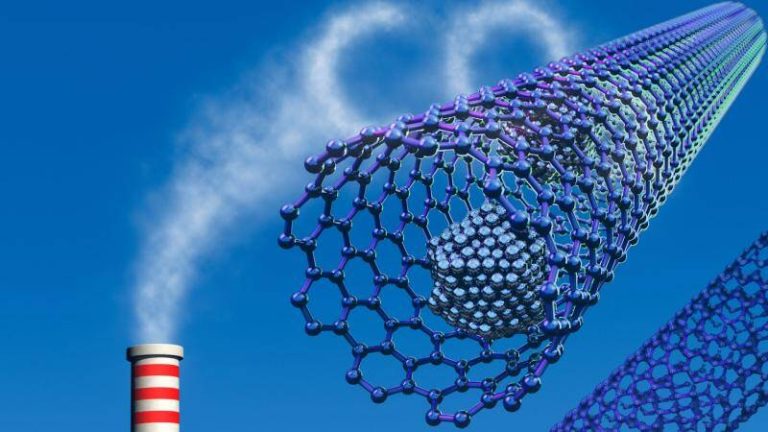
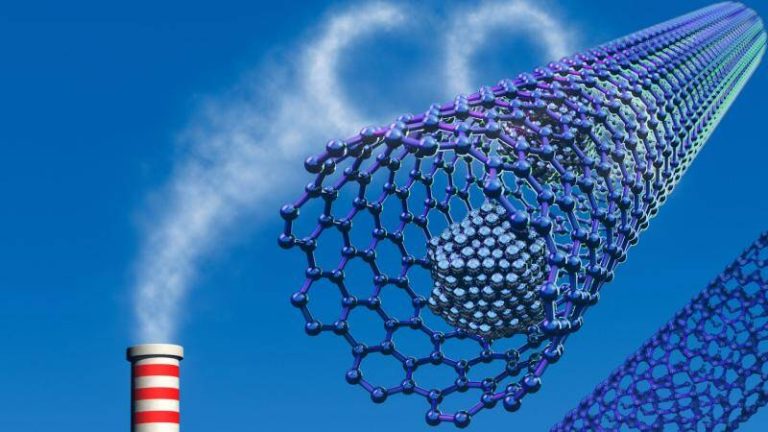
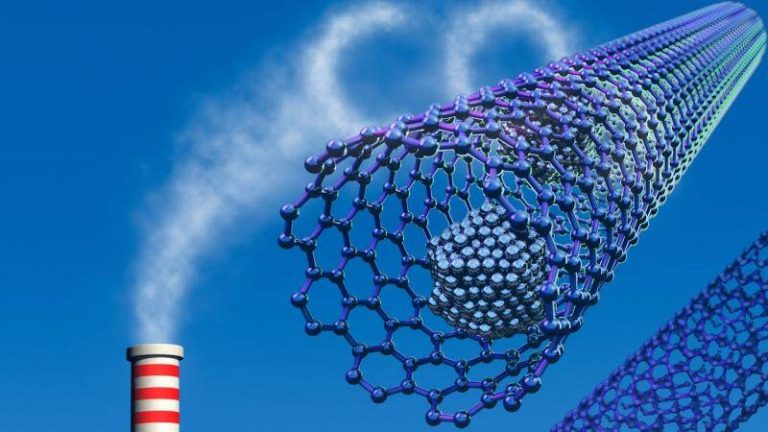
The world is shifting towards cleaner energy sources to combat climate change, and one crucial step in this transition is the development of efficient methods for capturing and storing greenhouse gases. Metal-organic frameworks (MOFs) have emerged as promising materials for this purpose, owing to their high surface area and tunable properties. However, the traditional synthesis methods for MOFs often involve the use of toxic hydrofluoric acid, which poses significant environmental and health risks. In a breakthrough, researchers have developed a fluoride-free synthesis method for MOFs, replacing hydrofluoric acid with safer modulators. This innovative approach not only simplifies the production process but also yields superior crystals that can trap greenhouse gases and store hydrogen more efficiently at room temperature.
The new synthesis method is a significant improvement over the conventional approach, which relies on hydrofluoric acid to create the framework’s structure. Hydrofluoric acid is a highly corrosive and toxic substance that requires special handling and equipment, making it a major concern for researchers and manufacturers. The fluoride-free method, on the other hand, uses safer modulators that can be easily handled and disposed of, reducing the environmental impact of MOF production.
The researchers’ innovative approach involves the use of alternative modulators that can precisely control the formation of the MOF’s crystal structure. By carefully selecting the modulators and optimizing the reaction conditions, the team was able to produce MOFs with superior properties, including higher surface areas and enhanced stability. These improved MOFs are capable of capturing and storing greenhouse gases, such as carbon dioxide and methane, more efficiently than their conventionally synthesized counterparts.
One of the most significant advantages of the new synthesis method is its ability to produce MOFs that can operate effectively at room temperature. This is a major breakthrough, as most MOFs require high temperatures or pressures to function efficiently, which can limit their practical applications. The room-temperature operation of the new MOFs makes them ideal for a wide range of applications, including carbon capture and storage, hydrogen storage, and atmospheric water harvesting.
The potential impact of this innovation is substantial, as it could pave the way for the development of affordable carbon scrubbers and advanced atmospheric water harvesting systems. Carbon scrubbers are devices that can capture and remove carbon dioxide from the atmosphere, which is essential for mitigating climate change. The new MOFs could be used to create more efficient and cost-effective carbon scrubbers, making them accessible to a wider range of industries and applications.
Atmospheric water harvesting is another area where the new MOFs could make a significant impact. This technology involves capturing and condensing water vapor from the air, which can provide a sustainable source of clean water for communities in water-scarce regions. The MOFs produced using the fluoride-free synthesis method could be used to create more efficient atmospheric water harvesting systems, which could help alleviate global water shortages and support the United Nations’ Sustainable Development Goals.
The development of the fluoride-free synthesis method is a testament to the power of innovative research and its potential to drive positive change. By replacing toxic hydrofluoric acid with safer modulators, the researchers have not only simplified the production process but also created a more sustainable and environmentally friendly method for producing MOFs. This breakthrough could have far-reaching implications for the clean energy sector, enabling the widespread adoption of MOFs for carbon capture, hydrogen storage, and atmospheric water harvesting.
As the world continues to transition towards cleaner energy sources, the demand for efficient and sustainable technologies will only continue to grow. The development of the fluoride-free synthesis method for MOFs is a significant step in this direction, offering a safer, more efficient, and more environmentally friendly approach to producing these versatile materials. With further research and development, the potential applications of MOFs could expand even further, enabling new breakthroughs in fields such as energy storage, catalysis, and biomedicine.
In conclusion, the safer method for synthesizing metal-organic frameworks is a major breakthrough that could have a significant impact on the clean energy sector. By replacing toxic hydrofluoric acid with safer modulators, the researchers have created a more sustainable and environmentally friendly method for producing MOFs, which could pave the way for the development of affordable carbon scrubbers and advanced atmospheric water harvesting systems. As the world continues to fight against climate change, innovations like this will be crucial in driving positive change and creating a more sustainable future for all.
News Source: https://researchmatters.in/news/greener-path-synthesising-metal-organic-frameworks-carbon-capture-and-storage
About the Author