Safer method boosts gas capture for clean energy
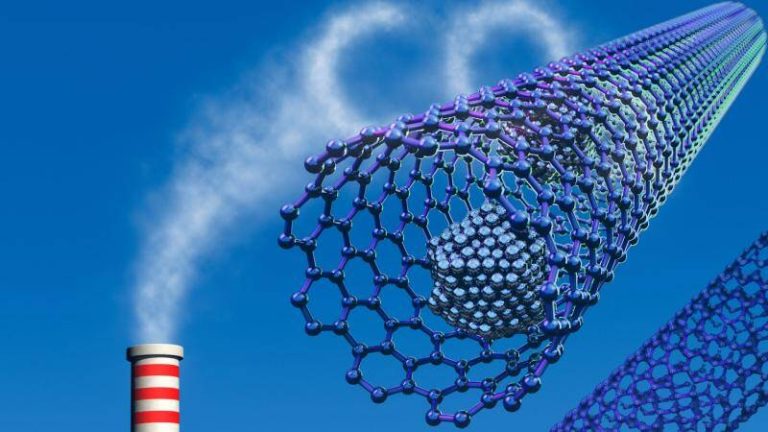
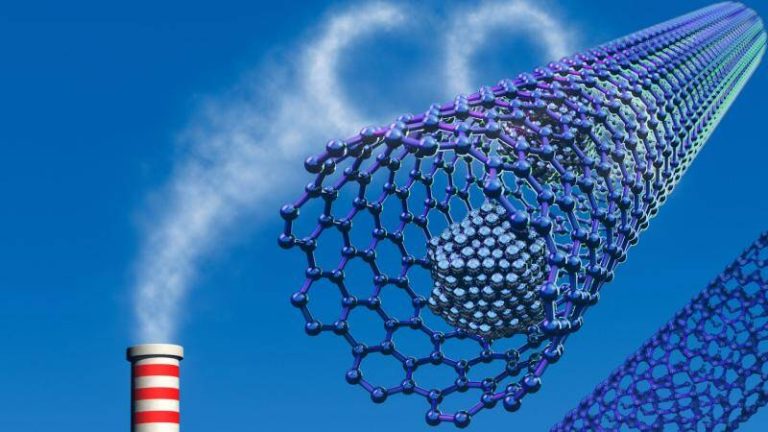
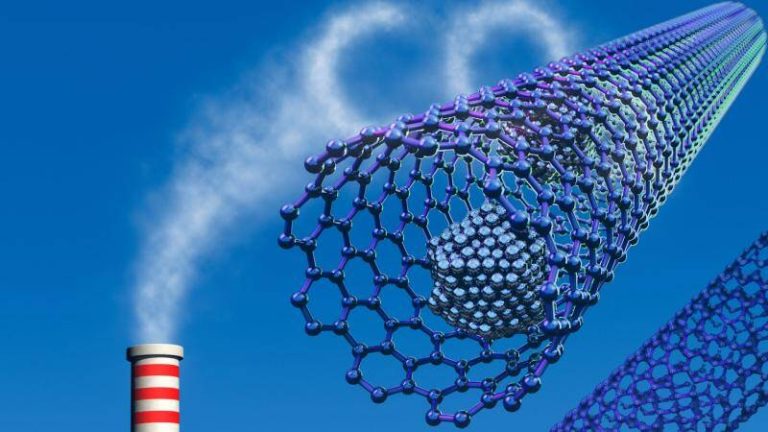
The world is shifting towards cleaner and more sustainable energy sources to combat the growing threat of climate change. One of the most promising technologies in this fight is the use of metal-organic frameworks (MOFs) to capture and store greenhouse gases, such as carbon dioxide and methane. However, the traditional method of synthesizing MOFs involves the use of toxic hydrofluoric acid, which poses significant environmental and health risks. Recently, researchers have made a breakthrough in developing a fluoride-free synthesis for MOFs, replacing hydrofluoric acid with safer modulators. This innovative approach not only simplifies the production process but also yields superior crystals that can trap greenhouse gases and store hydrogen more efficiently at room temperature.
The new method has significant implications for the development of affordable carbon scrubbers and advanced atmospheric water harvesting systems, which are crucial for mitigating the effects of climate change globally. By using safer and more efficient MOFs, we can reduce the amount of greenhouse gases in the atmosphere, thereby slowing down global warming. Additionally, the ability to store hydrogen at room temperature could pave the way for the widespread adoption of hydrogen fuel cells, which are a promising alternative to fossil fuels.
The traditional method of synthesizing MOFs involves the use of hydrofluoric acid, which is a highly toxic and corrosive substance. The acid is used to create a solvent that helps to form the crystal structure of the MOF. However, the use of hydrofluoric acid poses significant risks to the environment and human health. The acid can cause severe burns and respiratory problems, and it can also contaminate soil and water if not disposed of properly. Furthermore, the traditional method requires high temperatures and pressures, which can lead to the formation of defects in the crystal structure of the MOF, reducing its efficiency.
In contrast, the new fluoride-free synthesis method uses safer modulators to create the solvent, eliminating the need for hydrofluoric acid. The modulators are designed to mimic the properties of hydrofluoric acid, but without the toxicity and environmental risks. The new method also simplifies the production process, reducing the number of steps required to synthesize the MOF. This not only makes the process more efficient but also reduces the cost of production, making MOFs more accessible for a wide range of applications.
The superior crystals produced by the new method have a more uniform structure, which enables them to trap greenhouse gases and store hydrogen more efficiently. The MOFs can capture carbon dioxide and methane at room temperature, making them ideal for use in carbon scrubbers and other applications. The ability to store hydrogen at room temperature is also significant, as it could enable the widespread adoption of hydrogen fuel cells. Hydrogen fuel cells are a promising alternative to fossil fuels, as they produce only water and heat as byproducts, making them a clean and sustainable source of energy.
The implications of this breakthrough are far-reaching. The development of affordable carbon scrubbers could help to reduce the amount of greenhouse gases in the atmosphere, slowing down global warming. The use of MOFs in atmospheric water harvesting systems could also provide a sustainable source of clean water, which is essential for human consumption, agriculture, and industry. Furthermore, the ability to store hydrogen at room temperature could enable the widespread adoption of hydrogen fuel cells, reducing our reliance on fossil fuels and mitigating the impact of climate change.
In conclusion, the development of a fluoride-free synthesis method for metal-organic frameworks is a significant breakthrough in the fight against climate change. The new method simplifies the production process, reduces the cost of production, and yields superior crystals that can trap greenhouse gases and store hydrogen more efficiently at room temperature. The implications of this breakthrough are far-reaching, and it has the potential to enable the widespread adoption of carbon scrubbers, atmospheric water harvesting systems, and hydrogen fuel cells. As the world continues to shift towards cleaner and more sustainable energy sources, the development of safer and more efficient MOFs will play a crucial role in mitigating the effects of climate change globally.
The research team behind this breakthrough is optimistic about the potential of their discovery to make a significant impact in the fight against climate change. They believe that their new method could enable the widespread adoption of MOFs, leading to a significant reduction in greenhouse gas emissions and a more sustainable future for generations to come.
As the world continues to grapple with the challenges of climate change, the development of new technologies and methods that can help to mitigate its effects is crucial. The breakthrough in fluoride-free synthesis for metal-organic frameworks is a significant step in the right direction, and it has the potential to make a major impact in the years to come.
About the Author