Safe Harbour Margin Set at 15.5% for IT Services, Threshold Hiked
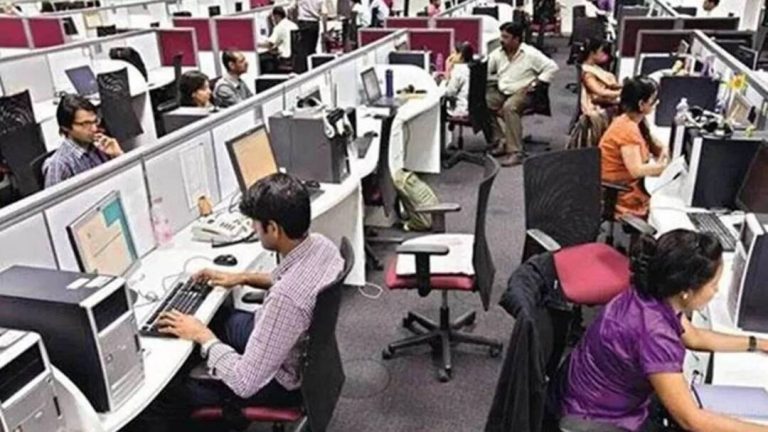
The Indian government has taken a significant step towards simplifying the tax landscape for IT services firms in the country. In the recent Budget proposal, Finance Minister Nirmala Sitharaman announced a common safe harbour margin of 15.5% for IT services. This move is expected to bring about a sense of stability and predictability for IT companies operating in India. Additionally, the threshold for availing safe harbour for IT services has been enhanced from ₹300 crore to ₹2,000 crore, providing relief to a larger number of businesses.
The concept of safe harbour is not new to the Indian tax system. It refers to a provision that allows taxpayers to opt for a predetermined margin, which is deemed to be the arm’s length price (ALP) for a specific international transaction. This eliminates the need for a detailed transfer pricing analysis, thereby reducing compliance costs and disputes. The safe harbour margin is essentially a tolerance limit within which the taxpayer’s transaction price is deemed to be acceptable.
The introduction of a common safe harbour margin of 15.5% for IT services is a welcome move, as it provides clarity and uniformity for the industry. Prior to this, IT companies had to navigate through a complex web of transfer pricing regulations, which often led to disputes and litigation. With a predefined margin, companies can now focus on their core business activities, rather than expending resources on transfer pricing documentation and dispute resolution.
The increased threshold of ₹2,000 crore for availing safe harbour is also a significant development. This means that more IT companies can now take advantage of the safe harbour provision, which was previously limited to companies with a threshold of ₹300 crore. The enhanced threshold is expected to bring about a significant reduction in transfer pricing disputes, as more companies will be able to opt for the safe harbour provision.
Another notable aspect of the safe harbour provision is that once applied by an IT services firm, the same safe harbour can be continued for 5 years at a stretch at its choice. This provides a sense of continuity and stability, allowing companies to plan their tax strategies over a longer period. The 5-year period also gives companies the flexibility to adapt to changing business conditions, without having to worry about the implications of transfer pricing regulations.
The introduction of a common safe harbour margin and the increased threshold are expected to have a positive impact on the IT industry in India. The country is already a hub for IT services, with many global companies setting up operations here. The simplified tax regime is likely to attract even more investment, as companies look to take advantage of India’s skilled workforce and favorable business environment.
The move is also expected to reduce the burden on the tax authorities, as the number of transfer pricing disputes is likely to decrease. The safe harbour provision will help to reduce the workload of the tax department, allowing them to focus on more complex and high-value cases.
In conclusion, the introduction of a common safe harbour margin of 15.5% for IT services and the increased threshold of ₹2,000 crore are significant developments in the Indian tax landscape. These moves are expected to simplify the tax regime for IT companies, reduce transfer pricing disputes, and attract more investment to the country. As the IT industry continues to grow and evolve, the government’s efforts to create a favorable business environment will be critical in driving growth and innovation.
For more information on this development, you can visit the following link: https://www.moneycontrol.com/news/business/union-budget-2026-live-news-updates-finance-minister-nirmala-sitharaman-budget-speech-key-announcements-liveblog-13802050.html/amp
About the Author