Safe Harbour Margin Set at 15.5% for IT Services, Threshold Hiked
The Indian government has introduced a significant change in the taxation regime for IT services, aiming to provide a more stable and predictable environment for businesses operating in this sector. In the recent Budget speech, Finance Minister Nirmala Sitharaman proposed a common safe harbour margin of 15.5% for IT services. Additionally, the threshold for availing safe harbour for IT services has been enhanced from ₹300 crore to ₹2,000 crore. This move is expected to have a positive impact on the IT industry, which is a significant contributor to the country’s economy.
The concept of safe harbour is not new to the Indian tax system. It was introduced to provide certainty and predictability in the transfer pricing regime, which is essential for multinational companies operating in the country. Transfer pricing refers to the pricing of goods and services between related entities, such as a parent company and its subsidiary. The safe harbour regime allows companies to determine their transfer prices within a predetermined margin, which is considered acceptable by the tax authorities. This eliminates the need for complex transfer pricing analyses and reduces the risk of disputes with the tax authorities.
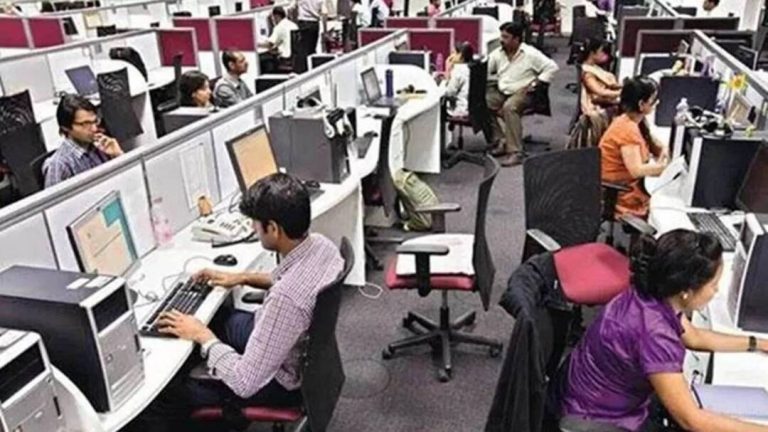
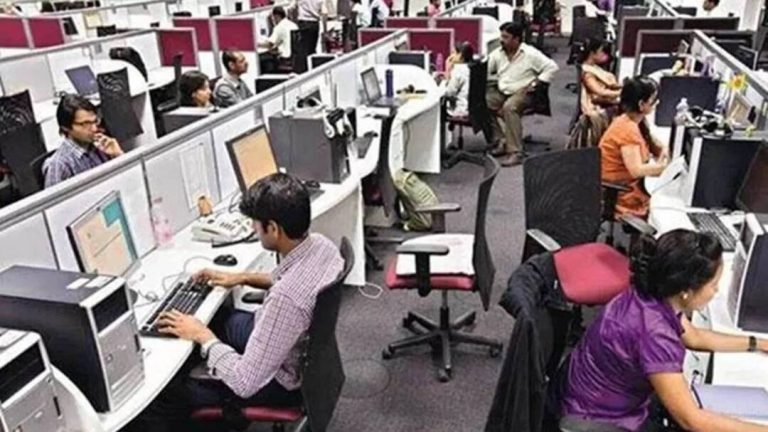
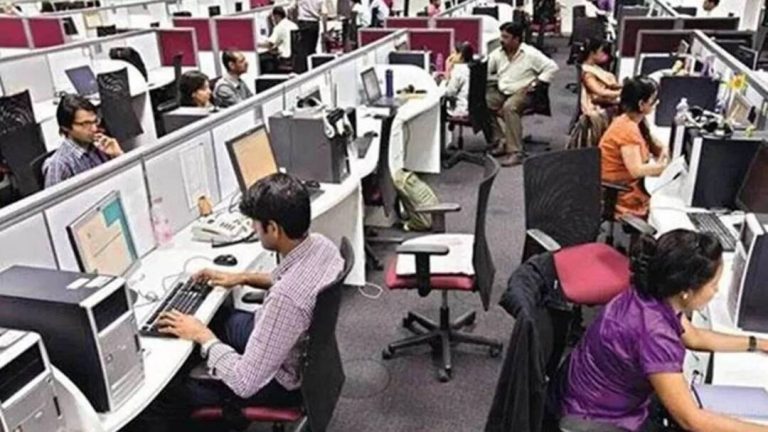
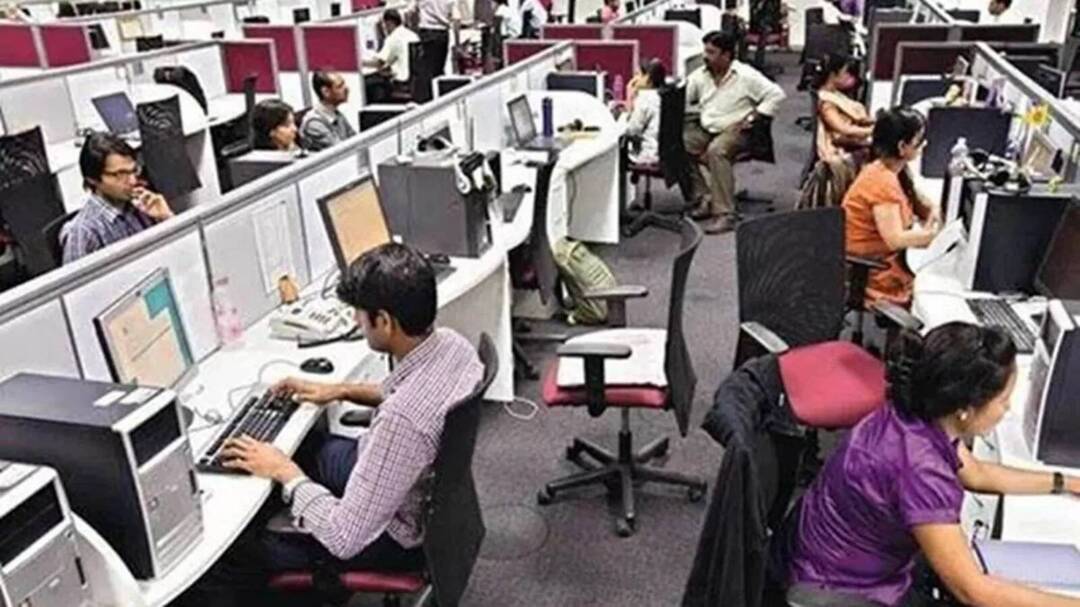
The IT services sector is a critical component of the Indian economy, with many domestic and international companies operating in this space. The sector has been growing rapidly, driven by the increasing demand for digital services and the country’s competitive advantage in terms of skilled manpower and cost. However, the IT services sector has also faced challenges related to taxation, including transfer pricing issues. The introduction of a common safe harbour margin of 15.5% for IT services is expected to simplify the tax compliance process for companies operating in this sector.
The enhancement of the threshold for availing safe harbour from ₹300 crore to ₹2,000 crore is also a significant move. This will allow more companies to take advantage of the safe harbour regime, reducing their compliance burden and the risk of transfer pricing disputes. The increased threshold will also encourage more companies to invest in the IT services sector, as they will have greater certainty regarding their tax liabilities.
Another important aspect of the safe harbour regime is that once applied by an IT services firm, the same safe harbour can be continued for 5 years at a stretch at its choice. This provides companies with the flexibility to plan their tax strategy over a longer period, without the need to revisit their transfer pricing arrangements every year. This stability will enable companies to focus on their core business activities, rather than spending resources on tax compliance and transfer pricing analyses.
The introduction of a common safe harbour margin of 15.5% for IT services and the enhancement of the threshold for availing safe harbour are expected to have a positive impact on the Indian economy. The IT services sector is a significant contributor to the country’s GDP, and any measures that simplify the tax compliance process and reduce the risk of disputes will encourage more investment and growth in this sector. The government’s move is also expected to attract more foreign investment, as international companies will view the Indian tax regime as more stable and predictable.
In conclusion, the introduction of a common safe harbour margin of 15.5% for IT services and the enhancement of the threshold for availing safe harbour are significant developments in the Indian tax regime. These changes will simplify the tax compliance process for companies operating in the IT services sector, reduce the risk of transfer pricing disputes, and provide greater certainty regarding tax liabilities. The government’s move is expected to have a positive impact on the Indian economy, encouraging more investment and growth in the IT services sector.
The details of the Budget proposal can be found on the Money Control website, which provides comprehensive coverage of the Union Budget 2026. The website offers live updates, key announcements, and in-depth analysis of the Budget proposals.
About the Author