Roblox ban in Russia sparks protest, debate on censorship
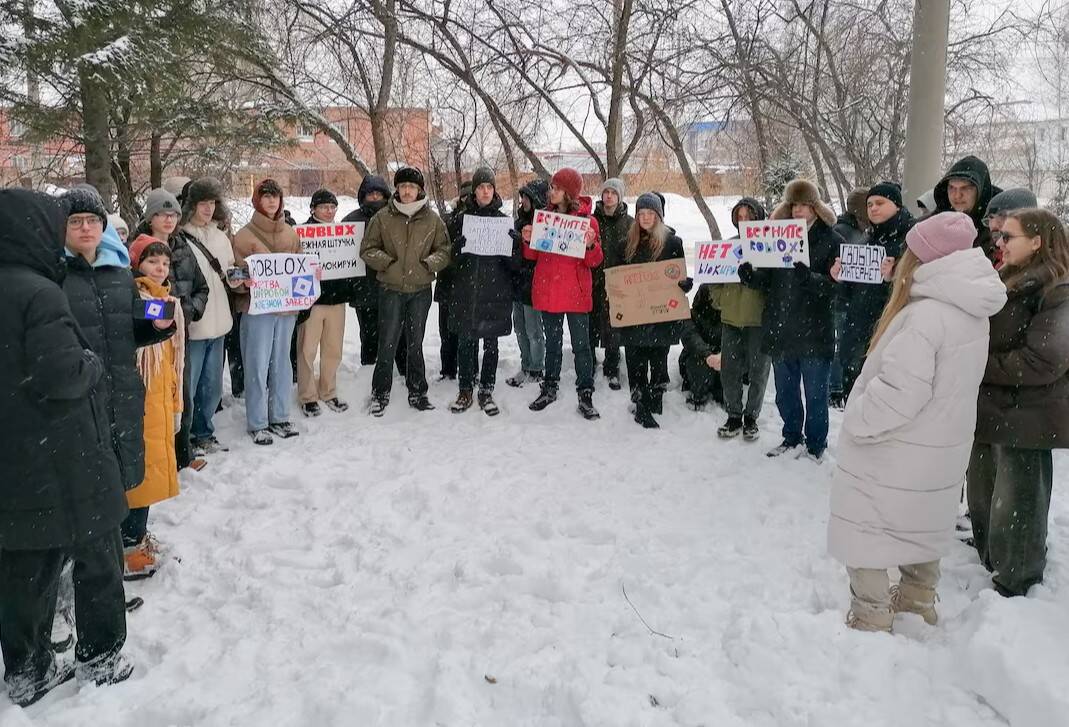
In a move that has sparked widespread opposition and debate, Russia has banned the popular online gaming platform Roblox in the country. The ban, which was announced in early December, has been met with protests in the Siberian city of Tomsk, where gamers and concerned citizens have taken to the streets to express their discontent.
While Russia has a history of blocking or restricting social media platforms like Snapchat, Facebook, Instagram, and YouTube, the ban on Roblox has brought rare protests. The move has also triggered a debate over censorship, child safety, and technology, with many questioning the effectiveness of such bans in a world where children can easily bypass them using VPNs.
Roblox, which allows users to create and play a wide variety of games, has been a popular platform among children and teenagers in Russia. The platform has over 100 million monthly active users worldwide, and its ban has been met with disappointment and frustration from many young gamers.
The protests in Tomsk, which is located in western Siberia, have been peaceful, with demonstrators holding signs and banners that read “Unblock Roblox” and “Freedom of Speech.” The protesters have argued that the ban is an example of censorship and an attempt to restrict their freedom of expression.
The Russian government has cited concerns over child safety as the reason for the ban, claiming that the platform is not suitable for children due to its content and the potential for online harassment. However, many have questioned the validity of these concerns, arguing that the ban is an overreaction and an attempt to exert control over the online activities of Russian citizens.
The debate over censorship and child safety has been ongoing in Russia for several years, with the government introducing various laws and regulations aimed at restricting online content and protecting children from harmful material. However, many have argued that these measures are overly broad and restrictive, and that they infringe upon the rights of citizens to freedom of expression and access to information.
The use of technology to bypass bans and restrictions has also been a major topic of discussion. With the widespread availability of VPNs and other tools, many children and teenagers are able to access blocked platforms and websites with ease. This has raised questions about the effectiveness of censorship in a world where technology is constantly evolving and where users are becoming increasingly savvy.
In fact, many experts have argued that censorship is not an effective way to protect children from harmful online content. Instead, they argue that education and awareness are key to keeping children safe online. By teaching children about online safety and the potential risks of certain platforms and websites, parents and educators can help them to navigate the online world in a safe and responsible way.
The ban on Roblox has also sparked a wider debate about the role of government in regulating online content and activity. While some have argued that the government has a responsibility to protect citizens from harmful material, others have argued that such regulation is an overreach of power and an infringement upon individual rights.
As the debate over the Roblox ban continues, it is clear that the issue is complex and multifaceted. While concerns over child safety are valid, the ban has also raised questions about censorship, freedom of expression, and the effectiveness of such measures in a world where technology is constantly evolving.
In conclusion, the ban on Roblox in Russia has sparked a rare protest and debate over censorship, child safety, and technology. While the Russian government has cited concerns over child safety as the reason for the ban, many have questioned the validity of these concerns and argued that the ban is an example of censorship and an attempt to exert control over the online activities of Russian citizens. As the debate continues, it is clear that the issue is complex and multifaceted, and that there are no easy answers.
About the Author