Roblox ban in Russia sparks protest, debate on censorship
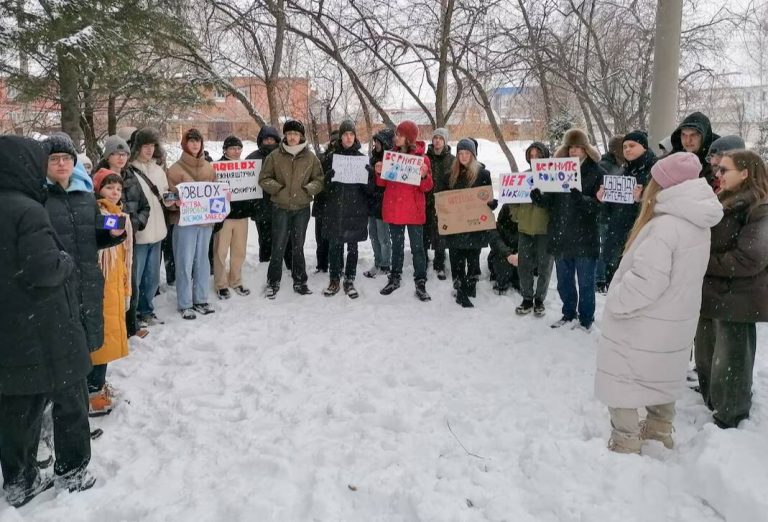
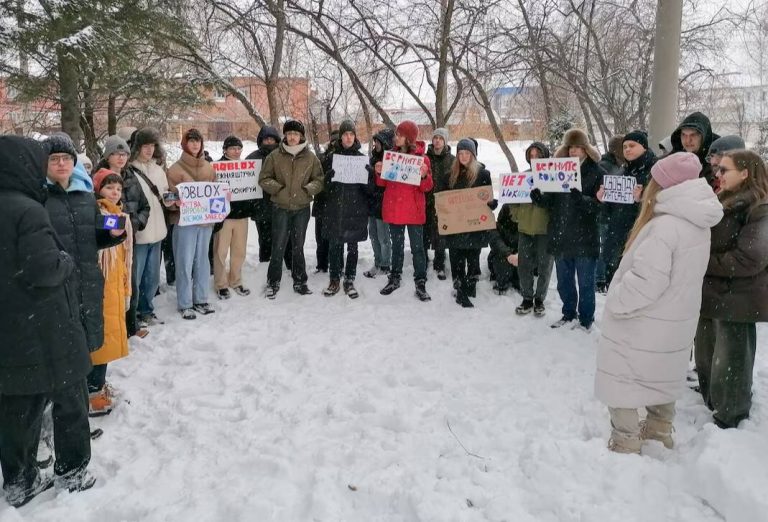
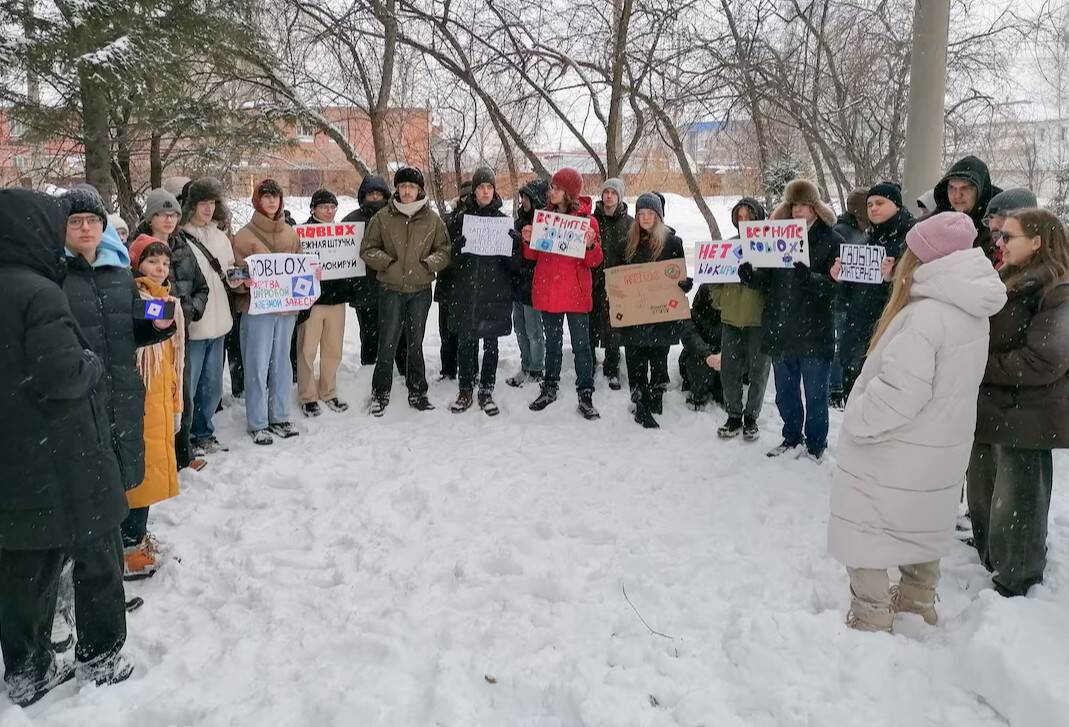
In a move that has sparked widespread opposition and debate, Russia has banned the popular online gaming platform Roblox in the country. The ban, which was announced in early December, has been met with rare protests in the Siberian city of Tomsk, where a group of young gamers took to the streets to express their discontent with the government’s decision.
The ban on Roblox is not an isolated incident, as Russia has a history of blocking or restricting access to social media platforms and online services. In recent years, the country has restricted access to platforms like Snapchat, Facebook, Instagram, and YouTube, citing concerns over national security and the protection of children. However, the ban on Roblox has brought a rare display of public protest, with many young people in Russia taking to the streets to voice their opposition to the move.
The protests in Tomsk are significant, as they highlight the growing frustration among young people in Russia with the government’s increasing attempts to control their online activities. The protesters, many of whom are teenagers and young adults, argue that the ban on Roblox is an overreach of government power and an attempt to stifle their freedom of expression. They also argue that the ban will not be effective in protecting children, as many young people in Russia are already using virtual private networks (VPNs) to bypass the government’s restrictions on online content.
The debate over the ban on Roblox has also sparked a wider discussion about censorship, child safety, and the effectiveness of government restrictions on online content. While some argue that the ban is necessary to protect children from potentially harmful or explicit content, others argue that it is an overreach of government power and an attempt to stifle freedom of expression.
One of the main concerns about Roblox is that it allows users to create and share their own content, which can include explicit or violent material. However, the platform also has a system of moderators and filters in place to detect and remove such content. Additionally, many parents and educators argue that Roblox can be a valuable tool for learning and creativity, as it allows children to develop important skills such as problem-solving, critical thinking, and collaboration.
The ban on Roblox has also raised questions about the effectiveness of government censorship in the digital age. With the widespread availability of VPNs and other technologies that can bypass government restrictions, many experts argue that such bans are unlikely to be effective in the long term. Furthermore, such bans can also have unintended consequences, such as driving online activity underground and making it more difficult for authorities to monitor and regulate online content.
In the case of Roblox, the ban has already led to a surge in VPN usage among young people in Russia, as they seek to find ways to continue accessing the platform. This has raised concerns about the potential risks of using VPNs, such as the exposure of personal data to third-party providers. It has also highlighted the need for more nuanced and effective approaches to regulating online content, such as education and awareness-raising campaigns, rather than relying solely on censorship and bans.
The debate over the ban on Roblox in Russia is also part of a wider global discussion about the role of technology in society and the balance between freedom of expression and regulation of online content. As the internet and social media continue to play an increasingly important role in modern life, governments and regulatory bodies around the world are grappling with the challenges of how to regulate online content in a way that protects children and vulnerable groups, while also respecting the rights of free speech and expression.
In conclusion, the ban on Roblox in Russia has sparked a rare protest and debate over censorship, child safety, and the effectiveness of government restrictions on online content. While the government’s concerns about the potential risks of Roblox are understandable, the ban has also highlighted the need for more nuanced and effective approaches to regulating online content. As the global debate over the role of technology in society continues, it is clear that finding a balance between freedom of expression and regulation of online content will be an ongoing challenge for governments and regulatory bodies around the world.
About the Author