Roblox Ban in Russia Sparks Protest, Debate on Censorship
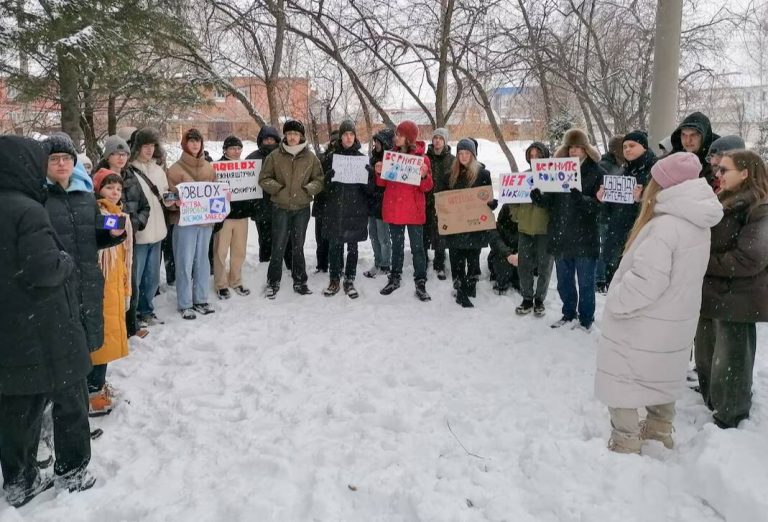
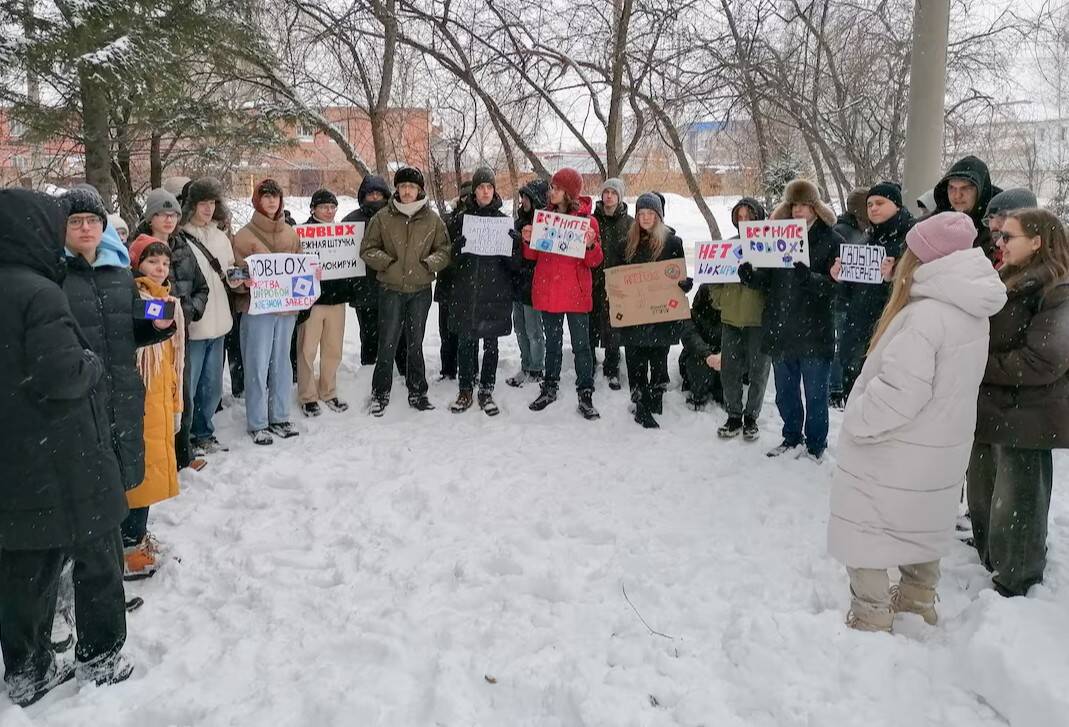
In a move that has sparked widespread opposition and debate, Russia has banned the popular online gaming platform Roblox in the country. The ban, which was announced in early December, has been met with protests in the Siberian city of Tomsk, where gamers and parents have taken to the streets to express their discontent. Although Russia has a history of blocking and restricting social media platforms like Snapchat, Facebook, Instagram, and YouTube, the Roblox ban has brought rare protests, highlighting the complexity of the issue and the concerns surrounding censorship, child safety, and technology.
The Roblox ban is part of a broader effort by the Russian government to regulate online content and protect children from what it sees as harmful or inappropriate material. However, the move has been met with criticism from gamers, parents, and advocates of free speech, who argue that the ban is overly broad and will not effectively achieve its intended goals. Moreover, the ban has also raised questions about the effectiveness of censorship in a world where children can easily bypass bans using virtual private networks (VPNs) and other technologies.
At the heart of the debate is the issue of child safety. Roblox, which allows users to create and play a wide range of games, has been criticized for its lack of regulation and oversight, with some arguing that it exposes children to inappropriate content, including violence, nudity, and hate speech. The Russian government has cited these concerns as the reason for the ban, arguing that it is necessary to protect children from the potential harms of the platform. However, many parents and gamers argue that the ban is an overreaction and that Roblox can be a safe and educational platform when used responsibly.
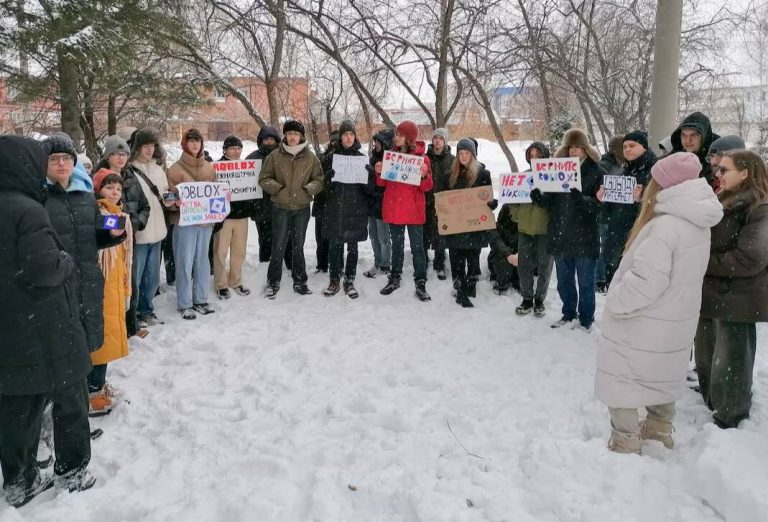
The protests in Tomsk, which were organized by local gamers and parents, highlight the depth of feeling on the issue. Protesters carried signs and banners calling for the ban to be lifted and for the government to find alternative solutions to regulate online content. The protests were peaceful, but they demonstrate the level of opposition to the ban and the concerns that many people have about the impact of censorship on free speech and online freedom.
The debate over the Roblox ban also raises important questions about the role of technology in regulating online content. While the Russian government has banned Roblox, it is unclear how effective this ban will be in practice. Many children are likely to find ways to bypass the ban using VPNs and other technologies, which could render the ban ineffective. This highlights the challenges of regulating online content in a world where technology is constantly evolving and where children are increasingly tech-savvy.
Furthermore, the ban on Roblox has also sparked a broader debate about censorship in Russia. The country has a history of restricting online freedom, with many social media platforms and websites blocked or restricted. The Roblox ban is part of this broader trend, and it has raised concerns about the impact of censorship on free speech and online freedom. Many argue that the ban is a form of censorship that will stifle creativity and innovation, and that it will have a chilling effect on online expression.
In conclusion, the Roblox ban in Russia has sparked a rare protest and debate over censorship, child safety, and technology. While the Russian government has cited concerns about child safety as the reason for the ban, many argue that the ban is overly broad and will not effectively achieve its intended goals. The protests in Tomsk demonstrate the level of opposition to the ban, and the debate highlights the complexity of the issue and the challenges of regulating online content in a world where technology is constantly evolving. As the debate continues, it remains to be seen how effective the ban will be and what impact it will have on online freedom and free speech in Russia.
About the Author