Roblox ban in Russia sparks protest, debate on censorship
In a move that has sent shockwaves through the online gaming community, Russia has banned the popular gaming platform Roblox in early December. The ban, which was implemented without warning, has sparked opposition in the Siberian city of Tomsk, where rare protests have erupted in response to the censorship. The move has also triggered a heated debate over censorship, child safety, and the effectiveness of such measures in a world where children can easily bypass bans using VPNs.
Roblox, a platform that allows users to create and play a wide variety of games, has become incredibly popular among children and teenagers in recent years. With over 100 million active users, the platform has become a staple of online gaming, providing a space for users to express their creativity, socialize with friends, and engage in a wide range of activities. However, the Russian government has deemed the platform to be a threat to child safety, citing concerns over the potential for children to be exposed to explicit content, harassment, and other forms of online abuse.
The ban on Roblox is not the first time that Russia has restricted access to social media platforms and online services. In recent years, the country has blocked or restricted access to platforms such as Snapchat, Facebook, Instagram, and YouTube, citing concerns over national security, child safety, and the spread of misinformation. However, the ban on Roblox has sparked a rare and unexpected response, with protests erupting in Tomsk and online communities rallying around the cause.
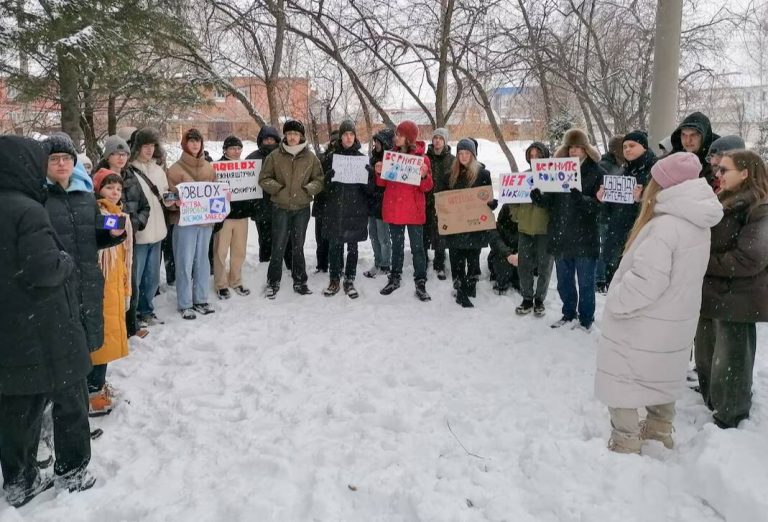
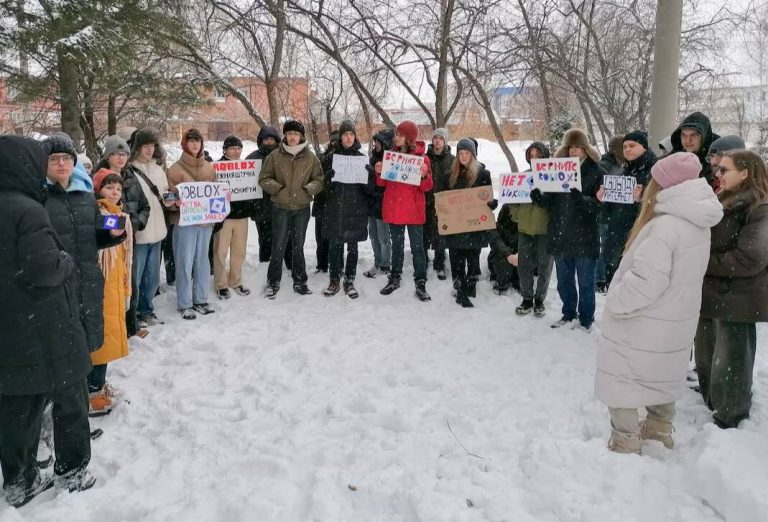
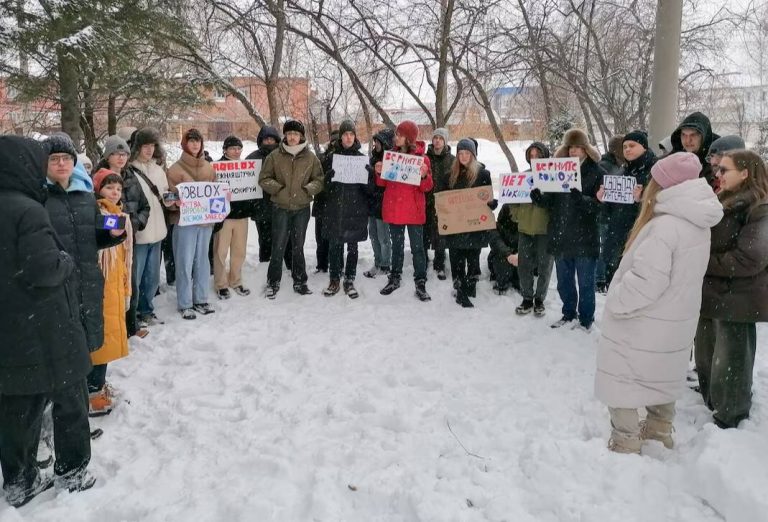
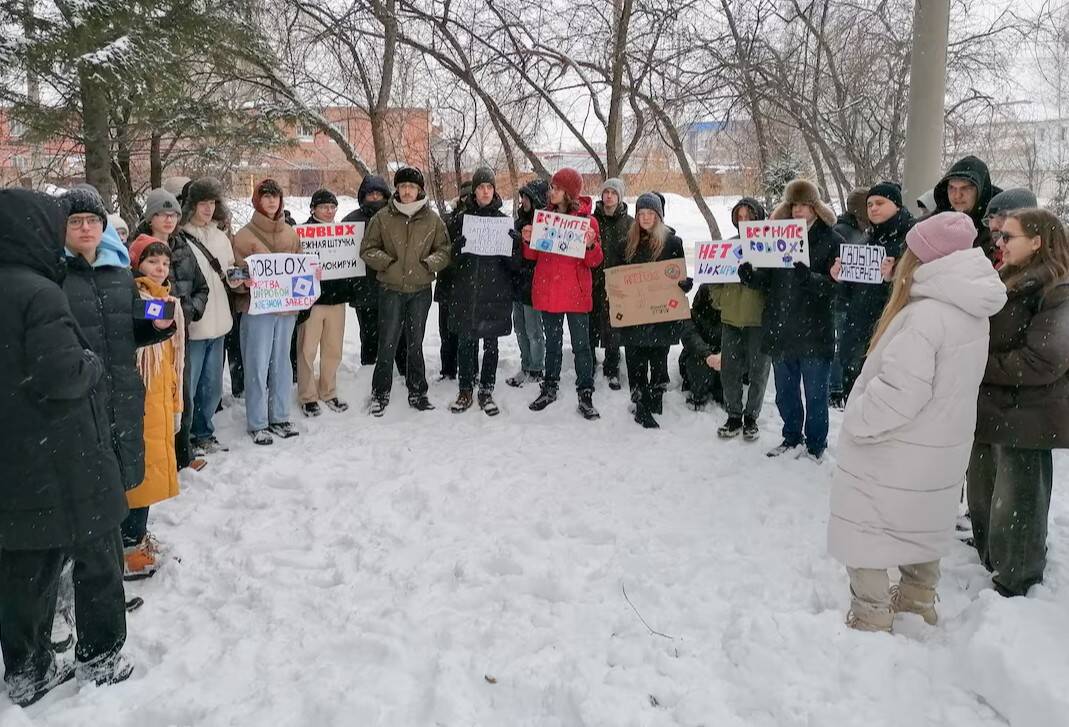
The protests in Tomsk, which have been largely peaceful, have seen demonstrators holding signs and banners calling for the ban to be lifted and for greater freedom of expression online. The protesters, many of whom are young people who have grown up playing Roblox, argue that the ban is an overreach of government authority and a threat to their right to free speech and assembly. They also argue that the ban will have little impact on child safety, as children can easily bypass the restrictions using VPNs and other technologies.
The debate over censorship and child safety has been a longstanding one, with proponents of censorship arguing that it is necessary to protect children from the dangers of the online world. However, critics argue that censorship is often ineffective and can have unintended consequences, such as driving online activity underground and making it more difficult to monitor and regulate. They also argue that censorship can stifle free speech and creativity, and can have a disproportionate impact on marginalized communities and young people.
The use of VPNs and other technologies to bypass bans has become increasingly common in recent years, as individuals and communities seek to circumvent restrictions on their online activity. While VPNs can provide a level of anonymity and security, they can also be used to access explicit or prohibited content, which has raised concerns among parents, educators, and policymakers. However, the fact that children can easily bypass bans using VPNs has also highlighted the limitations of censorship as a means of controlling online activity.
The effectiveness of censorship in the digital age is a complex and multifaceted issue, with no easy answers or solutions. While censorship may be necessary in some cases to protect children and vulnerable individuals from harm, it is also important to recognize the potential risks and unintended consequences of such measures. As the online world continues to evolve and expand, it is likely that the debate over censorship and child safety will continue to be a major issue, with policymakers, educators, and online communities grappling with the challenges of balancing freedom of expression with the need to protect vulnerable individuals.
In conclusion, the ban on Roblox in Russia has sparked a rare and unexpected protest, highlighting the complexities and challenges of censorship in the digital age. While the Russian government has cited concerns over child safety as the reason for the ban, the move has been met with opposition and criticism from online communities and civil society groups. As the debate over censorship and child safety continues to evolve, it is likely that we will see more protests and controversies over the role of government in regulating online activity. Ultimately, the key to resolving these issues will be to find a balance between freedom of expression and the need to protect vulnerable individuals, and to recognize the limitations and unintended consequences of censorship in the digital age.
News source: https://www.reuters.com/business/media-telecom/russian-ban-roblox-gaming-platform-sparks-rare-protest-2025-12-14/
About the Author