Roblox Ban in Russia Sparks Protest, Debate on Censorship
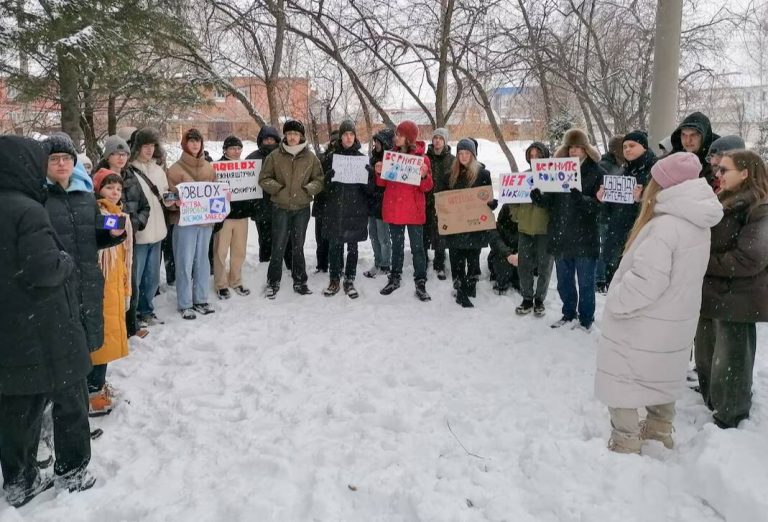
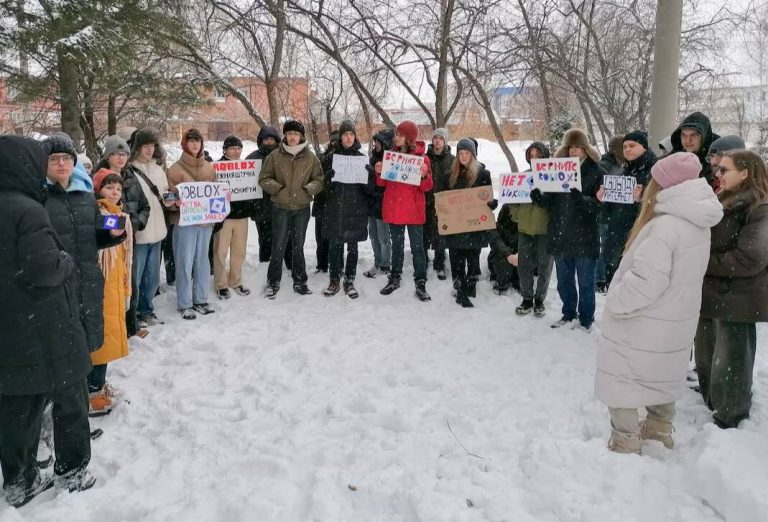
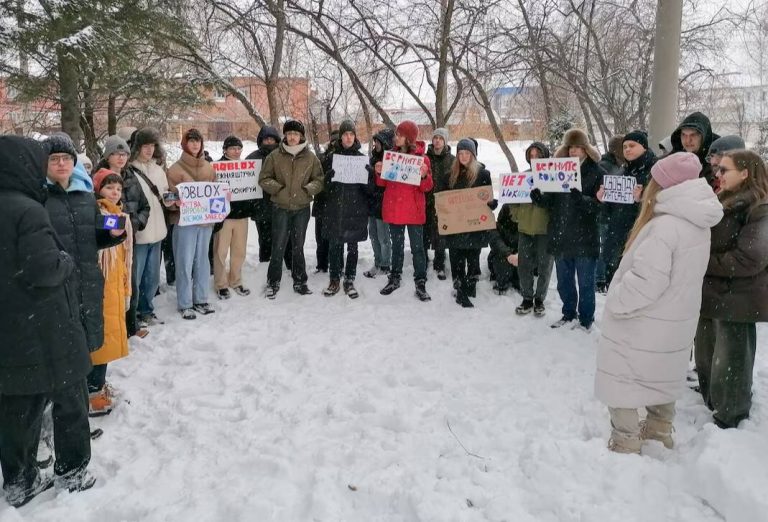
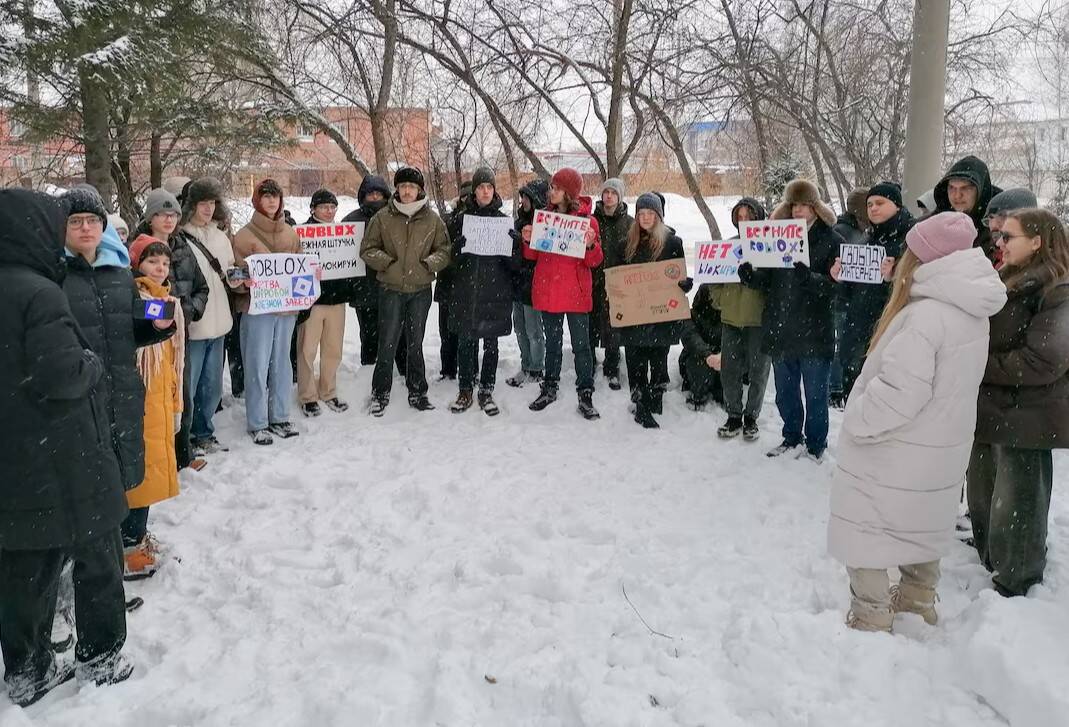
In a move that has sent shockwaves through the online gaming community, Russia has banned the popular gaming platform Roblox, sparking widespread opposition and debate in the Siberian city of Tomsk. The ban, which was announced in early December, has been met with rare protests, with many young gamers taking to the streets to express their discontent. But the controversy surrounding the Roblox ban goes far beyond a simple case of disgruntled gamers. It has also triggered a heated debate over censorship, child safety, and the effectiveness of restrictive measures in a world where children can easily bypass bans using VPNs.
For those who may be unfamiliar, Roblox is a user-generated online gaming platform that allows players to create and share their own games, as well as interact with other players in a virtual world. With over 200 million monthly active users, Roblox has become a cultural phenomenon among children and teenagers, providing a space for creativity, socialization, and entertainment. However, the platform has also faced criticism over concerns about online safety, with some arguing that it exposes children to inappropriate content, bullying, and other forms of harassment.
The Russian government’s decision to ban Roblox appears to be motivated by these concerns, with officials citing the need to protect children from harmful online content. However, many have questioned the wisdom of this move, arguing that it is an overreach of government authority and an attempt to exert control over the online activities of Russian citizens. The ban has also been seen as part of a broader crackdown on social media and online platforms, with Russia having previously blocked or restricted access to popular platforms like Snapchat, Facebook, Instagram, and YouTube.
The protests in Tomsk, which have been largely peaceful, have brought together young gamers, parents, and other concerned citizens who are opposed to the ban. Many have argued that the ban is an attack on freedom of expression and a misguided attempt to regulate online activity. Others have pointed out that the ban will have little impact on the safety of children, who can easily find ways to access the platform using VPNs or other circumvention tools.
The debate over the Roblox ban has also highlighted the complexities of regulating online activity, particularly when it comes to issues of child safety. While there are legitimate concerns about the potential risks of online gaming, there is also a need to balance these concerns with the need to protect freedom of expression and creativity. Moreover, the use of VPNs and other circumvention tools has made it increasingly difficult for governments to effectively enforce bans on online platforms.
In fact, many experts have argued that the ban on Roblox is unlikely to be effective in the long term, as children will find ways to access the platform regardless of government restrictions. This has raised questions about the wisdom of investing resources in censorship and content restriction, when those efforts may ultimately be futile. Instead, some have suggested that the focus should be on educating children and parents about online safety, and providing them with the tools and resources they need to navigate the online world safely.
The controversy surrounding the Roblox ban has also sparked a broader debate about the role of government in regulating online activity. While there are legitimate concerns about issues like child safety and national security, there is also a need to protect individual freedoms and prevent overreach by government authorities. In a world where online activity is increasingly ubiquitous, it is more important than ever to strike a balance between regulation and freedom, and to ensure that any measures taken to restrict online activity are proportionate and effective.
In conclusion, the ban on Roblox in Russia has sparked a rare protest and debate over censorship, child safety, and the effectiveness of restrictive measures in a world where children can bypass bans via VPNs. While there are legitimate concerns about online safety, the ban has also raised questions about the wisdom of government overreach and the need to protect individual freedoms. As the online gaming community continues to evolve and grow, it is essential that we prioritize education, safety, and freedom, and work towards finding solutions that balance these competing interests.
About the Author