Roblox ban in Russia sparks protest, debate on censorship
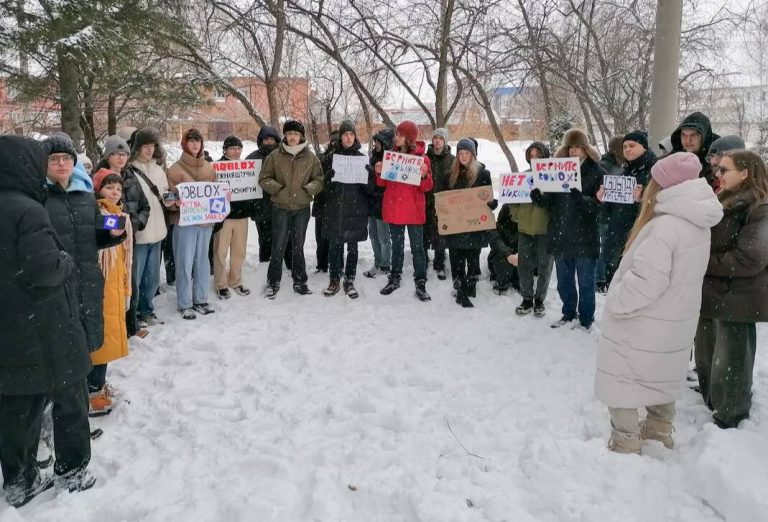
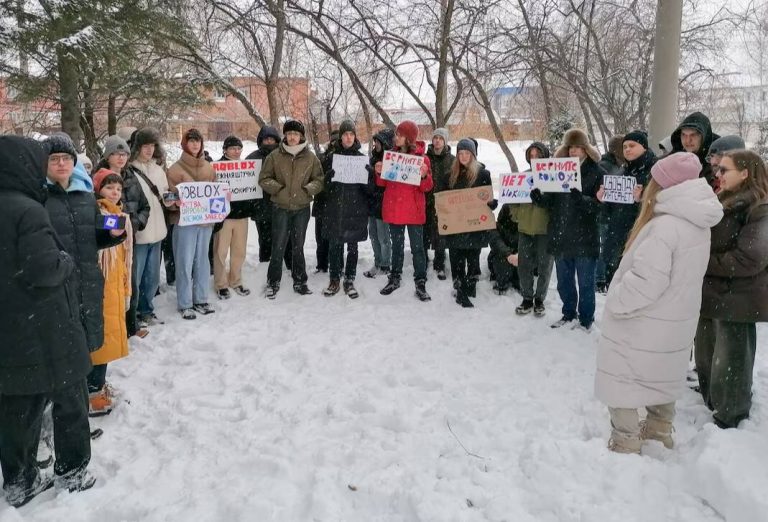
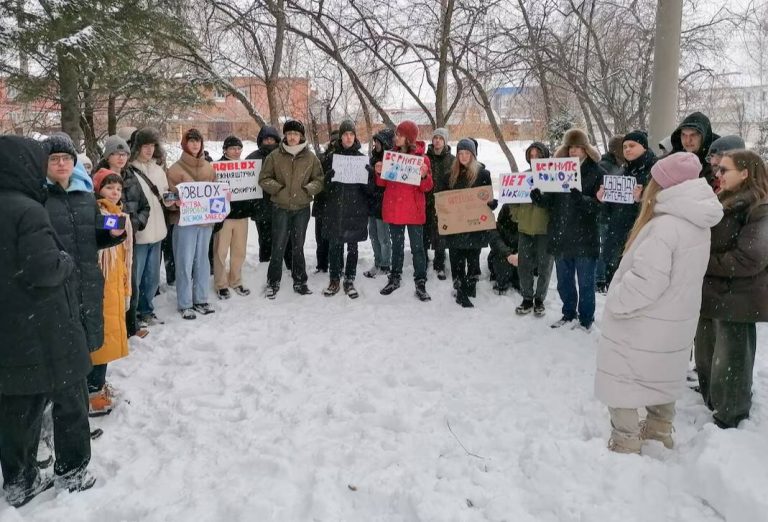
In a move that has sparked widespread opposition and debate, Russia has banned the popular online gaming platform Roblox in the country. The ban, which was announced in early December, has been met with rare protests in the Siberian city of Tomsk, where gamers and parents have taken to the streets to express their discontent. The ban on Roblox is the latest in a series of restrictions imposed by the Russian government on social media platforms and online services, including Snapchat, Facebook, Instagram, and YouTube. However, the Roblox ban has brought a level of protest and debate that is rare in Russia, highlighting the complexities of censorship, child safety, and the role of technology in modern society.
The Russian government has cited concerns over child safety as the reason for the ban, arguing that Roblox is not doing enough to protect its young users from harmful content and online predators. However, many parents and gamers in Russia believe that the ban is an overreach of government authority and an attempt to exert control over the online activities of citizens. The protests in Tomsk, which have been peaceful and organized, have brought attention to the issue and highlighted the need for a more nuanced approach to regulating online content.
The debate over the Roblox ban has also sparked a wider conversation about the effectiveness of censorship in the digital age. With the widespread availability of Virtual Private Networks (VPNs) and other technologies that allow users to bypass online restrictions, many experts believe that bans on online platforms are ultimately futile. Children and teenagers, in particular, are often adept at finding ways to circumvent online restrictions, rendering bans like the one on Roblox largely ineffective.
Furthermore, the ban on Roblox has raised questions about the role of government in regulating online content and the balance between protecting children and respecting the rights of citizens to access information and express themselves online. While the Russian government has argued that the ban is necessary to protect children, many parents and gamers believe that it is up to individual families to monitor and regulate their own online activities, rather than relying on the government to do so.
The Roblox ban has also highlighted the complexities of online safety and the need for a more comprehensive approach to protecting children online. Rather than simply banning platforms like Roblox, many experts believe that governments and online companies should work together to develop more effective strategies for monitoring and regulating online content. This could include measures such as improved moderation, better reporting mechanisms, and more robust age verification processes.
In addition, the ban on Roblox has sparked a debate about the impact of censorship on freedom of expression and the development of online communities. Roblox, like many other online platforms, provides a space for users to create and share their own content, interact with others, and develop social skills. By banning the platform, the Russian government is not only restricting access to a popular online service but also limiting the ability of citizens to express themselves and connect with others.
The protests in Tomsk and the wider debate over the Roblox ban have also highlighted the importance of online communities and the role that they play in modern society. For many children and teenagers, online platforms like Roblox are not just sources of entertainment but also provide a sense of connection and belonging. By banning these platforms, governments are not only restricting access to online content but also disrupting the social networks and communities that have formed around them.
In conclusion, the ban on Roblox in Russia has sparked a rare protest and debate over censorship, child safety, and the role of technology in modern society. While the Russian government has cited concerns over child safety as the reason for the ban, many parents and gamers believe that it is an overreach of government authority and an attempt to exert control over online activities. The debate over the Roblox ban has highlighted the complexities of online safety, the need for a more comprehensive approach to regulating online content, and the importance of respecting the rights of citizens to access information and express themselves online.
As the world becomes increasingly digital, it is likely that debates over censorship, online safety, and the role of government in regulating online content will continue. The Roblox ban in Russia is just one example of the challenges that governments and online companies face in balancing the need to protect children and citizens with the need to respect individual freedoms and promote online communities. Ultimately, finding a solution to these challenges will require a nuanced and multifaceted approach that takes into account the complexities of the digital world and the diverse needs and perspectives of online users.
News source: https://www.reuters.com/business/media-telecom/russian-ban-roblox-gaming-platform-sparks-rare-protest-2025-12-14/
About the Author