Roblox ban in Russia sparks protest, debate on censorship
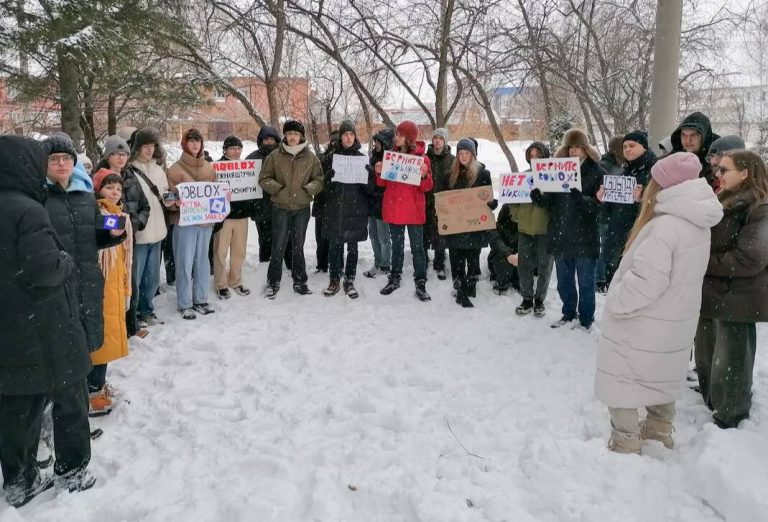
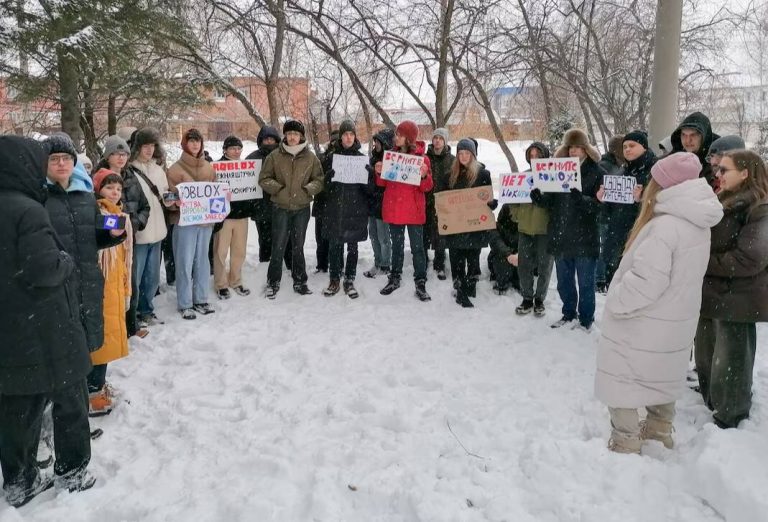
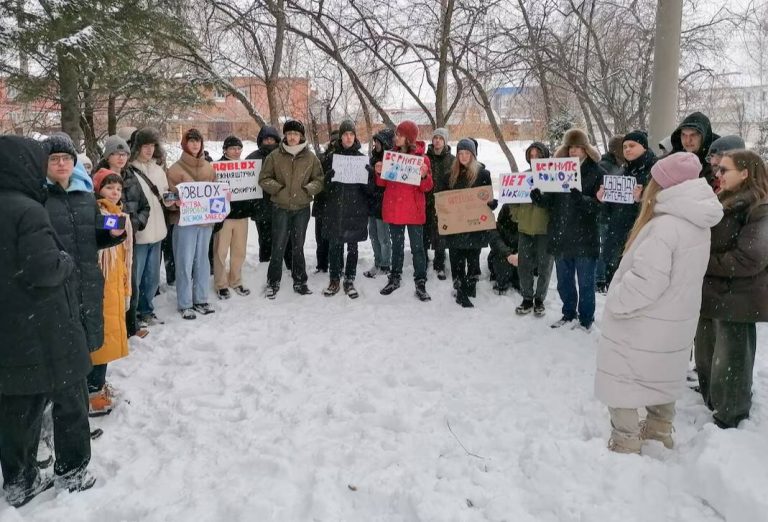
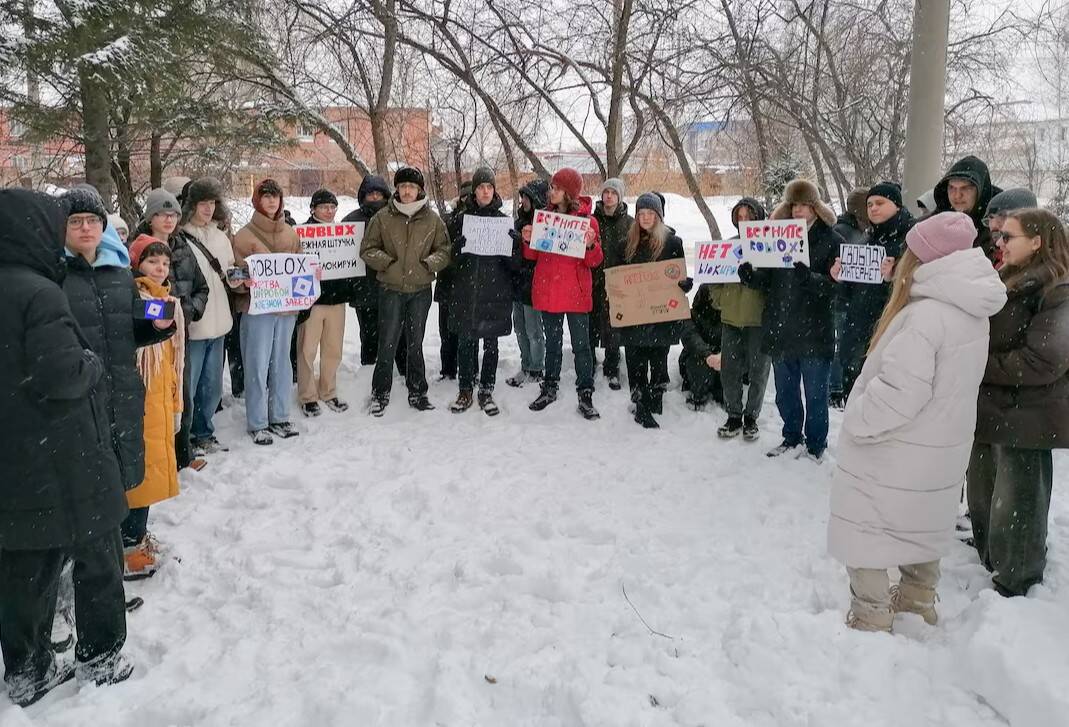
In a move that has sparked widespread opposition and debate, Russia has banned the popular online gaming platform Roblox in the country. The ban, which was implemented in early December, has been met with rare protests in the Siberian city of Tomsk, where a group of young people took to the streets to express their discontent with the decision.
The ban on Roblox is not an isolated incident, as Russia has a history of blocking or restricting access to social media platforms and online services. In recent years, the country has blocked or limited access to platforms like Snapchat, Facebook, Instagram, and YouTube, citing concerns over national security and the protection of children. However, the ban on Roblox has brought a rare level of protest, with many young people in Russia taking to social media to express their opposition to the move.
The protests in Tomsk, which were organized by a group of teenagers, saw dozens of young people gather in the city’s central square to protest the ban. The protesters held signs and banners calling for the ban to be lifted, and chanted slogans in support of the gaming platform. The protest was peaceful, but it marked a rare instance of public dissent in Russia, where opposition to government decisions is often met with repression.
The ban on Roblox has also sparked a debate over censorship, child safety, and the effectiveness of such measures in a world where children can easily bypass bans using virtual private networks (VPNs). While the Russian government has cited concerns over the safety and well-being of children as the reason for the ban, many experts argue that such measures are ineffective and only serve to drive online activity underground.
Roblox, which allows users to create and play a wide range of games, has been a popular platform among children and teenagers in Russia. The platform has over 100 million monthly active users, and its popularity has grown significantly in recent years. However, the Russian government has expressed concerns over the platform’s content, citing instances of violence, pornography, and other forms of explicit material.
Despite these concerns, many experts argue that the ban on Roblox is an overreach, and that it will only serve to drive online activity underground. “The ban on Roblox is a classic example of how censorship can be counterproductive,” said one expert. “By banning the platform, the Russian government is only pushing children to find alternative ways to access it, which can put them at greater risk of exposure to harmful content.”
The use of VPNs has become increasingly common among young people in Russia, who use them to bypass bans and access restricted content. While VPNs can provide a level of anonymity and security, they can also expose users to greater risks, including malware and other forms of cyber threats. “The use of VPNs is a double-edged sword,” said another expert. “While they can provide access to restricted content, they can also expose users to greater risks, which can be particularly problematic for children.”
The debate over censorship and child safety is not unique to Russia, as many countries around the world grapple with the challenges of regulating online content and protecting children from harm. However, the ban on Roblox has highlighted the complexities of this issue, and the need for a more nuanced approach to regulating online activity.
In conclusion, the ban on Roblox in Russia has sparked a rare protest and debate over censorship, child safety, and the effectiveness of such measures. While the Russian government has cited concerns over the safety and well-being of children as the reason for the ban, many experts argue that such measures are ineffective and only serve to drive online activity underground. As the world becomes increasingly digital, it is clear that a more nuanced approach to regulating online activity is needed, one that balances the need to protect children from harm with the need to promote freedom of expression and access to information.
About the Author