Roblox Ban in Russia Sparks Protest, Debate on Censorship
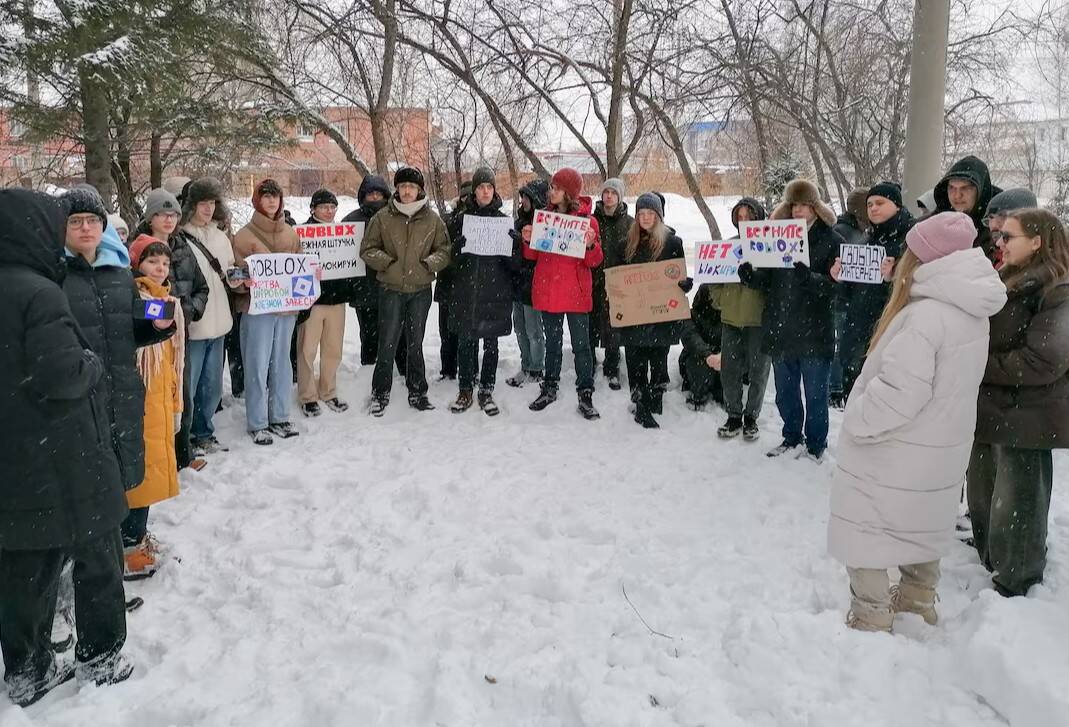
In a move that has sparked widespread opposition and debate, Russia banned the popular gaming platform Roblox in early December. The ban, which was imposed without warning, has been met with rare protests in the Siberian city of Tomsk, where gamers and parents have taken to the streets to express their discontent. The Roblox ban is the latest in a series of censorship measures implemented by the Russian government, which has previously blocked or restricted access to social media platforms like Snapchat, Facebook, Instagram, and YouTube.
The Russian government’s decision to ban Roblox has been justified on the grounds of child safety, with officials claiming that the platform poses a threat to the moral and psychological well-being of children. However, many have questioned the motivations behind the ban, arguing that it is a thinly veiled attempt to exert control over the flow of information and ideas in the country. The ban has also raised concerns about the effectiveness of censorship in the digital age, where children can easily bypass bans using virtual private networks (VPNs) and other circumvention tools.
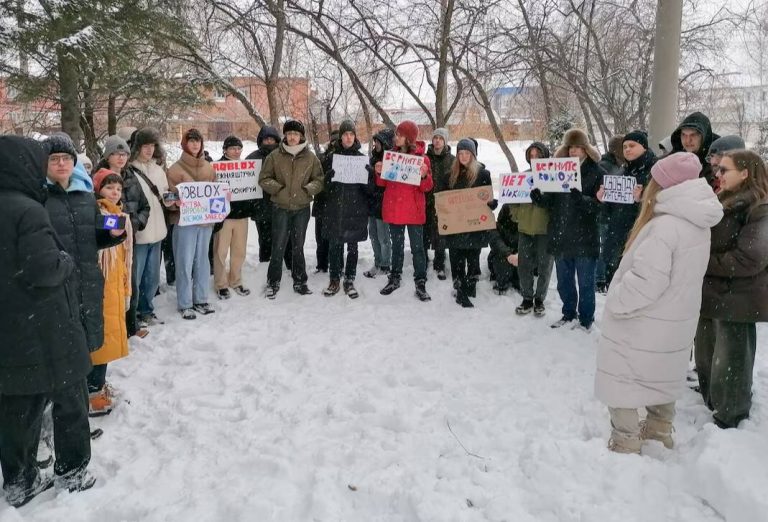
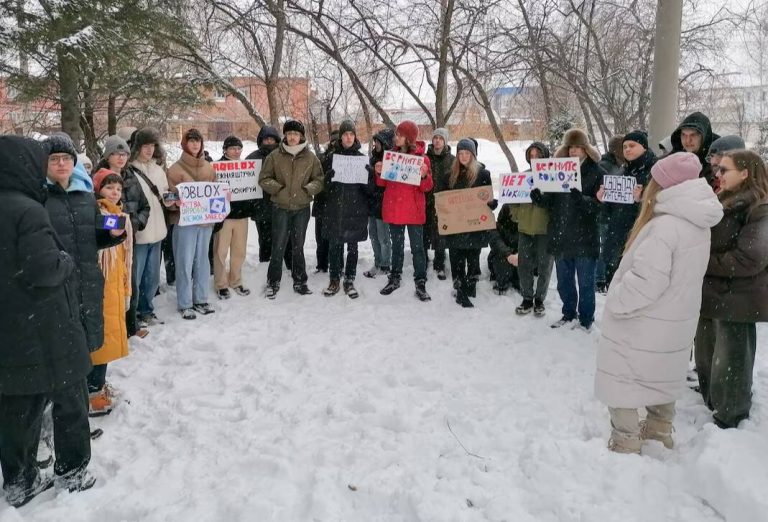
The protests in Tomsk, which were organized by a group of parents and gamers, highlight the growing resistance to censorship in Russia. The protesters, who were mostly young people and parents, carried signs and banners that read “Free Roblox” and “Don’t censor the internet.” The protests were peaceful, but they marked a rare instance of public dissent in a country where opposition to government policies is often met with repression.
The debate over the Roblox ban has also sparked a wider conversation about the role of technology in society and the impact of censorship on children. Many experts argue that censorship is not an effective way to protect children from harm, as it can often drive them to seek out alternative and potentially more dangerous sources of information. Others have pointed out that Roblox, like many other online platforms, has its own built-in safety features and moderation tools that are designed to protect users from harm.
The Russian government’s decision to ban Roblox has also been criticized by human rights groups and free speech advocates, who argue that it is a clear example of overreach and abuse of power. The ban has been seen as part of a broader crackdown on freedom of expression in Russia, where the government has been increasingly using censorship and repression to silence dissenting voices.
In recent years, Russia has implemented a series of laws and regulations that are designed to restrict online freedom and impose greater control over the internet. The so-called “Yarovaya law,” which was passed in 2016, requires telecommunications companies to store the personal data of users for up to six months and make it available to law enforcement agencies upon request. The law has been widely criticized by human rights groups and technology companies, who argue that it is a clear example of mass surveillance and a threat to online privacy.
The ban on Roblox has also raised concerns about the impact of censorship on the economy and innovation. Roblox is a popular platform that allows users to create and play a wide range of games, and it has been credited with helping to promote STEM education and develop important skills like coding and game design. By banning the platform, the Russian government may be inadvertently stifling innovation and creativity, as well as limiting the opportunities available to young people in the country.
In conclusion, the Roblox ban in Russia has sparked a rare protest and debate over censorship, child safety, and the role of technology in society. While the Russian government has justified the ban on the grounds of child safety, many have questioned the motivations behind it and argued that it is a thinly veiled attempt to exert control over the flow of information and ideas. The ban has also raised concerns about the effectiveness of censorship in the digital age, where children can easily bypass bans using VPNs and other circumvention tools. As the debate over the Roblox ban continues, it is clear that the issue of censorship and online freedom will remain a contentious and highly contested issue in Russia and around the world.
About the Author