Roblox ban in Russia sparks protest, debate on censorship
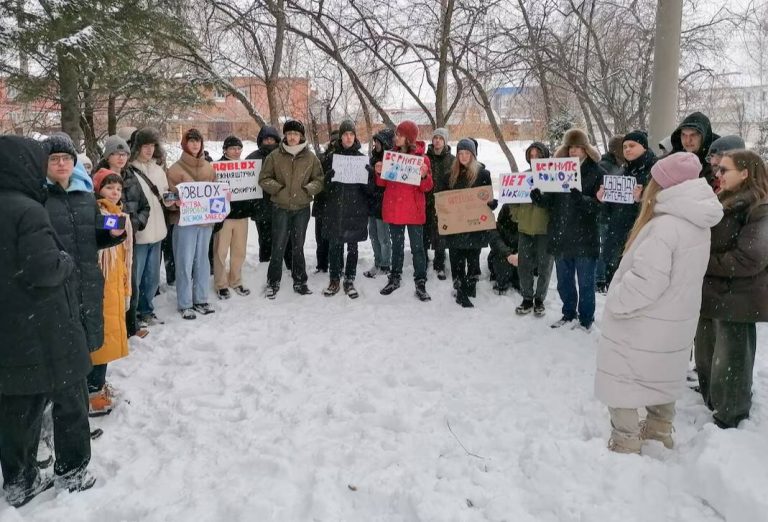
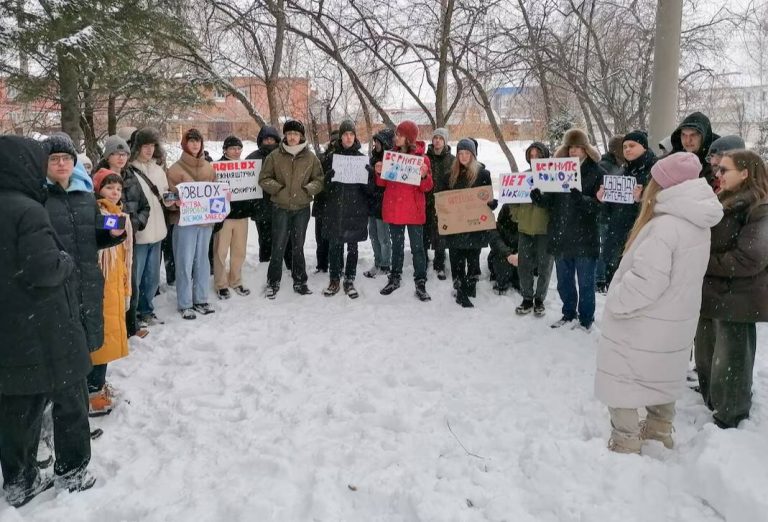
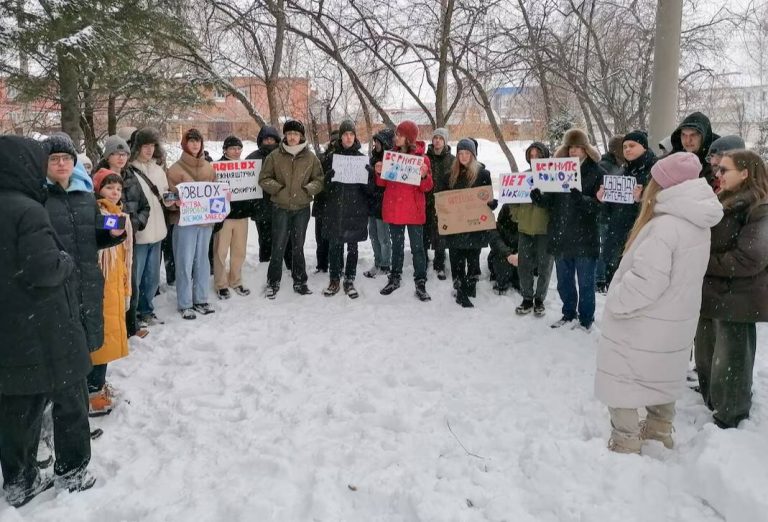
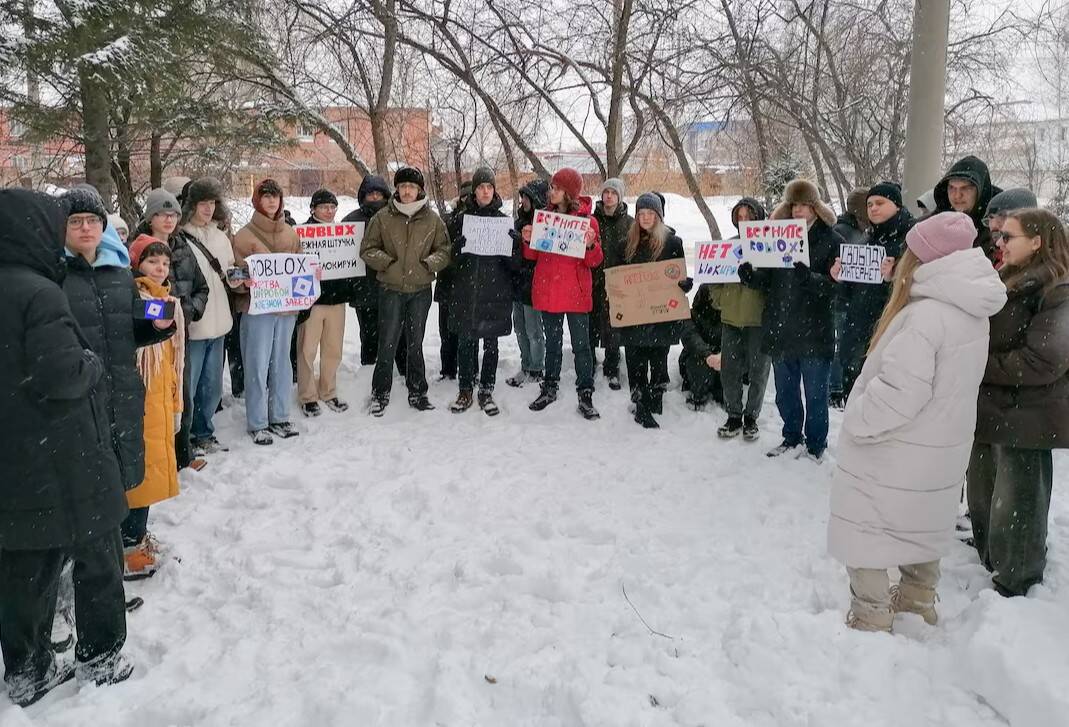
In a move that has sparked widespread outrage and debate, Russia has banned the popular online gaming platform Roblox, citing concerns over child safety and the spread of “extremist” ideologies. The ban, which was implemented in early December, has been met with rare protests in the Siberian city of Tomsk, where gamers and parents have taken to the streets to express their opposition to the move.
Although Russia has a history of blocking or restricting social media platforms, including Snapchat, Facebook, Instagram, and YouTube, the ban on Roblox has struck a chord with the country’s youth. Roblox, which allows users to create and play a wide range of games, has become a staple of online entertainment for many Russian children, and the ban has left them feeling frustrated and disenfranchised.
The protests in Tomsk, which have been largely peaceful, have drawn attention to the broader debate over censorship in Russia. While the government has argued that the ban is necessary to protect children from harmful content, many critics argue that it is a heavy-handed and ineffective measure that will only serve to drive the problem underground.
One of the main concerns surrounding the ban is the impact it will have on child safety. While the Russian government has argued that Roblox is a breeding ground for “extremist” ideologies and child predators, many experts argue that the platform is no more or less safe than other social media platforms. In fact, Roblox has a number of built-in safety features, including parental controls and moderation tools, that are designed to protect users from harm.
Moreover, the ban on Roblox has raised questions about the effectiveness of censorship in the digital age. With the widespread availability of virtual private networks (VPNs) and other circumvention tools, it is relatively easy for children to bypass the ban and continue accessing the platform. This has led many to argue that the ban is little more than a symbolic gesture, and that it will ultimately do little to address the underlying issues surrounding child safety and online extremism.
The debate over censorship in Russia is not new, and the ban on Roblox is just the latest in a long line of measures aimed at restricting online freedom. In recent years, the Russian government has blocked or restricted access to a number of social media platforms, including Twitter, TikTok, and Telegram, citing concerns over national security and the spread of “fake news”.
However, the ban on Roblox has sparked a rare outcry from Russian citizens, who are increasingly frustrated with the government’s heavy-handed approach to online censorship. Many argue that the ban is a clear example of overreach, and that it will ultimately harm the country’s economy and reputation.
As one protester in Tomsk noted, “The ban on Roblox is not just about the platform itself, it’s about the broader issue of online freedom and censorship. We want to be able to access the information and entertainment we want, without the government telling us what we can and can’t do.”
The protest in Tomsk has also drawn attention to the issue of technology and its role in shaping online discourse. While the Russian government has argued that the ban on Roblox is necessary to protect children from harm, many experts argue that it is a clear example of how technology can be used to restrict online freedom.
In the end, the ban on Roblox in Russia is a complex issue that raises important questions about censorship, child safety, and the role of technology in shaping online discourse. While the Russian government has argued that the ban is necessary to protect children from harm, many critics argue that it is a heavy-handed and ineffective measure that will ultimately do more harm than good.
As the debate over the ban continues to unfold, one thing is clear: the issue of online censorship is not going away anytime soon. Whether or not the ban on Roblox is ultimately successful in achieving its goals, it has sparked a important conversation about the role of government in regulating online activity, and the need for a more nuanced and effective approach to addressing the complex issues surrounding child safety and online extremism.
News Source: https://www.reuters.com/business/media-telecom/russian-ban-roblox-gaming-platform-sparks-rare-protest-2025-12-14/
About the Author