Roblox ban in Russia sparks protest, debate on censorship
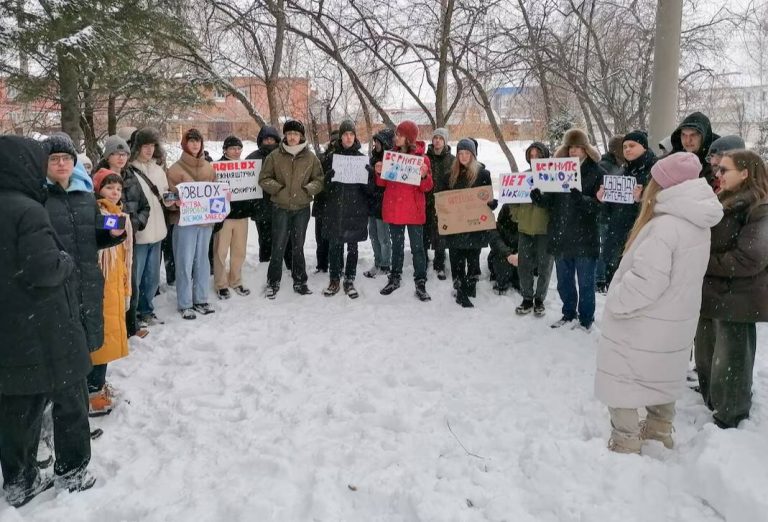
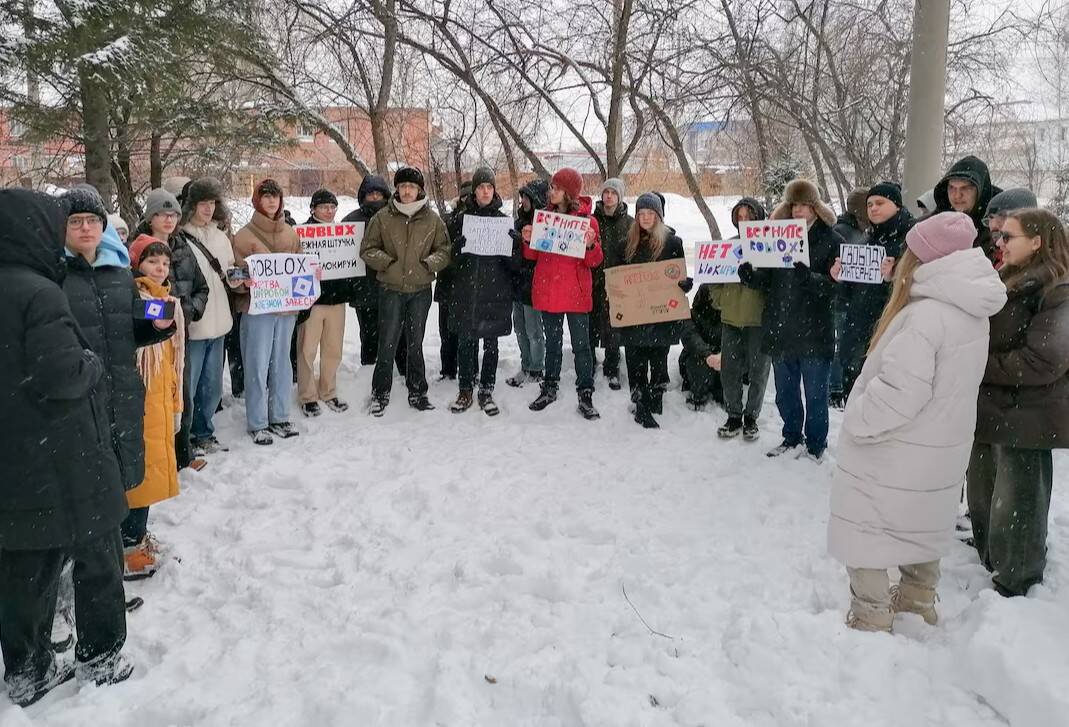
In a move that has sent shockwaves through the online gaming community, Russia has banned the popular gaming platform Roblox, sparking opposition and protests in the Siberian city of Tomsk. The ban, which was announced in early December, has not only raised concerns about censorship but also highlighted the challenges of enforcing such restrictions in the digital age.
Although Russia has a history of blocking or restricting social media platforms like Snapchat, Facebook, Instagram, and YouTube, the ban on Roblox has brought rare protests to the streets. The demonstrations, which were largely peaceful, saw gamers and parents voicing their opposition to the ban, arguing that it was an overreach of government authority and an infringement on their right to free expression.
At the heart of the debate is the issue of child safety. Roblox, which allows users to create and play a wide range of games, has been criticized for its lack of effective moderation and the potential for children to be exposed to inappropriate content. The Russian government has cited these concerns as the reason for the ban, arguing that it is necessary to protect children from the potential harms of the platform.
However, many argue that the ban is an overly broad solution to a complex problem. Rather than addressing the root causes of the issue, the government has chosen to simply block access to the platform, a move that is seen as a form of censorship. This approach has been criticized for being heavy-handed and ineffective, as it is easy for children to bypass the ban using virtual private networks (VPNs) or other technologies.
The debate over the Roblox ban has also highlighted the challenges of regulating the online world. In an age where technology is constantly evolving, it is becoming increasingly difficult for governments to keep pace with the latest developments. The use of VPNs, for example, has made it easy for users to circumvent bans and access blocked content, rendering such restrictions largely ineffective.
Furthermore, the ban on Roblox has raised questions about the role of government in regulating online activity. While there is a clear need to protect children from harm, there is also a need to balance this with the right to free expression and the freedom to access information. The Russian government’s approach has been criticized for being too heavy-handed, with many arguing that it is an example of overreach and an attempt to exert control over the online world.
The protests in Tomsk have also highlighted the growing awareness and activism of online communities. The demonstrations, which were organized largely through social media, show that gamers and online users are no longer willing to accept restrictions on their freedom without a fight. This growing awareness and activism are likely to be a major challenge for governments in the future, as online communities become increasingly vocal and demanding of their rights.
In conclusion, the ban on Roblox in Russia has sparked a rare protest and debate over censorship, child safety, and the effectiveness of censorship in the digital age. While the government’s concerns about child safety are legitimate, the approach taken has been criticized for being overly broad and ineffective. The use of VPNs and other technologies has made it easy for children to bypass the ban, rendering it largely ineffective. As the online world continues to evolve, it is clear that governments will need to find new and more effective ways to regulate online activity, balancing the need to protect children with the right to free expression and access to information.
The debate over the Roblox ban is likely to continue, with many arguing that it is an important test case for the future of online regulation. As online communities become increasingly vocal and demanding of their rights, governments will need to find ways to address their concerns while also protecting children and maintaining public safety. The outcome of this debate will have significant implications for the future of the online world, and it is essential that governments, online communities, and technology companies work together to find solutions that balance competing interests and priorities.
News Source: https://www.reuters.com/business/media-telecom/russian-ban-roblox-gaming-platform-sparks-rare-protest-2025-12-14/
About the Author