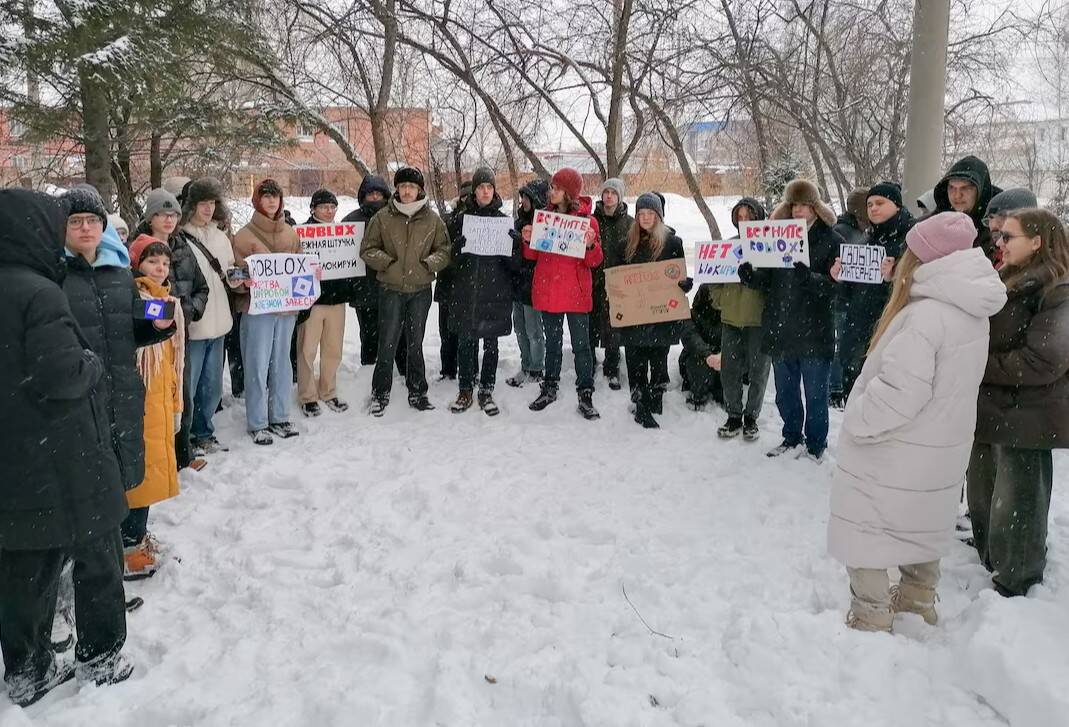
Roblox ban in Russia sparks protest, debate on censorship
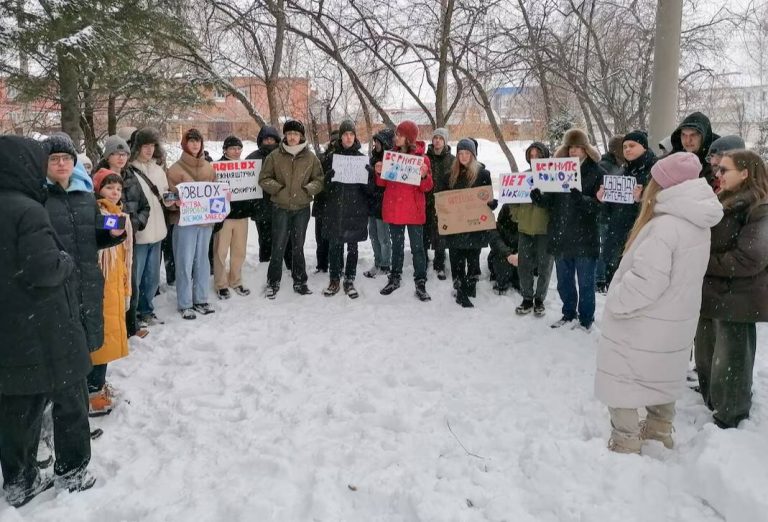
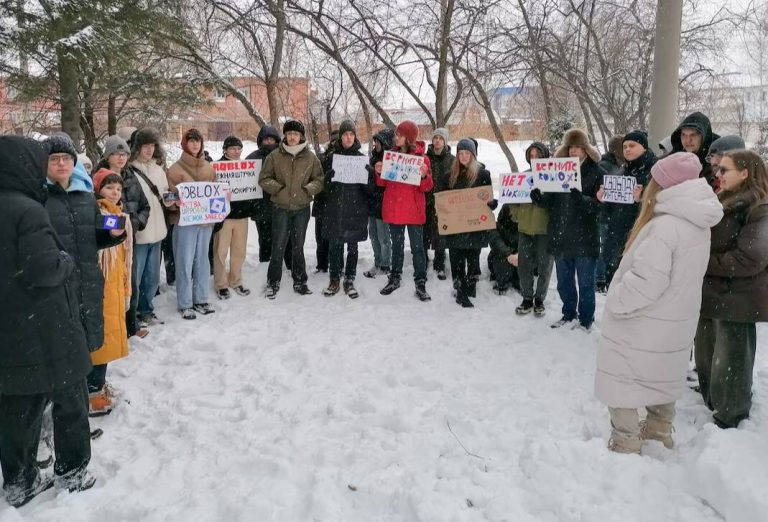
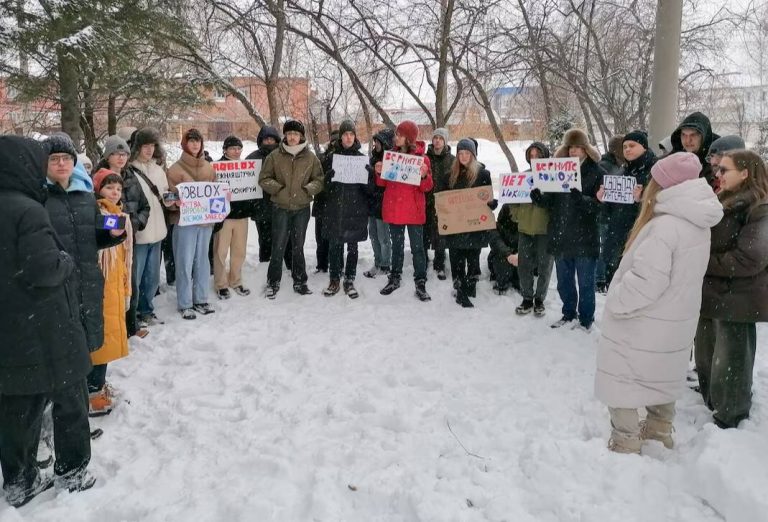
In a move that has sparked widespread opposition and debate, Russia has banned the popular online gaming platform Roblox in the country. The ban, which was announced in early December, has been met with rare protests in the Siberian city of Tomsk, where gamers and parents have taken to the streets to express their discontent. The ban on Roblox is the latest in a series of restrictions imposed by the Russian government on social media platforms and online services, including Snapchat, Facebook, Instagram, and YouTube.
While Russia has a history of blocking or restricting access to social media platforms and online services, the ban on Roblox has brought a rare level of protest and debate over censorship, child safety, and the effectiveness of such measures in the digital age. The ban has also highlighted the challenges faced by governments in regulating online content and the impact of such measures on freedom of expression and access to information.
Roblox, which was launched in 2004, is a popular online gaming platform that allows users to create and play a wide range of games, from first-person shooters to role-playing games. The platform has over 100 million monthly active users, many of whom are children and teenagers. The platform’s popularity has led to concerns over child safety, with some critics arguing that the platform’s chat function and user-generated content can expose children to inappropriate or harmful material.
The Russian government has cited concerns over child safety as the reason for the ban, with officials claiming that the platform’s content is “inappropriate” for children and that it poses a threat to their “physical and mental health.” However, many gamers and parents have disputed this claim, arguing that the platform provides a safe and creative space for children to express themselves and interact with others.
The ban on Roblox has sparked a heated debate over censorship and the role of government in regulating online content. While some argue that the ban is necessary to protect children from harm, others see it as an overreach of government authority and a threat to freedom of expression. The ban has also raised questions about the effectiveness of such measures in the digital age, where children can easily bypass bans using VPNs and other technologies.
The protests in Tomsk, which were organized by a group of gamers and parents, have drawn attention to the issue and highlighted the level of opposition to the ban. The protests, which were peaceful and orderly, saw demonstrators holding signs and banners calling for the ban to be lifted and for the government to respect the rights of gamers and parents.
The debate over the ban on Roblox has also highlighted the challenges faced by governments in regulating online content. While governments have a responsibility to protect children from harm, they must also balance this with the need to respect the rights of citizens to freedom of expression and access to information. The use of VPNs and other technologies has made it increasingly difficult for governments to enforce bans and restrictions on online content, and has raised questions about the effectiveness of such measures.
In addition to the debate over censorship and child safety, the ban on Roblox has also highlighted the importance of online platforms in providing a space for children to express themselves and interact with others. Roblox and other online gaming platforms provide a unique space for children to develop social skills, creativity, and problem-solving abilities, and the ban has been seen as a threat to these benefits.
The ban on Roblox is also part of a broader trend of censorship and restriction of online content in Russia. In recent years, the Russian government has blocked or restricted access to a number of social media platforms and online services, including Snapchat, Facebook, Instagram, and YouTube. The government has cited concerns over national security and the spread of “extremist” content as the reason for these bans, but critics argue that they are an attempt to suppress dissent and limit freedom of expression.
In conclusion, the ban on Roblox in Russia has sparked a rare level of protest and debate over censorship, child safety, and the effectiveness of such measures in the digital age. While the government has cited concerns over child safety as the reason for the ban, many gamers and parents have disputed this claim, arguing that the platform provides a safe and creative space for children to express themselves and interact with others. The ban has highlighted the challenges faced by governments in regulating online content and the importance of balancing the need to protect children from harm with the need to respect the rights of citizens to freedom of expression and access to information.
About the Author