Roblox ban in Russia sparks protest, debate on censorship
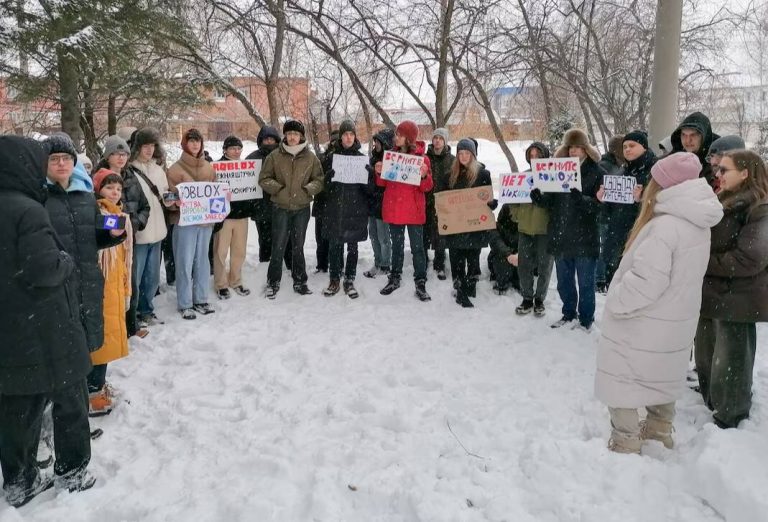
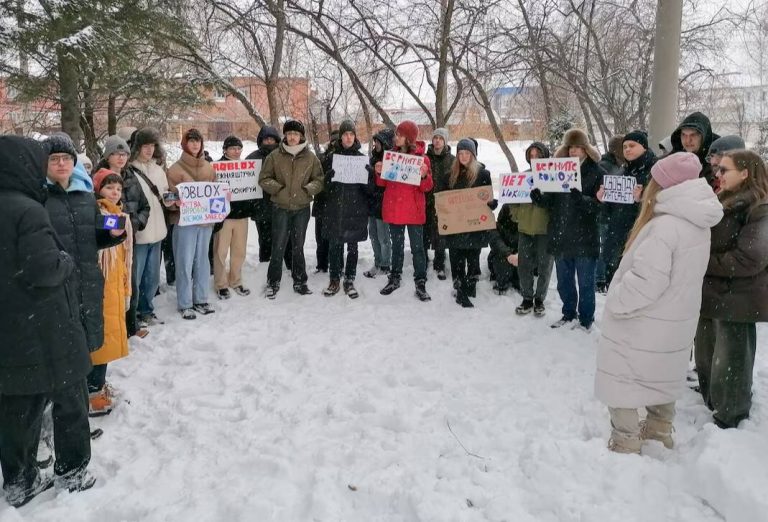
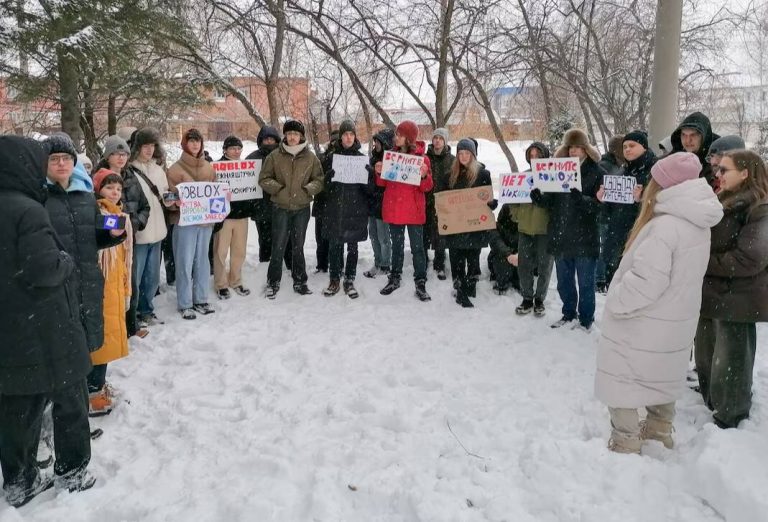
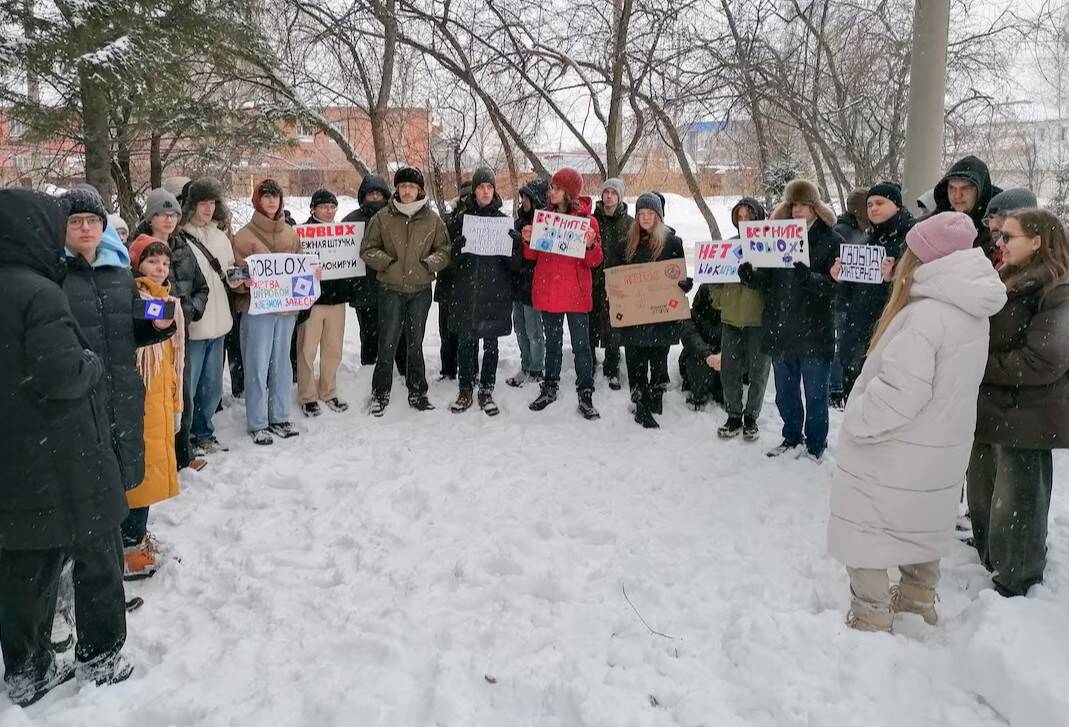
In a move that has sparked widespread opposition and debate, Russia has banned the popular online gaming platform Roblox in the Siberian city of Tomsk. The ban, which was implemented in early December, has led to rare protests in the city, with many young people taking to the streets to express their discontent. The decision to block Roblox has also ignited a heated discussion on censorship, child safety, and the effectiveness of such measures in the digital age.
Roblox, a platform that allows users to create and play a wide variety of games, has become incredibly popular among children and teenagers in recent years. With over 100 million monthly active users, it is one of the most widely used online gaming platforms in the world. However, Russian authorities have deemed the platform to be a threat to child safety, citing concerns over the potential for children to be exposed to inappropriate content and online predators.
While Russia has a history of blocking and restricting social media platforms, including Snapchat, Facebook, Instagram, and YouTube, the ban on Roblox has been met with unusual resistance. Protesters in Tomsk have taken to the streets, holding signs and chanting slogans in opposition to the ban. The protests have been largely peaceful, but they demonstrate the strength of feeling among young people in Russia who are opposed to the government’s decision.
The ban on Roblox has also sparked a wider debate about censorship and its effectiveness in the digital age. Many experts argue that such measures are often ineffective, as children can easily bypass bans using virtual private networks (VPNs) and other technologies. This raises questions about the wisdom of implementing such bans, and whether they are truly effective in protecting children from harm.
Furthermore, the ban on Roblox has also highlighted the tension between the need to protect children from online harm and the need to respect their rights to freedom of expression and access to information. While the Russian government may have legitimate concerns about the safety of children online, the ban on Roblox has been criticized for being overly broad and heavy-handed.
In addition to the protests and debate, the ban on Roblox has also had significant implications for the online gaming community in Russia. Many young people who use the platform to create and play games have seen their livelihoods and hobbies disrupted, and are now facing uncertainty about the future of online gaming in the country.
The Russian government has defended its decision to ban Roblox, citing concerns about the platform’s content and the potential for children to be exposed to harm. However, many experts argue that the ban is a form of censorship that is not only ineffective but also counterproductive. By driving online activity underground, the ban may actually increase the risks faced by children, rather than reducing them.
As the debate over the ban on Roblox continues, it is clear that the issue is complex and multifaceted. While the Russian government has a responsibility to protect children from harm, it is also important to respect their rights to freedom of expression and access to information. The use of censorship and bans as a means of controlling online activity is a blunt instrument that may not be effective in achieving its intended goals.
In conclusion, the ban on Roblox in Russia has sparked a rare protest and debate about censorship, child safety, and the effectiveness of such measures in the digital age. While the Russian government may have legitimate concerns about the safety of children online, the ban on Roblox has been criticized for being overly broad and heavy-handed. As the online gaming community in Russia continues to navigate the implications of the ban, it is clear that the issue is complex and multifaceted, and that a more nuanced approach may be needed to balance the need to protect children with the need to respect their rights to freedom of expression and access to information.
About the Author