Roblox ban in Russia sparks protest, debate on censorship
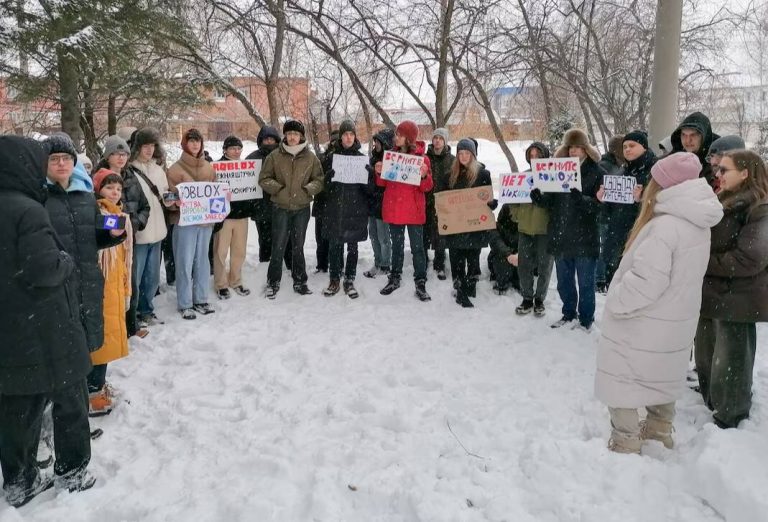
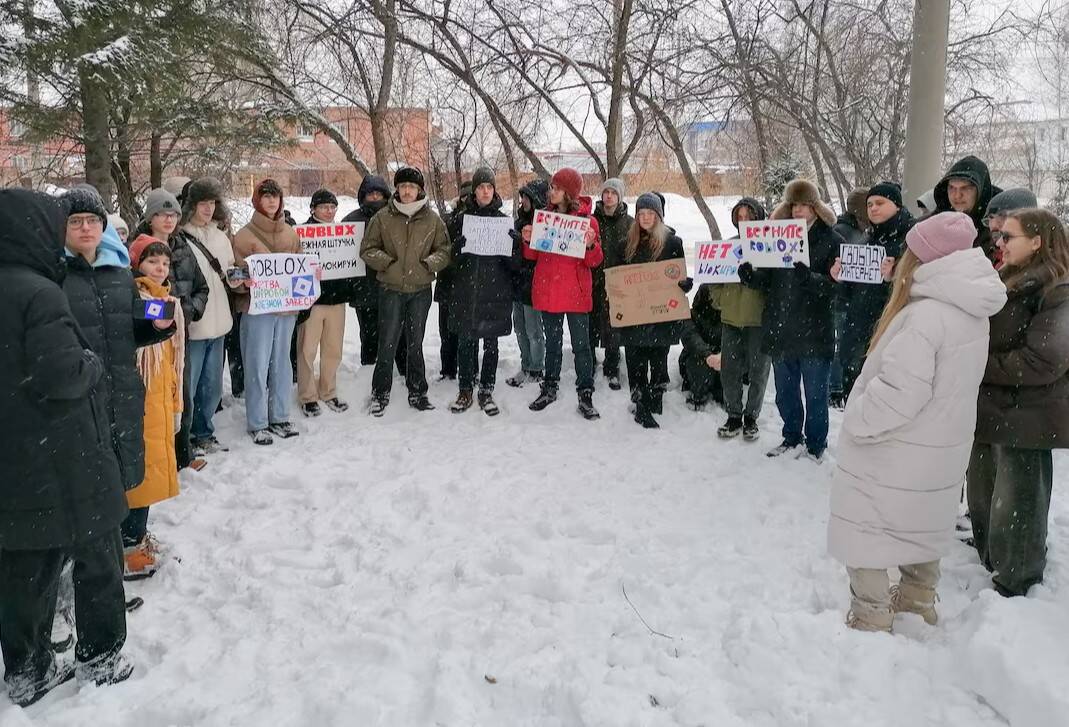
In a move that has sparked widespread controversy and opposition, Russia has banned the popular online gaming platform Roblox in the country. The ban, which was announced in early December, has been met with protests in the Siberian city of Tomsk, where a group of young gamers and their parents took to the streets to express their dissatisfaction with the decision. Although Russia has a history of blocking or restricting social media platforms like Snapchat, Facebook, Instagram, and YouTube, the ban on Roblox has brought rare protests and has triggered a debate over censorship, child safety, and the effectiveness of such measures in the digital age.
Roblox, which allows users to create and play a wide variety of games, has been a popular platform among children and teenagers in Russia, with millions of users in the country. The platform’s popularity can be attributed to its unique gameplay, which allows users to interact with each other in a virtual environment, creating their own games and experiences. However, the Russian government has cited concerns over child safety and the spread of “extremist” ideologies as the reason for the ban.
The ban on Roblox has been met with widespread criticism from gamers, parents, and human rights groups, who argue that the move is an example of excessive censorship and an attempt to restrict freedom of expression. The protesters in Tomsk, who were mostly young people and their parents, held signs that read “Unblock Roblox” and “We want to play,” and chanted slogans against the government’s decision. The protest was peaceful, but it marked a rare instance of public dissent in Russia, where opposition to government decisions is often met with repression.
The debate over the ban on Roblox has also sparked a discussion about the effectiveness of censorship in the digital age. With the widespread availability of virtual private networks (VPNs) and other technologies that allow users to bypass internet restrictions, many have questioned the usefulness of such bans. Children and teenagers, who are often more tech-savvy than their parents, can easily find ways to access blocked websites and platforms, rendering the ban ineffective.
Moreover, the ban on Roblox has raised concerns about the impact on child safety, which was cited as one of the reasons for the ban. While the Russian government has argued that the platform poses a risk to children, many experts argue that a blanket ban is not the solution. Instead, they suggest that the government should work with the platform’s developers to implement stricter safety measures and regulations to protect children from harm.
The ban on Roblox is not an isolated incident in Russia, where the government has a history of restricting access to social media platforms and online content. In recent years, the government has blocked or restricted access to platforms like Snapchat, Facebook, Instagram, and YouTube, citing concerns over national security and the spread of “extremist” ideologies. However, the ban on Roblox has sparked a rare protest, highlighting the growing dissatisfaction among young people and their parents with the government’s censorship policies.
The protest in Tomsk has also highlighted the growing importance of online platforms and digital technologies in the lives of young people. For many children and teenagers, online platforms like Roblox are not just a form of entertainment, but also a way to connect with others, learn new skills, and express themselves. The ban on Roblox has deprived them of this opportunity, and has sparked a sense of frustration and disillusionment among young people.
In conclusion, the ban on Roblox in Russia has sparked a rare protest and has triggered a debate over censorship, child safety, and the effectiveness of such measures in the digital age. While the Russian government has cited concerns over child safety and national security as the reason for the ban, many have questioned the usefulness of such a move, given the widespread availability of technologies that allow users to bypass internet restrictions. As the debate over the ban on Roblox continues, it remains to be seen how the Russian government will respond to the growing dissatisfaction among young people and their parents, and whether it will reconsider its censorship policies in the light of the protest.
About the Author