Roblox Ban in Russia Sparks Protest, Debate on Censorship
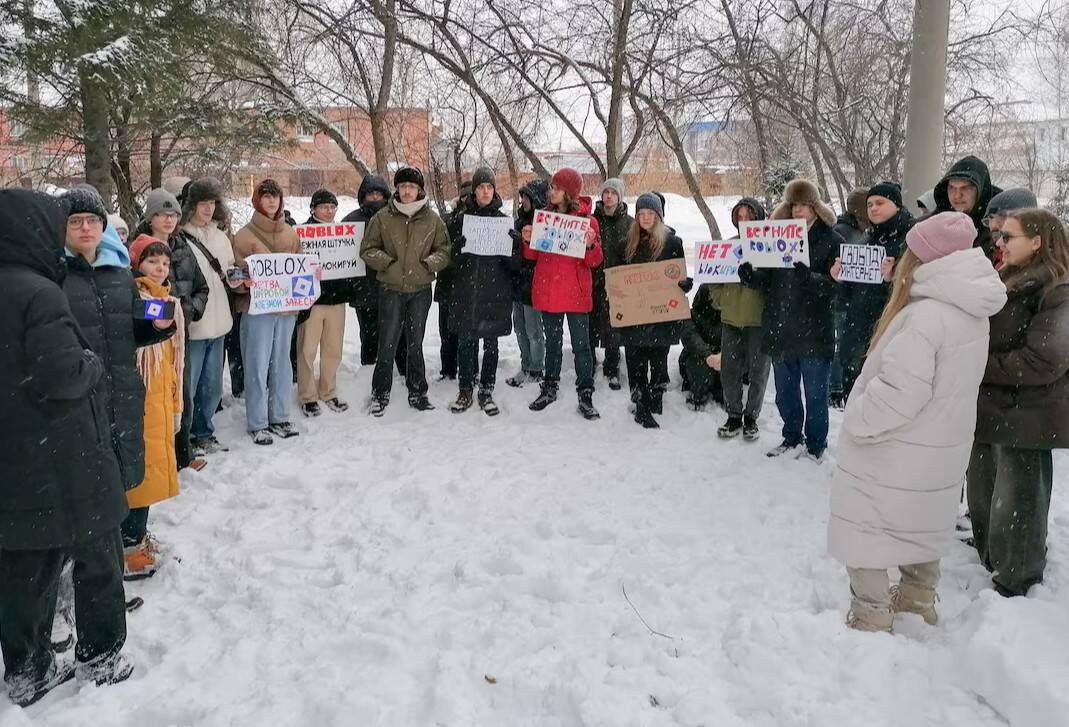
In a move that has sparked widespread opposition and debate, Russia banned the popular gaming platform Roblox in early December. The ban, which was announced by the Russian government, has been met with rare protests in the Siberian city of Tomsk, where gamers and parents have taken to the streets to express their discontent. Although Russia has a history of blocking or restricting social media platforms like Snapchat, Facebook, Instagram, and YouTube, the Roblox ban has brought a unique set of concerns to the forefront, including censorship, child safety, and the effectiveness of such measures in a world where children can easily bypass bans using VPNs.
For those who may not be familiar, Roblox is a popular online gaming platform that allows users to create and play a wide variety of games, from first-person shooters to role-playing games. The platform has gained immense popularity among children and teenagers, with over 100 million active users worldwide. However, the Russian government has cited concerns over the platform’s content, claiming that it promotes “homosexuality” and “pedophilia,” and has therefore deemed it unsuitable for Russian children.
The protests in Tomsk, which were organized by a group of parents and gamers, highlight the growing discontent among Russians with the government’s increasing efforts to control and censor online content. The protesters argue that the ban is an overreach of government power and an infringement on their right to freedom of expression. They also point out that the ban is unlikely to be effective, as children can easily access the platform using VPNs or other circumvention tools.
The debate over the Roblox ban has also sparked a wider conversation about censorship and child safety in Russia. While the government claims that the ban is necessary to protect children from harmful content, many experts argue that it is a misguided effort that will ultimately do more harm than good. They point out that the ban will not only deprive children of a popular and educational platform, but also drive them to seek out alternative, potentially more harmful, sources of online entertainment.
Furthermore, the ban has raised questions about the effectiveness of censorship in a world where technology is constantly evolving. With the widespread availability of VPNs and other circumvention tools, it is becoming increasingly easy for children to bypass government-imposed bans and access restricted content. This has led many to wonder whether the Russian government’s efforts to control online content are ultimately futile, and whether they would be better off focusing on educating children and parents about online safety and responsible internet use.
The Roblox ban is not the first time that Russia has attempted to restrict online content. In recent years, the government has blocked or restricted access to a number of social media platforms, including Snapchat, Facebook, Instagram, and YouTube. However, the Roblox ban is unique in that it has sparked rare protests and widespread debate about the role of government in regulating online content.
As the debate over the Roblox ban continues to unfold, it is clear that the issue is not just about a single gaming platform, but about the broader implications of government censorship and control. In a world where technology is constantly evolving, it is becoming increasingly important for governments to strike a balance between protecting children and respecting the rights of citizens to freedom of expression. Whether the Russian government’s efforts to ban Roblox will ultimately be successful remains to be seen, but one thing is clear: the debate over censorship and online content is far from over.
In conclusion, the Roblox ban in Russia has sparked a rare protest and debate over censorship, child safety, and the effectiveness of government control over online content. As the world becomes increasingly digital, it is essential for governments to find a balance between protecting children and respecting the rights of citizens to freedom of expression. The Russian government’s efforts to ban Roblox may be well-intentioned, but they also raise important questions about the role of government in regulating online content and the impact of such measures on society as a whole.
News Source: https://www.reuters.com/business/media-telecom/russian-ban-roblox-gaming-platform-sparks-rare-protest-2025-12-14/
About the Author