Roblox ban in Russia sparks protest, debate on censorship
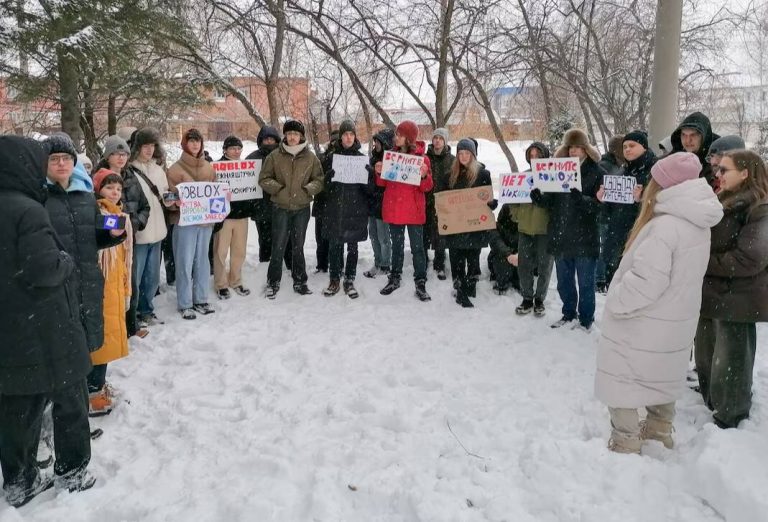
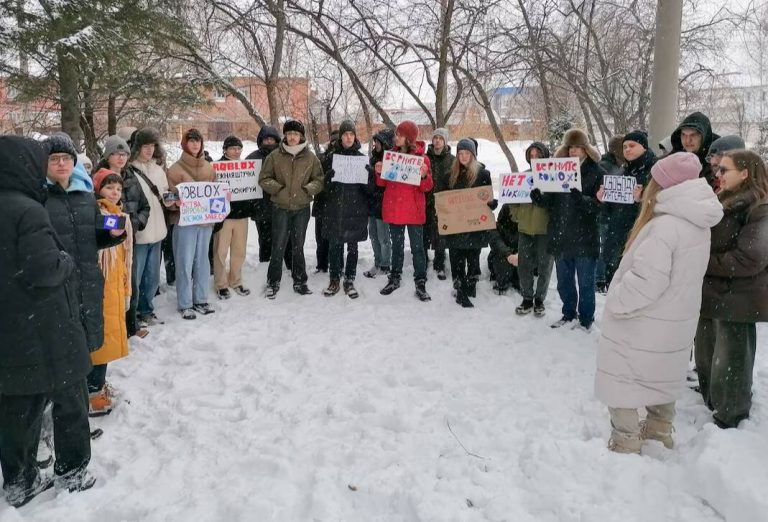
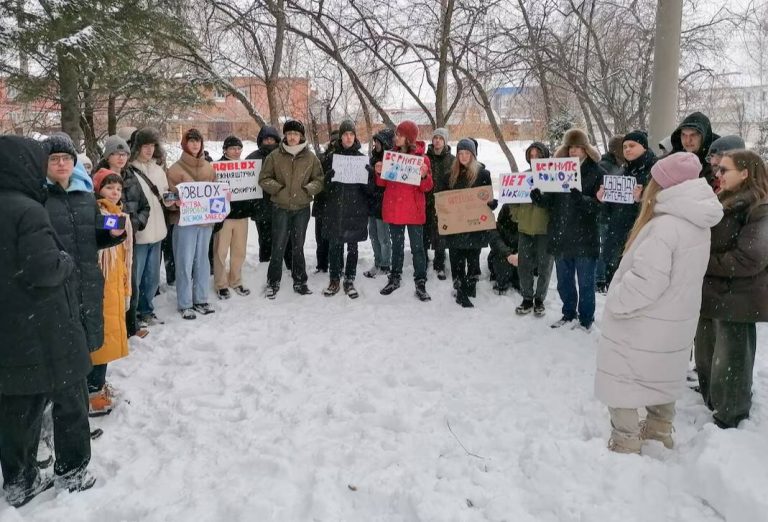
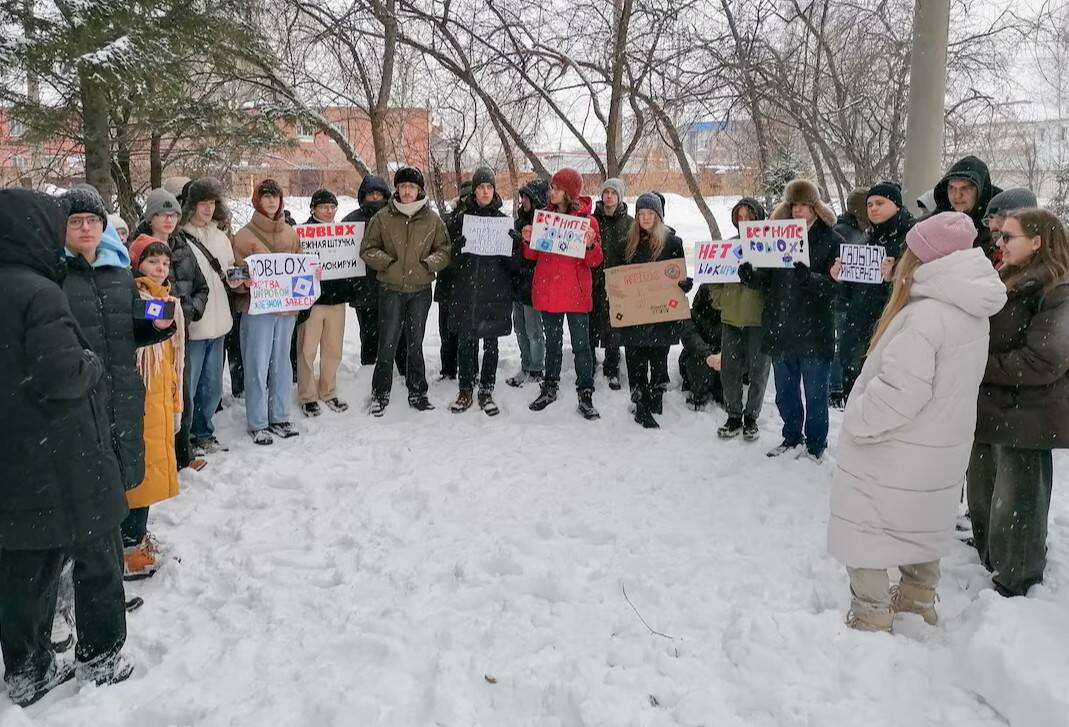
In a move that has sparked widespread opposition and debate, Russia has banned the popular online gaming platform Roblox in the country. The ban, which was announced in early December, has been met with rare protests in the Siberian city of Tomsk, where gamers and parents have taken to the streets to express their discontent.
The ban on Roblox is not an isolated incident, as Russia has a history of blocking or restricting access to social media platforms like Snapchat, Facebook, Instagram, and YouTube. However, the move to ban Roblox has brought rare protests, highlighting the popularity of the platform among Russian gamers, particularly children.
Roblox, which allows users to create and play a wide range of games, has become a staple of online gaming in Russia, with millions of users in the country. The platform’s popularity stems from its user-friendly interface, vast game library, and social features that allow players to interact with each other.
The Russian government’s decision to ban Roblox has been met with criticism from gamers, parents, and experts, who argue that the move is an example of excessive censorship. The government has cited concerns over child safety and the potential for the platform to be used for spreading extremist ideologies. However, many argue that the ban is an overreach and that the government should focus on educating children and parents about online safety rather than restricting access to popular platforms.
The protests in Tomsk, which have been peaceful and organized by local gamers and parents, have highlighted the frustration and disappointment felt by many in the community. Protesters have argued that the ban is unfair and that it will not achieve its intended goal of protecting children. Instead, they argue that the ban will drive gamers to use virtual private networks (VPNs) and other tools to bypass the restrictions, which could put them at greater risk.
The debate over the Roblox ban has also sparked a wider discussion about censorship, technology, and child safety in Russia. Many experts argue that the ban is a classic example of the “whack-a-mole” approach to censorship, where governments try to restrict access to one platform, only to have users find alternative ways to access it. This approach, they argue, is ineffective and can have unintended consequences, such as driving users to darker corners of the internet.
Moreover, the ban has raised questions about the role of technology in regulating online content. While the Russian government has argued that the ban is necessary to protect children, many experts argue that technology can be used to achieve this goal without resorting to blanket bans. For example, platforms like Roblox can use algorithms and machine learning to detect and remove harmful content, while also providing parents with tools to monitor their children’s online activity.
The effectiveness of censorship in the digital age is also a topic of debate. With the widespread availability of VPNs and other tools, it is becoming increasingly easy for users to bypass restrictions and access blocked platforms. This has raised questions about the wisdom of attempting to restrict access to online platforms, particularly in a world where children are increasingly tech-savvy.
In conclusion, the ban on Roblox in Russia has sparked a rare protest and debate over censorship, child safety, and technology. While the government has cited concerns over child safety, many argue that the ban is an overreach and that it will not achieve its intended goal. Instead, experts argue that the government should focus on educating children and parents about online safety and using technology to regulate online content. As the debate continues, it remains to be seen whether the ban will be effective in achieving its intended goal or whether it will drive users to find alternative ways to access the platform.
About the Author