Roblox Ban in Russia Sparks Protest, Debate on Censorship
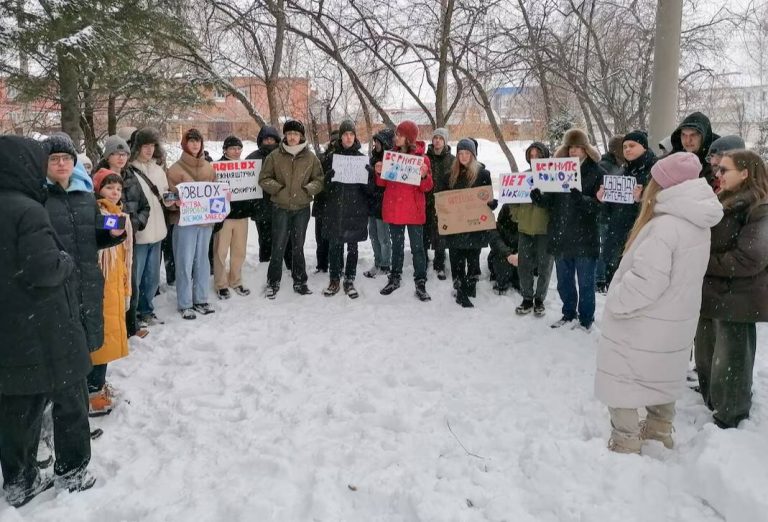
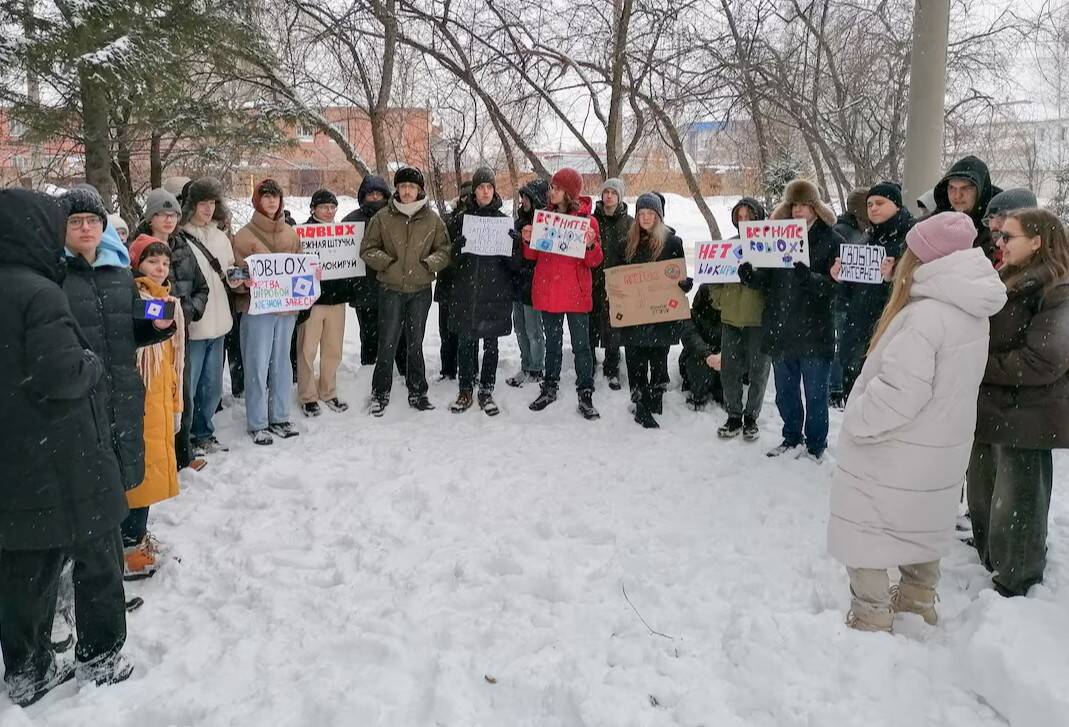
In a move that has sparked widespread outrage and debate, Russia has banned the popular online gaming platform Roblox, citing concerns over child safety and the spread of extremist ideologies. The ban, which was announced in early December, has been met with rare protests in the Siberian city of Tomsk, where hundreds of young people took to the streets to express their opposition to the move.
The ban on Roblox is the latest in a series of restrictions imposed by the Russian government on social media platforms and online services. In recent years, Russia has blocked or restricted access to platforms like Snapchat, Facebook, Instagram, and YouTube, citing concerns over national security and the spread of extremist content. However, the ban on Roblox has sparked a particularly strong reaction, with many young people in Russia taking to social media to express their outrage and disappointment.
The protests in Tomsk, which were organized by a group of local teenagers, drew attention to the issue of censorship and the impact of the ban on young people in Russia. The protesters, who were largely peaceful, carried signs and banners calling for the ban to be lifted and for the Russian government to respect the rights of young people to freedom of expression and access to information.
The ban on Roblox has also sparked a wider debate over the issue of censorship and the effectiveness of such measures in the digital age. Many experts have argued that the ban is unlikely to be effective in achieving its stated goals, as young people in Russia can easily bypass the restrictions using virtual private networks (VPNs) and other technologies.
“Censorship is not an effective way to protect children or prevent the spread of extremist ideologies,” said one expert, who wished to remain anonymous. “In fact, it can often have the opposite effect, driving young people to seek out alternative sources of information and entertainment that may be even more problematic.”
The issue of child safety is also a complex one, with many experts arguing that the Russian government’s approach is overly simplistic and fails to take into account the nuances of the online world. While Roblox has faced criticism in the past over its handling of online safety and moderation, many experts believe that the platform has made significant strides in recent years to improve its safety features and protect young users.
“Roblox has a robust system of moderation and safety features in place, including parental controls and reporting mechanisms,” said another expert. “The platform also has a strong focus on community and user-generated content, which can be a powerful tool for promoting positive values and behaviors among young people.”
The debate over the Roblox ban has also highlighted the challenges faced by governments in regulating the online world and balancing the need to protect young people with the need to respect their rights to freedom of expression and access to information. In an era where technology is evolving rapidly and young people are increasingly savvy and connected, traditional approaches to censorship and regulation may no longer be effective.
As one protester in Tomsk put it, “We’re not just fighting for the right to play Roblox, we’re fighting for the right to freedom of expression and access to information. We believe that the government should be working to educate and empower young people, rather than trying to control and restrict them.”
The Roblox ban has also sparked concerns about the impact on the online gaming community in Russia, where the platform has a significant following. Many gamers in Russia have expressed disappointment and frustration at the move, which they see as an attack on their freedom to play and socialize online.
The ban has also raised questions about the role of technology in promoting social change and mobilization. The protests in Tomsk, which were organized largely through social media, demonstrate the power of online platforms to bring people together and facilitate collective action.
In conclusion, the Roblox ban in Russia has sparked a rare and significant protest, as well as a wider debate over the issue of censorship and the effectiveness of such measures in the digital age. While the Russian government has cited concerns over child safety and national security, many experts believe that the ban is unlikely to achieve its stated goals and may even have unintended consequences.
As the world becomes increasingly connected and online platforms continue to play a larger role in our lives, the issue of censorship and regulation is likely to remain a contentious and complex one. However, one thing is clear: the ban on Roblox has sparked a important conversation about the need to balance the need to protect young people with the need to respect their rights to freedom of expression and access to information.
About the Author