Roblox ban in Russia sparks protest, debate on censorship
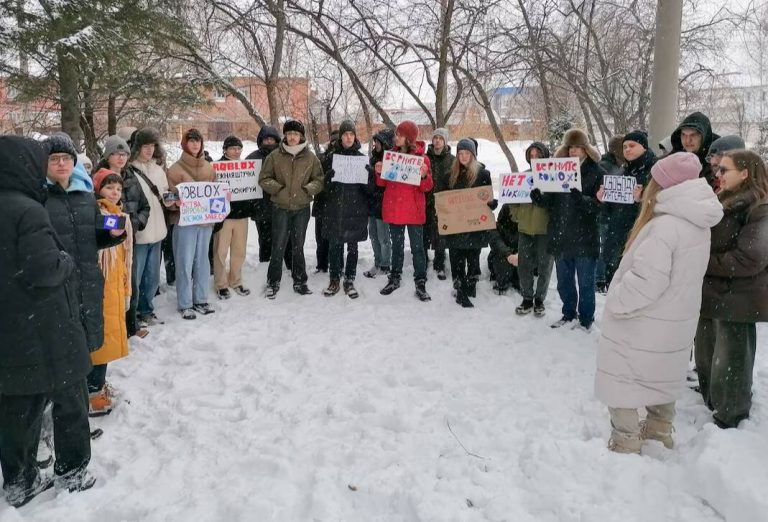
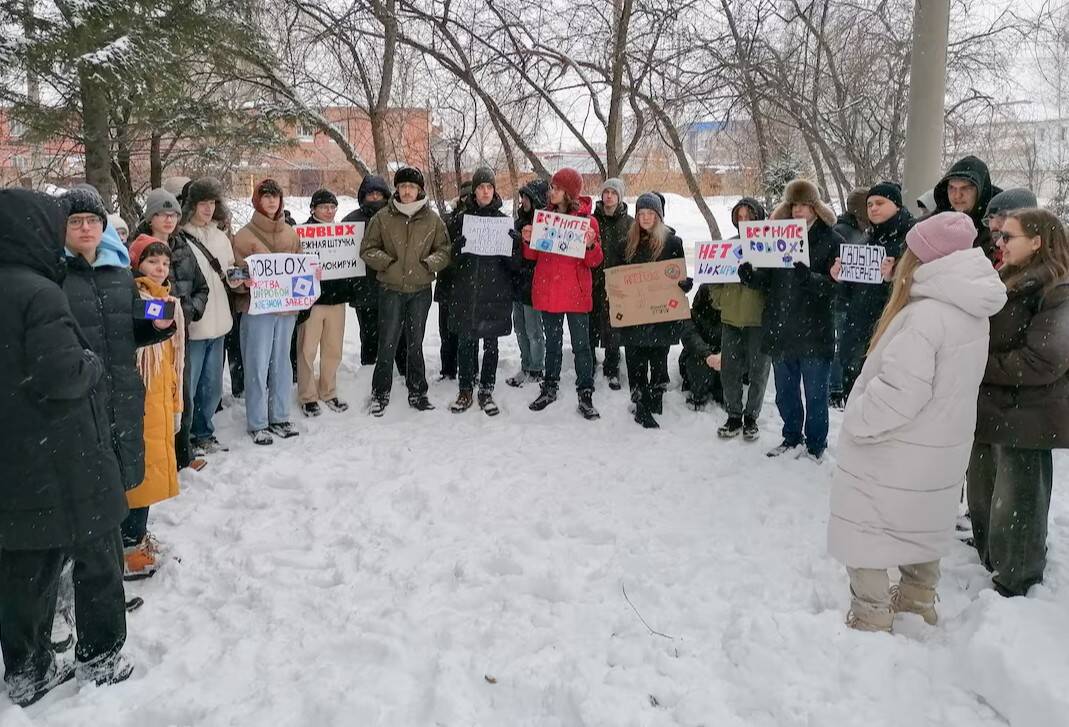
In a move that has sparked widespread opposition and debate, Russia has banned the popular online gaming platform Roblox, effective early December. The ban, which was implemented in the Siberian city of Tomsk, has brought rare protests from residents, who are arguing against the government’s decision to restrict access to the platform. This move is not unprecedented, as Russia has a history of blocking or restricting social media platforms like Snapchat, Facebook, Instagram, and YouTube. However, the Roblox ban has ignited a fierce debate over censorship, child safety, and the effectiveness of such measures in a world where children can easily bypass bans using VPNs.
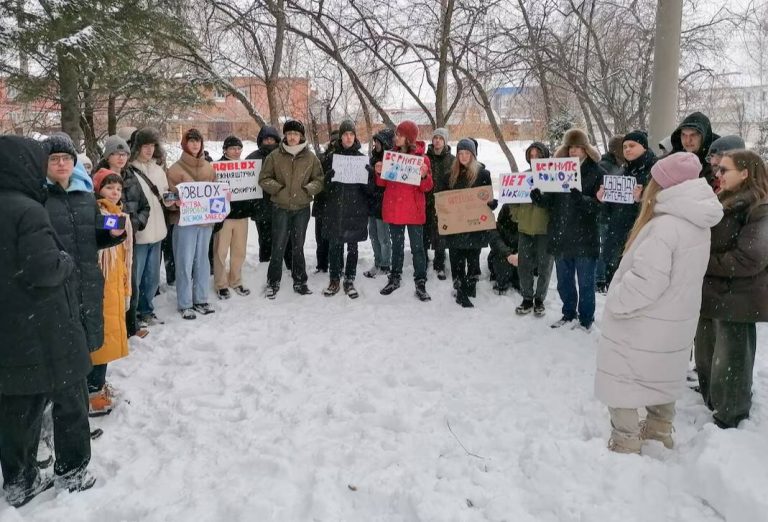
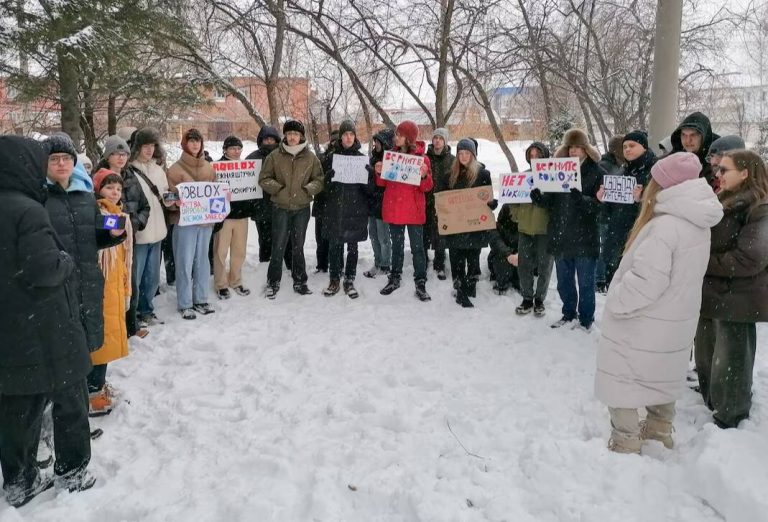
The protests in Tomsk, a city located in western Siberia, are a rare occurrence in Russia, where dissent is often met with swift suppression. However, the ban on Roblox has clearly struck a chord with the local community, with many residents taking to the streets to express their opposition to the government’s decision. The protesters argue that the ban is an overreach of the government’s authority and an infringement on their freedom of expression. They also point out that the ban will not achieve its intended purpose of protecting children from harmful content, as kids can easily access the platform using VPNs or other circumvention tools.
The debate over the Roblox ban has also sparked a wider discussion on the issue of censorship in Russia. The government has long been criticized for its restrictive policies on freedom of expression, with many arguing that the authorities are using censorship as a tool to suppress dissent and maintain control. The ban on Roblox is seen as yet another example of this trend, with many arguing that it is a thinly veiled attempt to restrict access to information and stifle online activity.
One of the main concerns cited by the Russian government for banning Roblox is the potential harm that the platform can cause to children. The government argues that the platform contains content that is not suitable for minors, and that it can expose them to online predators and other safety risks. However, many experts argue that this is a flawed rationale, as the platform has built-in safety features and moderation tools that are designed to protect users from harm. Moreover, they point out that banning the platform outright is not an effective solution, as it will only drive users to find alternative ways to access the platform.
The issue of child safety is a complex one, and it is true that online platforms like Roblox can pose risks to minors. However, many experts argue that the solution lies in education and awareness, rather than censorship. By educating children and parents about online safety and the potential risks associated with online activity, the government can empower them to make informed decisions about their online behavior. This approach is not only more effective but also more respectful of individual freedoms and rights.
Another issue that the Roblox ban has highlighted is the effectiveness of censorship in a world where technology is constantly evolving. With the widespread availability of VPNs and other circumvention tools, it is becoming increasingly easy for users to bypass bans and access restricted content. This raises questions about the wisdom of implementing blanket bans, as they can often have unintended consequences and be easily circumvented.
In the case of the Roblox ban, it is likely that many users will find ways to access the platform despite the government’s restrictions. This will not only undermine the effectiveness of the ban but also drive users to seek out alternative platforms that may be less safe and less regulated. This could ultimately have the opposite effect of what the government intended, as users may be exposed to even greater risks and harm.
In conclusion, the ban on Roblox in Russia has sparked a rare protest and debate over censorship, child safety, and the effectiveness of such measures. While the government’s concerns about child safety are understandable, the solution lies in education and awareness rather than censorship. The ban on Roblox is a flawed approach that will not achieve its intended purpose and will only drive users to find alternative ways to access the platform. As the world becomes increasingly digital, it is essential to find a balance between protecting users from harm and respecting their individual freedoms and rights.
About the Author