Roblox Ban in Russia Sparks Protest, Debate on Censorship
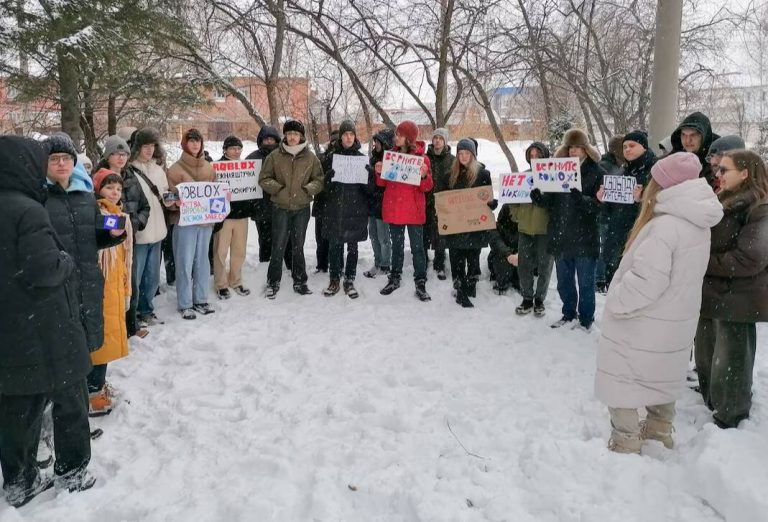
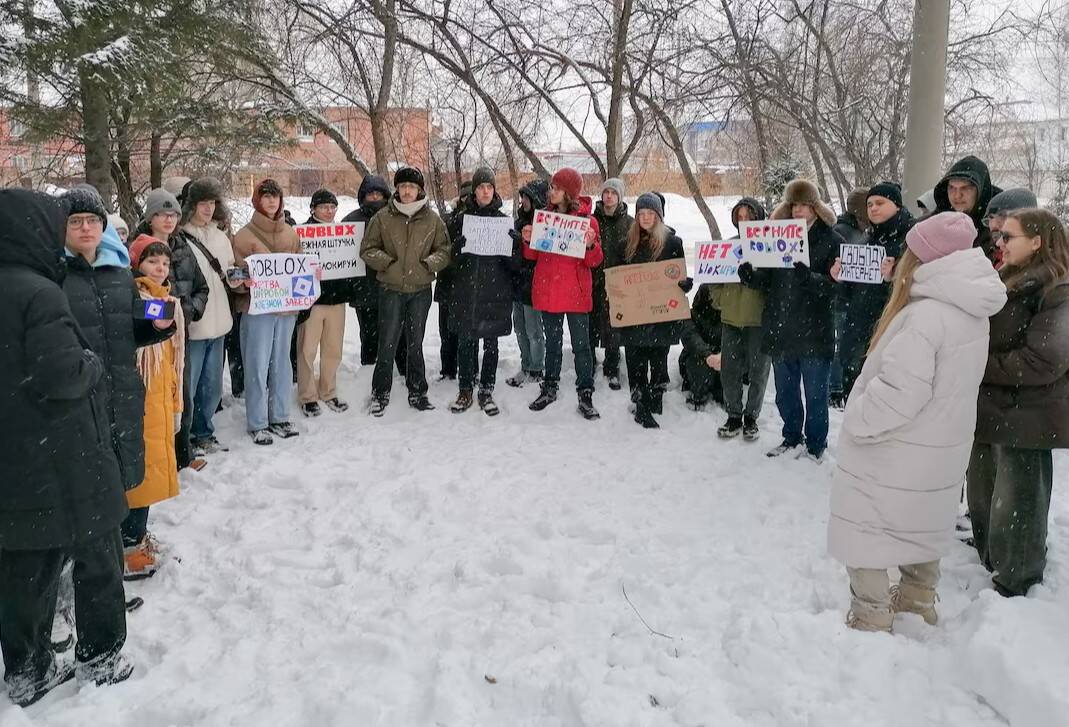
In a move that has sent shockwaves through the online gaming community, Russia has banned the popular gaming platform Roblox, sparking rare protests in the Siberian city of Tomsk. The ban, which was announced in early December, has not only drawn opposition from gamers but has also triggered a heated debate over censorship, child safety, and the effectiveness of such measures in the digital age.
Roblox, a platform that allows users to create and play a wide variety of games, has become a staple of online entertainment for children and teenagers around the world. With its vast library of user-generated games, Roblox has become a go-to destination for kids looking to explore their creativity and connect with friends. However, the platform’s popularity has also raised concerns about child safety, with some critics arguing that it lacks adequate safeguards to protect young users from online predators and explicit content.
Russia’s decision to ban Roblox is not entirely surprising, given the country’s history of restrictive internet policies. In recent years, Russia has blocked or restricted access to several social media platforms, including Snapchat, Facebook, Instagram, and YouTube, citing concerns over national security and the spread of misinformation. However, the ban on Roblox has sparked a rare and unexpected backlash, with protesters taking to the streets in Tomsk to express their opposition to the move.
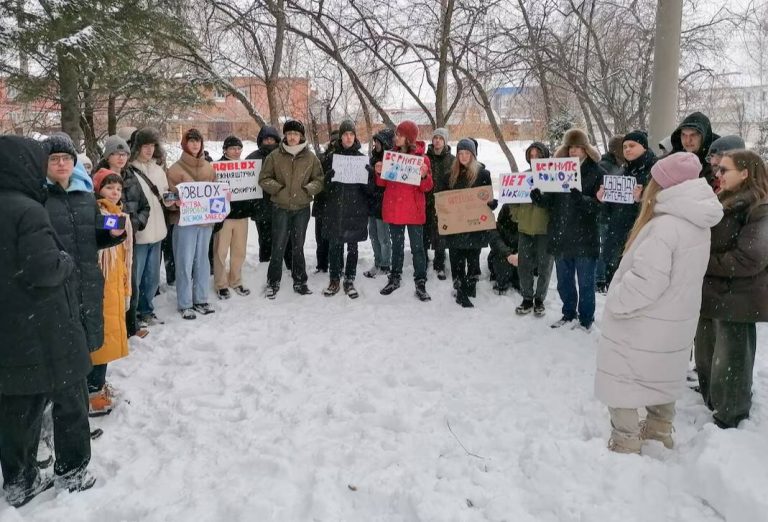
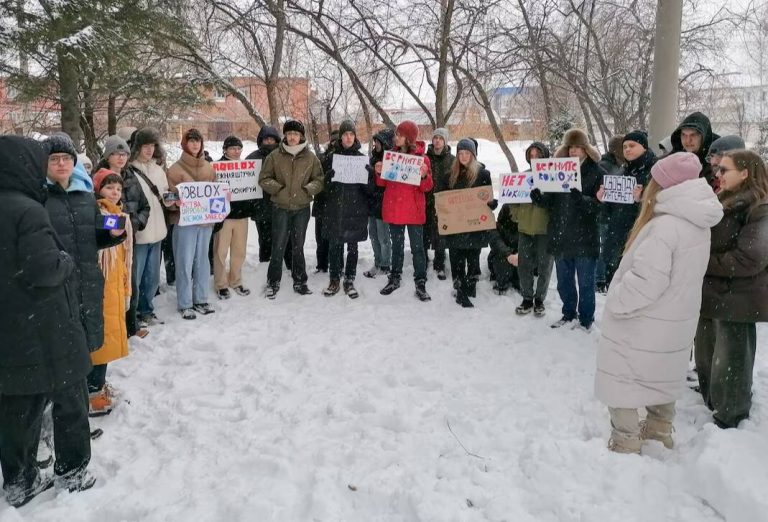
The protests in Tomsk, which were largely peaceful, saw demonstrators holding signs and chanting slogans in support of Roblox and against censorship. The rare display of public dissent highlights the depth of feeling among Russian gamers, who see the ban as an attack on their freedom of expression and their right to access online content. As one protester noted, “Roblox is more than just a game – it’s a community, a platform where we can express ourselves and connect with others. The ban is not just about Roblox; it’s about the government’s attempt to control what we can and cannot do online.”
The debate over the Roblox ban has also sparked a wider discussion about the effectiveness of censorship in the digital age. With the rise of virtual private networks (VPNs) and other technologies that allow users to bypass online restrictions, many experts argue that censorship is a futile effort. As one analyst noted, “The ban on Roblox is unlikely to achieve its intended goal of protecting children from online harm. Instead, it will simply drive users to find alternative ways to access the platform, such as through VPNs or other circumvention tools.”
Moreover, the ban on Roblox has raised concerns about the impact of censorship on child safety. While the Russian government has cited concerns over online predators and explicit content as the reason for the ban, many experts argue that such measures are misguided. As one child safety expert noted, “Banning Roblox will not make children safer online. Instead, it will simply push them to other platforms that may be less safe and less regulated. What we need is education and awareness about online safety, not censorship.”
The Roblox ban has also sparked a debate about the role of technology in shaping our online experiences. As one tech commentator noted, “The ban on Roblox highlights the tension between the government’s desire to control online content and the need for users to have access to information and entertainment. In a world where technology is constantly evolving, we need to find ways to balance these competing interests, rather than relying on blunt instruments like censorship.”
In conclusion, the ban on Roblox in Russia has sparked a rare and unexpected protest, as well as a heated debate over censorship, child safety, and the effectiveness of such measures in the digital age. While the Russian government may have cited concerns over online safety as the reason for the ban, many experts argue that such measures are misguided and unlikely to achieve their intended goal. As we move forward in an increasingly digital world, it is essential that we find ways to balance the need for online safety with the need for freedom of expression and access to information.
For more information on this story, please visit: https://www.reuters.com/business/media-telecom/russian-ban-roblox-gaming-platform-sparks-rare-protest-2025-12-14/
About the Author