Roblox ban in Russia sparks protest, debate on censorship
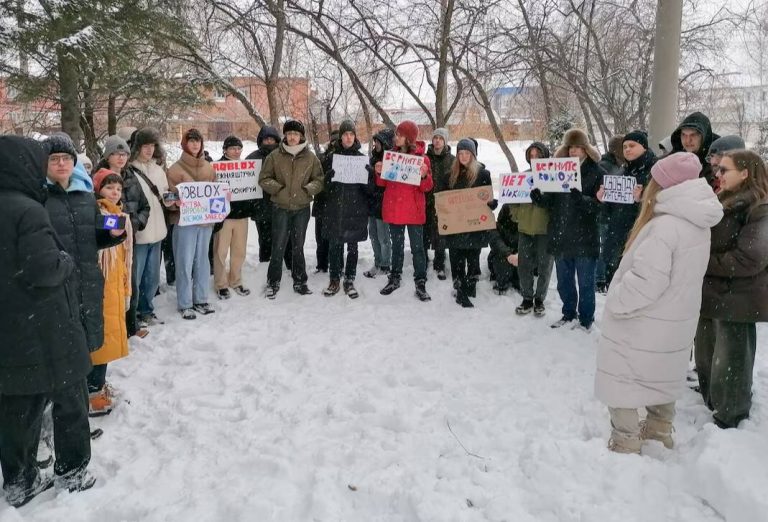
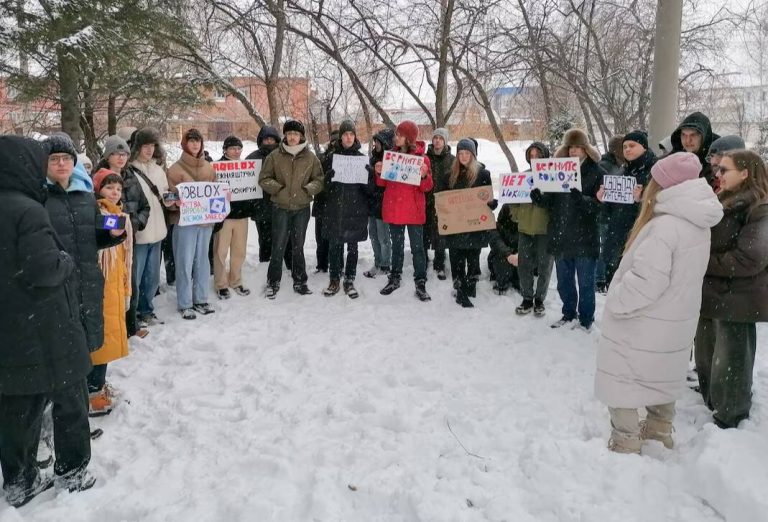
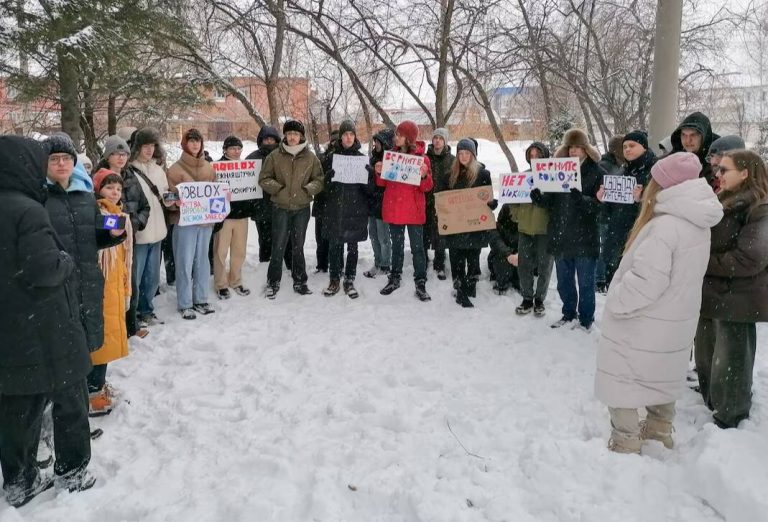
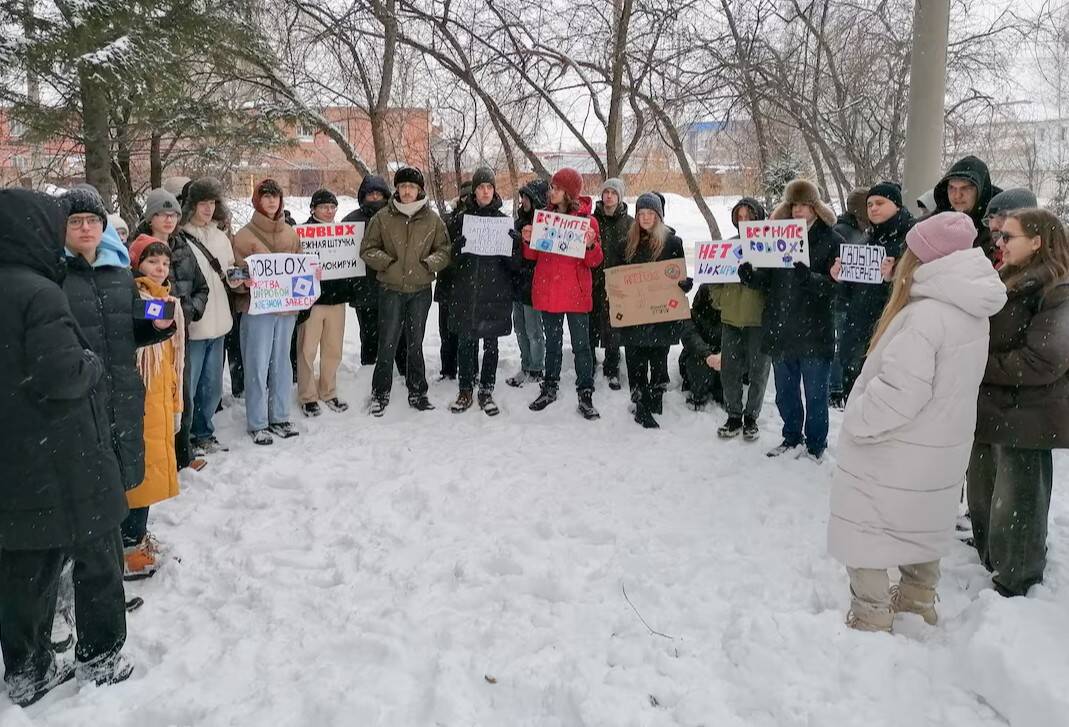
In a move that has sparked widespread opposition and debate, Russia has banned the popular online gaming platform Roblox in the country. The ban, which was implemented in early December, has been met with rare protests in the Siberian city of Tomsk, where hundreds of young people took to the streets to express their discontent. The protests, which were largely peaceful, highlight the growing concern among Russian youth about the increasing restrictions on their online freedoms.
The ban on Roblox is not an isolated incident, as Russia has been cracking down on social media platforms and online services in recent years. The country has blocked or restricted access to platforms like Snapchat, Facebook, Instagram, and YouTube, citing concerns over national security and the protection of children. However, the ban on Roblox has brought a rare and unexpected level of opposition, with many young people taking to the streets to protest the move.
At the heart of the debate over the Roblox ban is the issue of censorship and its effectiveness in a world where technology is constantly evolving. While the Russian government has cited concerns over child safety as the reason for the ban, many experts argue that such measures are not only ineffective but also counterproductive. With the widespread availability of Virtual Private Networks (VPNs) and other tools that allow users to bypass online restrictions, many children are able to access banned platforms with ease.
Moreover, the ban on Roblox has raised questions about the role of government in regulating online content and the impact on freedom of expression. While the Russian government has argued that the ban is necessary to protect children from harmful content, many critics argue that such measures are a form of censorship that undermines the principles of free speech and open communication. The protests in Tomsk, which were largely organized through social media platforms, highlight the importance of online spaces for young people to express themselves and connect with others.
The debate over the Roblox ban has also sparked a wider conversation about the impact of censorship on society. While the Russian government has argued that the ban is necessary to protect children, many experts argue that such measures can have unintended consequences, such as driving online activity underground and making it harder to monitor and regulate. Moreover, the ban on Roblox has raised concerns about the potential for over-censorship, where legitimate online content is blocked or restricted, undermining the principles of free speech and open communication.
In addition to the protests in Tomsk, the ban on Roblox has also sparked a lively debate online, with many young people taking to social media platforms to express their opinions and concerns. While some have argued that the ban is necessary to protect children, others have criticized the move as an example of government overreach and censorship. The online debate has highlighted the complexity of the issue, with many arguing that the ban is a simplistic solution to a complex problem.
The effectiveness of censorship in a world where children can bypass bans via VPNs is also a major concern. With the widespread availability of VPNs and other tools, many children are able to access banned platforms with ease, undermining the effectiveness of the ban. Moreover, the use of VPNs can also make it harder for authorities to monitor and regulate online activity, potentially creating a range of unintended consequences.
In conclusion, the ban on Roblox in Russia has sparked a rare and unexpected level of opposition, with many young people taking to the streets to protest the move. The debate over the ban has highlighted the complexity of the issue, with concerns over child safety, censorship, and the effectiveness of online restrictions. As the Russian government continues to crack down on online platforms and services, it remains to be seen how the situation will unfold and what the long-term implications will be for online freedoms in the country.
The ban on Roblox is a reminder that the online world is a complex and rapidly evolving space, where the boundaries between freedom of expression and regulation are constantly being tested. As governments around the world grapple with the challenges of regulating online content, it is essential to consider the potential consequences of censorship and the importance of protecting online freedoms.
Ultimately, the debate over the Roblox ban in Russia highlights the need for a nuanced and balanced approach to online regulation, one that takes into account the complexities of the online world and the need to protect both children and online freedoms. As the situation continues to unfold, it will be important to monitor the developments and consider the implications for online freedoms in Russia and beyond.
News source: https://www.reuters.com/business/media-telecom/russian-ban-roblox-gaming-platform-sparks-rare-protest-2025-12-14/
About the Author