Roblox ban in Russia sparks protest, debate on censorship
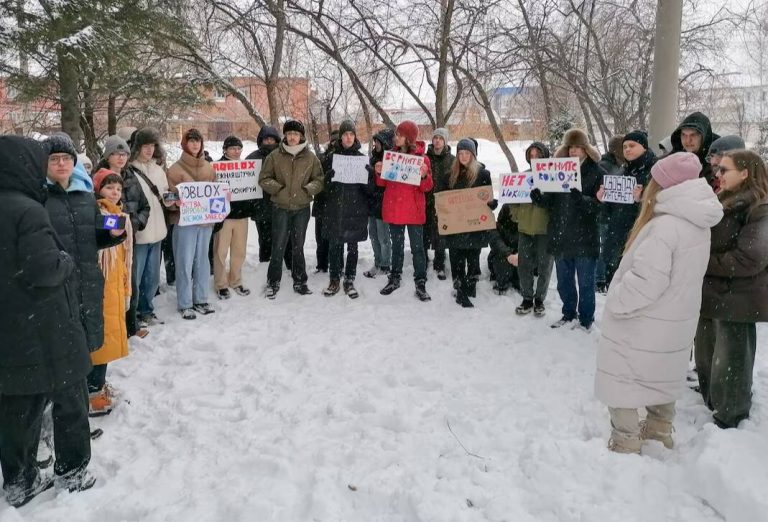
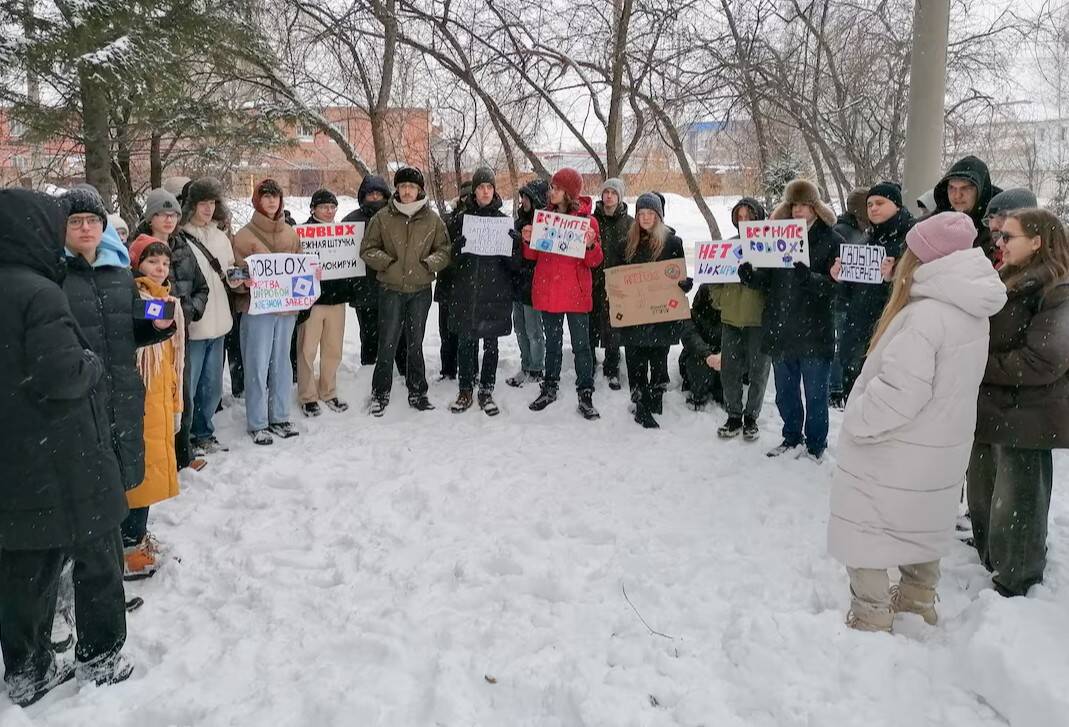
In a move that has sent shockwaves through the online gaming community, Russia has banned the popular gaming platform Roblox, sparking rare protests in the Siberian city of Tomsk. The ban, which was announced in early December, has not only drawn opposition from gamers but has also triggered a debate on censorship, child safety, and the effectiveness of such measures in the digital age.
Roblox, a platform that allows users to create and play a wide variety of games, has been a favorite among children and teenagers in Russia, with millions of users accessing the site every day. However, the Russian government has deemed the platform to be a threat to child safety, citing concerns over the potential for children to be exposed to explicit content and online predators.
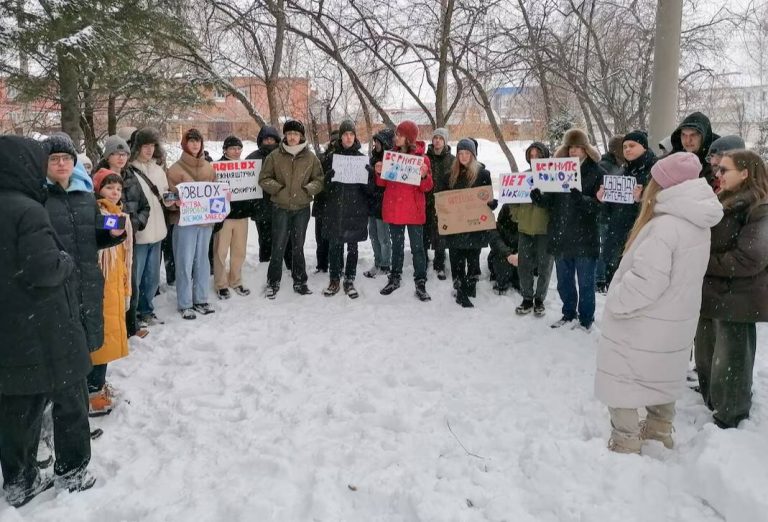
The ban on Roblox is not an isolated incident, as Russia has a history of blocking or restricting access to social media platforms like Snapchat, Facebook, Instagram, and YouTube. However, the move to ban Roblox has been met with unexpected resistance, with protesters taking to the streets in Tomsk to express their opposition to the ban.
The protests, which were largely organized by young people, highlight the growing frustration among Russians with the government’s increasing efforts to control the internet and restrict online freedom. The demonstrators argue that the ban on Roblox is an overreach of government authority and an attempt to stifle free speech and creativity.
The debate over the Roblox ban has also sparked a wider discussion on the issue of censorship and child safety. While some argue that the ban is necessary to protect children from the potential dangers of the online world, others contend that it is an overly broad measure that will ultimately prove ineffective.
One of the main concerns with the ban is that it will drive children to seek out alternative, potentially more dangerous, platforms to access the content they want. With the widespread availability of virtual private networks (VPNs), it is relatively easy for children to bypass the ban and continue accessing Roblox, potentially putting them at greater risk of exposure to explicit content or online predators.
Furthermore, the ban on Roblox has raised questions about the effectiveness of censorship in the digital age. With the ease of access to VPNs and other circumvention tools, it is becoming increasingly difficult for governments to control the flow of information online. This has led some to argue that censorship is a futile effort, and that governments should instead focus on educating children and parents about online safety and digital literacy.
The Russian government’s move to ban Roblox has also been criticized for its potential impact on the country’s tech industry. By restricting access to popular online platforms, the government may be inadvertently driving away investment and talent, ultimately harming the country’s economic development.
In conclusion, the ban on Roblox in Russia has sparked a rare protest and debate over censorship, child safety, and the effectiveness of such measures in the digital age. While the government’s concerns about child safety are valid, the move to ban Roblox has been met with opposition and criticism from many who argue that it is an overly broad measure that will ultimately prove ineffective.
As the debate continues, it remains to be seen how the Russian government will respond to the protests and criticism. One thing is certain, however: the issue of censorship and online freedom will continue to be a contentious one, both in Russia and around the world.
About the Author