Roblox Ban in Russia Sparks Protest, Debate on Censorship
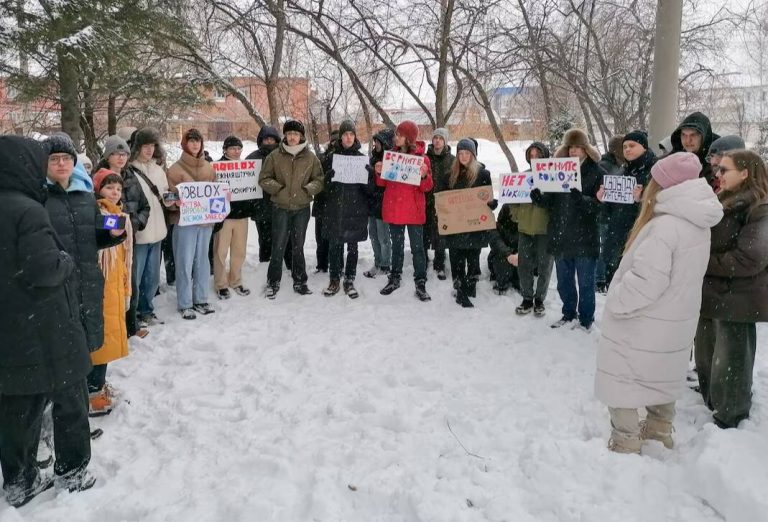
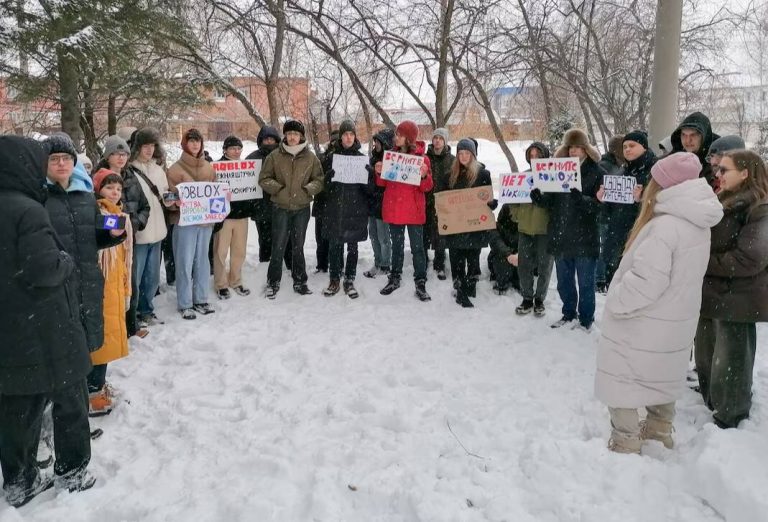
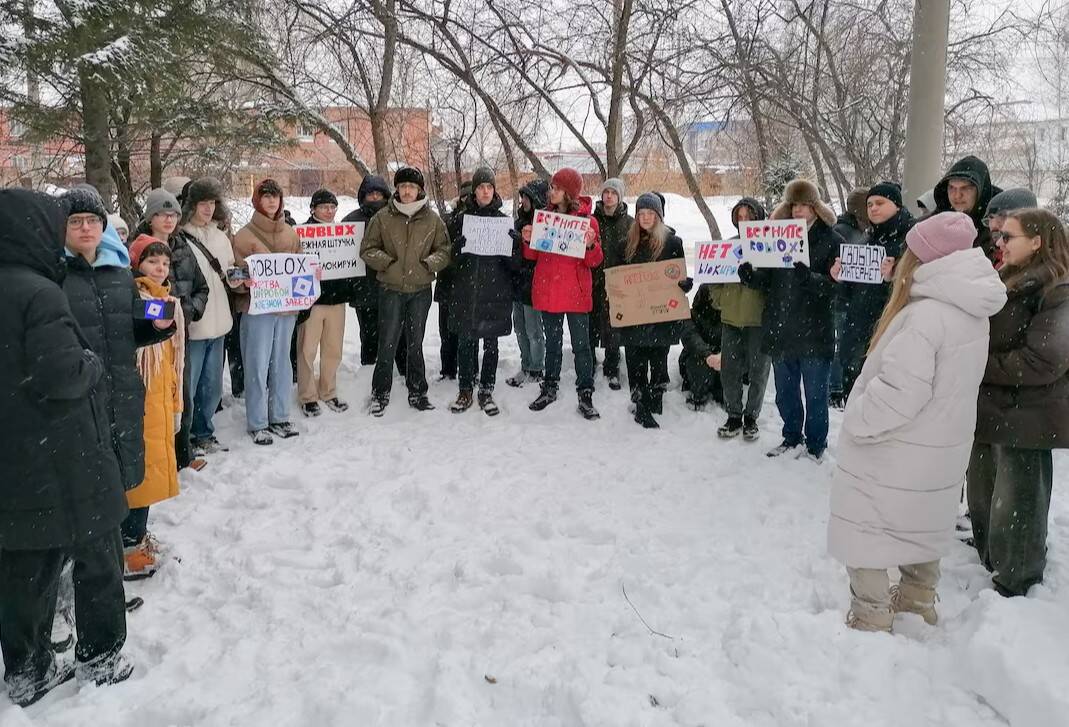
In a move that has sparked widespread controversy and debate, Russia has banned the popular online gaming platform Roblox, citing concerns over child safety and the spread of extremist ideologies. The ban, which was implemented in early December, has been met with opposition from gamers and free speech advocates in the Siberian city of Tomsk, where rare protests have erupted in response to the government’s decision.
While Russia has a history of blocking or restricting social media platforms like Snapchat, Facebook, Instagram, and YouTube, the ban on Roblox has struck a chord with the country’s youth, who have taken to the streets to express their discontent. The protests, which have been largely peaceful, have highlighted the complexities of censorship in the digital age and the challenges of balancing child safety with the need for free expression and access to information.
Roblox, which allows users to create and play a wide range of games, has become a staple of online entertainment for millions of children and teenagers around the world. The platform’s popularity stems from its ability to provide a safe and creative space for users to interact with each other and express themselves through game development and play. However, the Russian government has argued that the platform poses a threat to child safety, citing concerns over the spread of extremist ideologies and the potential for children to be exposed to harmful or inappropriate content.
The ban on Roblox has also sparked a debate over the effectiveness of censorship in the digital age. With the widespread availability of virtual private networks (VPNs) and other technologies that allow users to bypass government restrictions, many have questioned the ability of governments to effectively block access to online content. In fact, many children in Russia have already found ways to circumvent the ban by using VPNs to access the platform, highlighting the limitations of government censorship in a world where technology is constantly evolving.
Furthermore, the ban on Roblox has raised concerns about the broader implications of censorship for freedom of expression and access to information. While the Russian government has argued that the ban is necessary to protect children, many have argued that it sets a dangerous precedent for government control over the internet and the suppression of dissenting voices. In a country where the media is already heavily controlled, the ban on Roblox has been seen by many as a further erosion of civil liberties and a threat to the free flow of information.
The protests in Tomsk, which have been largely organized by young people, have highlighted the passion and determination of Russia’s youth to defend their right to free expression and access to information. Despite the risks of protesting in a country where dissent is often met with repression, the protesters have been vocal in their opposition to the ban, arguing that it is a violation of their rights and an attack on their freedom to play and interact online.
In addition to the protests, the ban on Roblox has also sparked a debate among experts and analysts about the impact of censorship on child safety. While some have argued that the ban is necessary to protect children from harmful content, others have argued that it is a blunt instrument that fails to address the root causes of the problem. Many have argued that a more effective approach would be to educate children and parents about online safety and to provide them with the tools and resources they need to navigate the internet safely.
In conclusion, the ban on Roblox in Russia has sparked a rare protest and debate over censorship, child safety, and the effectiveness of government restrictions in the digital age. While the Russian government has argued that the ban is necessary to protect children, many have questioned the ability of governments to effectively control access to online content and the implications of censorship for freedom of expression and access to information. As the world becomes increasingly digital, the debate over censorship and online freedom is likely to continue, with important implications for the future of the internet and the rights of citizens around the world.
News Source: https://www.reuters.com/business/media-telecom/russian-ban-roblox-gaming-platform-sparks-rare-protest-2025-12-14/
About the Author