Roblox ban in Russia sparks protest, debate on censorship
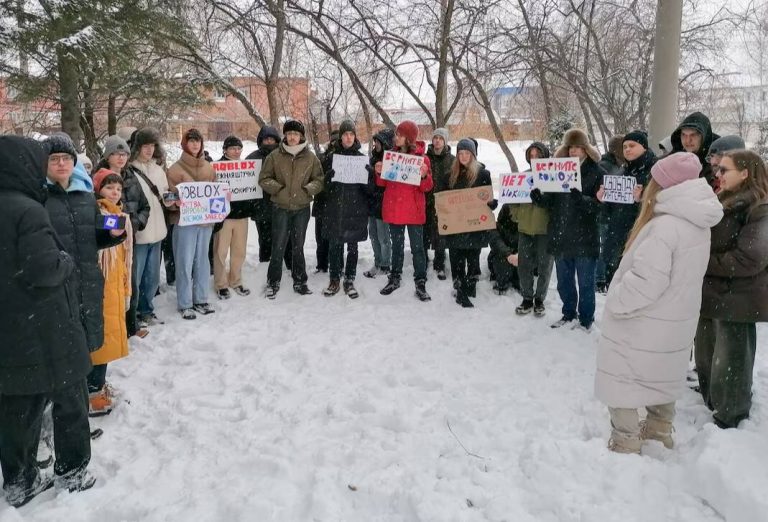
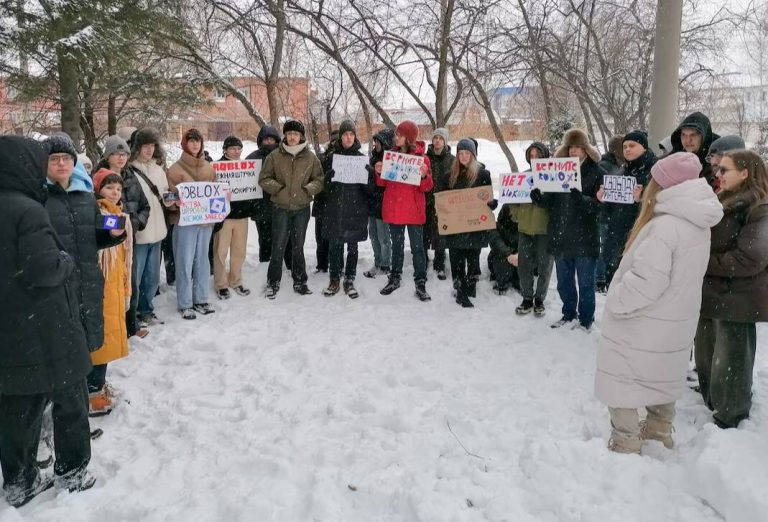
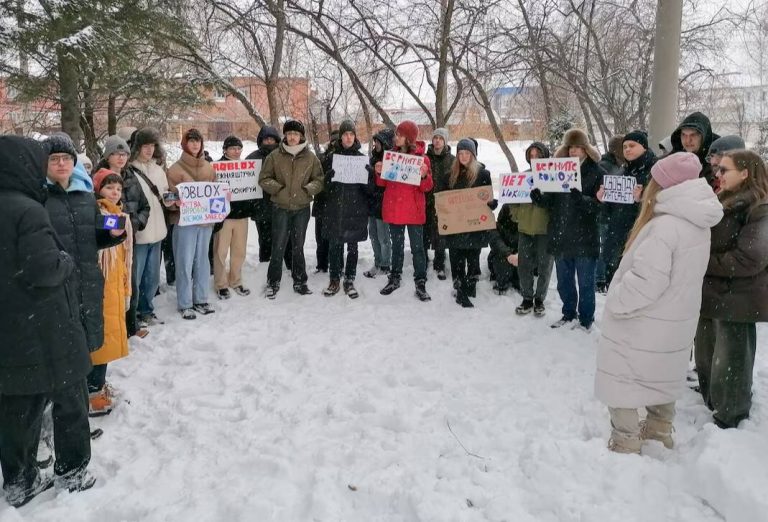
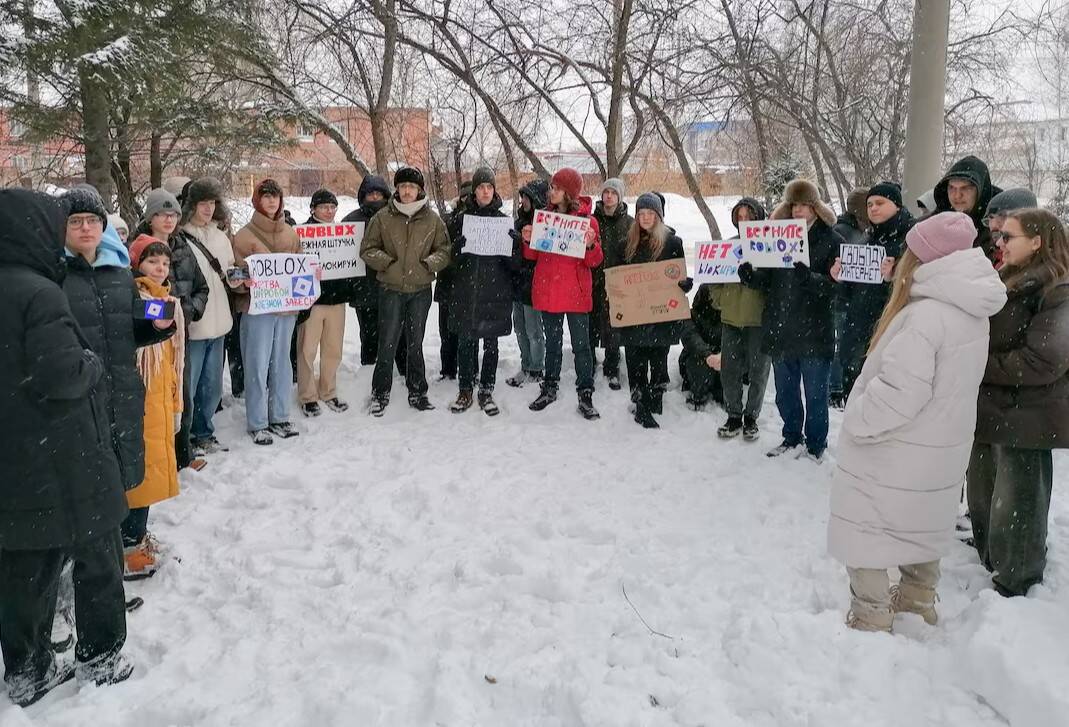
In a move that has sparked widespread opposition and debate, Russia has banned the popular online gaming platform Roblox in the Siberian city of Tomsk. The ban, which was imposed in early December, has led to rare protests in the city, with many young gamers and their parents taking to the streets to express their discontent. The decision to ban Roblox has not only raised questions about censorship and child safety but has also highlighted the challenges of regulating online content in a world where technology is constantly evolving.
The ban on Roblox is not an isolated incident in Russia, which has a history of restricting access to social media platforms and online content. In recent years, the Russian government has blocked or restricted access to platforms like Snapchat, Facebook, Instagram, and YouTube, citing concerns over national security and the spread of misinformation. However, the ban on Roblox has sparked a particularly strong reaction, with many young people in Tomsk and elsewhere in Russia taking to social media to express their outrage and frustration.
One of the main reasons for the ban on Roblox is concerns over child safety. The platform, which allows users to create and play a wide range of games, has been criticized for its lack of regulation and moderation, with some games containing violent or explicit content. The Russian government has argued that the ban is necessary to protect children from exposure to such content, and to prevent the spread of extremist ideologies.
However, many critics of the ban argue that it is an overly broad and heavy-handed measure, which will do little to address the underlying concerns over child safety. They point out that Roblox has a large and active community of users, many of whom are children and teenagers, and that the platform has a range of safety features and moderation tools in place to protect users. They also argue that the ban will simply drive the use of Roblox underground, with many young people likely to find ways to access the platform via virtual private networks (VPNs) or other circumvention tools.
The debate over the ban on Roblox has also raised broader questions about the effectiveness of censorship in the digital age. With the widespread availability of VPNs and other circumvention tools, it is relatively easy for users to bypass bans and access restricted content. This has led many to question whether censorship is a viable or effective way to regulate online content, or whether it simply serves to drive the use of restricted platforms underground.
Furthermore, the ban on Roblox has sparked concerns about the impact on freedom of expression and creativity. The platform is not just a gaming platform, but also a creative outlet for many young people, who use it to build and share their own games and content. The ban has been seen as a threat to this creativity and freedom of expression, and has sparked fears that it could have a chilling effect on the development of online content and communities.
In Tomsk, the city where the ban was first imposed, the reaction has been particularly strong. Many young people have taken to the streets to protest the ban, holding signs and banners that read “Freedom for Roblox” and “Don’t ban our games”. The protests have been peaceful, but they reflect a deep-seated frustration and anger among young people in Russia, who feel that their freedom to express themselves and access online content is being curtailed.
The ban on Roblox has also sparked a wider debate about the role of technology in society, and the challenges of regulating online content. As technology continues to evolve and become more sophisticated, it is likely that we will see more and more attempts to regulate and restrict online content. However, the ban on Roblox has highlighted the complexities and challenges of this task, and has raised important questions about the balance between freedom of expression and the need to protect children and communities from harm.
In conclusion, the ban on Roblox in Russia has sparked a rare and significant protest, and has highlighted the complexities and challenges of regulating online content. While concerns over child safety and national security are legitimate, the ban on Roblox has raised important questions about the effectiveness of censorship and the impact on freedom of expression and creativity. As the debate over the ban continues, it is clear that there are no easy answers, and that the regulation of online content will remain a contentious and challenging issue for years to come.
About the Author