Renewables drive 3.6% rise in India’s power output in 2025 Q3
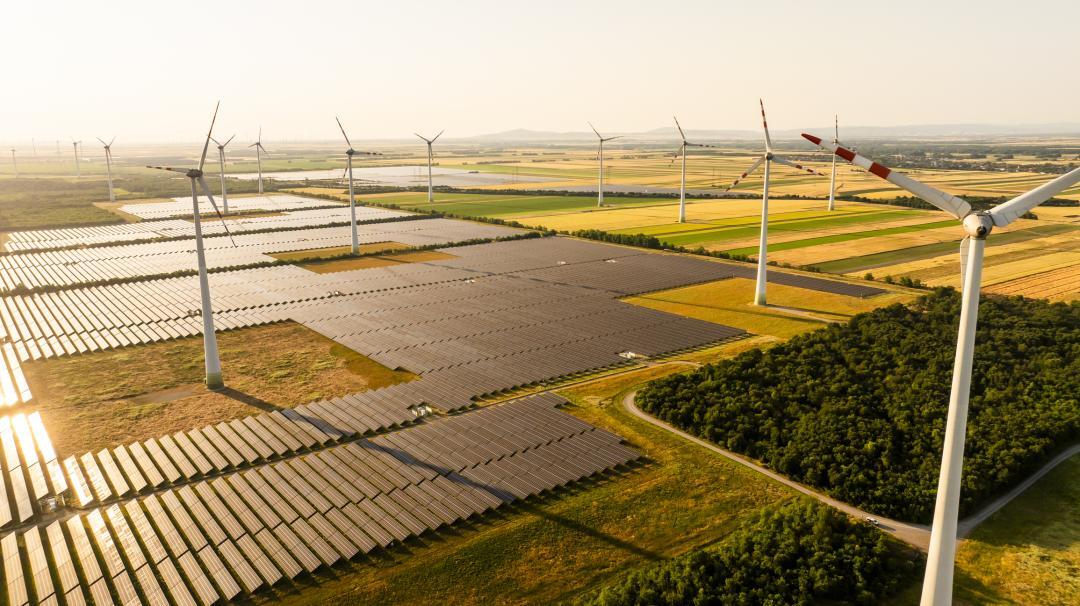
The Indian power sector has witnessed a significant surge in the third quarter of 2025, with a 3.6% increase in power generation compared to the same period last year. This growth can be attributed to the remarkable performance of renewable energy sources, which have been increasingly contributing to the country’s energy mix. According to recent data, the output from renewable sources has risen by an impressive 18.6% in the July-September quarter, playing a crucial role in driving the overall power generation growth.
The third quarter of 2025 has been notable for the Indian power sector, with non-fossil fuel sources accounting for a substantial 83% of the record quarterly capacity additions. The total capacity additions during this period stood at 16,071 MW, marking a significant milestone in the country’s transition towards cleaner energy sources. Solar energy, in particular, has been a dominant force, driving the growth of renewable energy in India. The increasing adoption of solar power has helped push the total installed capacity beyond the 500 GW mark, a testament to the country’s commitment to reducing its reliance on fossil fuels.
The growth of renewable energy in India has been driven by a combination of factors, including government policies, declining technology costs, and increasing demand for clean energy. The Indian government has set ambitious targets for renewable energy, aiming to achieve 500 GW of non-fossil fuel capacity by 2030. To achieve this goal, the government has implemented various policies and incentives, such as tax breaks, subsidies, and renewable purchase obligations, to encourage the development and adoption of renewable energy sources.
The solar sector has been a major beneficiary of these policies, with solar capacity additions accounting for a significant portion of the total renewable energy capacity additions. The cost of solar energy has declined dramatically over the years, making it more competitive with fossil fuels. This has led to a surge in demand for solar energy, driving the growth of the solar industry in India.
However, despite the impressive growth of renewable energy in India, the sector is not without its challenges. One of the major concerns is the lack of adequate transmission infrastructure, which is hindering the efficient evacuation of renewable energy from generation sites to consumption centers. This has resulted in increased curtailment of solar power, with solar curtailment rising by 12% in October. Curtailment refers to the practice of reducing the output of a power plant, in this case, solar plants, due to grid constraints or other technical issues.
The transmission constraints are emerging as a key challenge for the Indian power sector, particularly for renewable energy sources. The lack of adequate transmission infrastructure is leading to congestion in the grid, resulting in curtailment of renewable energy. This not only affects the revenue of renewable energy generators but also undermines the overall efficiency of the grid. To address this challenge, the government and grid operators need to invest in upgrading the transmission infrastructure, including the development of new transmission lines and substations.
In addition to transmission constraints, the Indian power sector also faces other challenges, such as the integration of renewable energy into the grid, energy storage, and grid stability. The intermittency of renewable energy sources, such as solar and wind, requires advanced forecasting and scheduling systems to ensure grid stability. Energy storage technologies, such as batteries, can play a crucial role in mitigating the intermittency of renewable energy, but their high cost remains a significant barrier to adoption.
Despite these challenges, the Indian power sector is poised for significant growth in the coming years, driven by the increasing adoption of renewable energy sources. The government’s policies and targets for renewable energy are expected to drive investments in the sector, creating new opportunities for developers, manufacturers, and other stakeholders. As the country continues to transition towards a low-carbon economy, the importance of renewable energy will only continue to grow, driving innovation, employment, and sustainable development.
In conclusion, the 3.6% rise in India’s power output in the third quarter of 2025 is a testament to the growing importance of renewable energy in the country’s energy mix. The remarkable performance of renewable energy sources, particularly solar, has driven the growth of the power sector, with non-fossil fuel sources accounting for 83% of record quarterly capacity additions. While challenges such as transmission constraints and grid stability remain, the Indian power sector is poised for significant growth in the coming years, driven by the increasing adoption of renewable energy sources.
News source: https://www.downtoearth.org.in/energy/renewables-drive-36-rise-in-indias-power-output-in-july-september-2025
About the Author