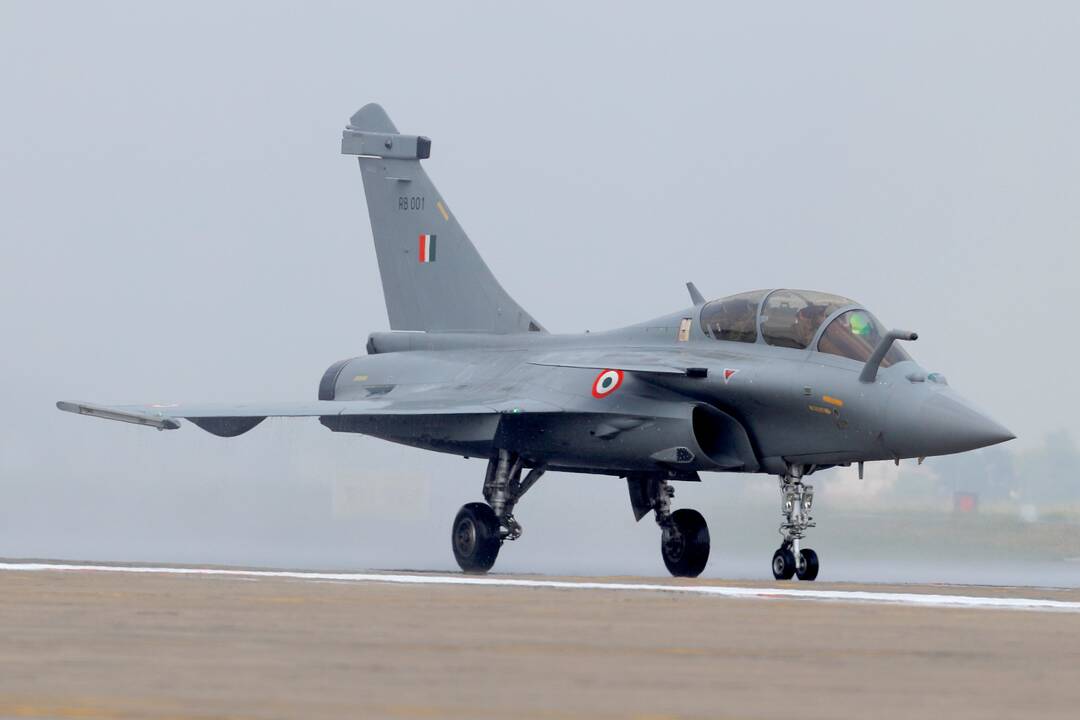
Rafale maker invests ₹1,800 cr in Harmattan AI to develop AI-powered air combat systems
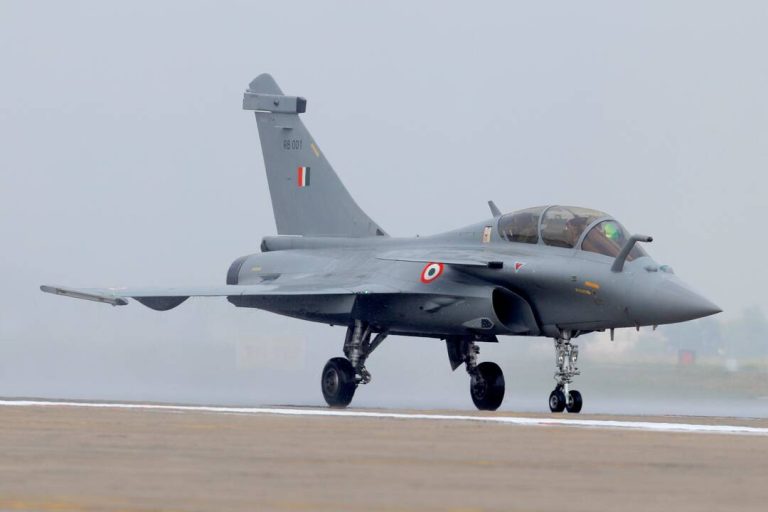
The world of aerospace and defense is witnessing a significant transformation with the integration of artificial intelligence (AI) in air combat systems. In a recent development, French aerospace major Dassault Aviation, the manufacturer of the renowned Rafale fighter jets, has invested $200 million (over ₹1,800 crore) in startup Harmattan AI. This substantial investment is aimed at developing AI-powered air combat systems, including drones, and will play a crucial role in shaping the future of air warfare.
The collaboration between Dassault Aviation and Harmattan AI is a strategic move to enhance the capabilities of Dassault’s future air combat systems. The partnership will enable the development of advanced AI algorithms and machine learning techniques, which will be integrated into Dassault’s existing and future aircraft, including the upcoming Rafale F5. The Rafale F5 is a new version of the Rafale fighter jet, which is currently under development. The integration of AI capabilities in the Rafale F5 will significantly enhance its combat effectiveness and make it a more formidable force in the skies.
The investment in Harmattan AI is a testament to Dassault Aviation’s commitment to innovation and its pursuit of excellence in the field of aerospace and defense. The company has been at the forefront of developing cutting-edge aircraft, and its partnership with Harmattan AI will further solidify its position as a leader in the industry. The development of AI-powered air combat systems will not only enhance the capabilities of Dassault’s aircraft but also provide a significant advantage to the armed forces that operate them.
The use of AI in air combat systems is a relatively new concept, but it has the potential to revolutionize the way air warfare is conducted. AI algorithms can process vast amounts of data in real-time, enabling aircraft to make quick and informed decisions during combat. This can include detecting and tracking enemy aircraft, identifying potential threats, and making tactical decisions to engage or evade. The integration of AI in air combat systems will also enable aircraft to operate more autonomously, reducing the workload of human pilots and enhancing their safety.
The development of AI-powered drones is another area where the partnership between Dassault Aviation and Harmattan AI will have a significant impact. Drones have become an essential component of modern air warfare, and the integration of AI capabilities will make them even more effective. AI-powered drones can operate autonomously, conducting reconnaissance and surveillance missions, and even engaging enemy targets. The use of AI in drones will also enable them to adapt to changing situations and make decisions in real-time, making them a more formidable force on the battlefield.
The investment in Harmattan AI is also a significant boost to the startup ecosystem in the aerospace and defense sector. Harmattan AI is a relatively new company, and the investment from Dassault Aviation is a testament to its innovative approach to AI development. The partnership will provide Harmattan AI with the resources and expertise it needs to develop its AI capabilities and integrate them into Dassault’s air combat systems.
In conclusion, the investment of ₹1,800 crore by Dassault Aviation in Harmattan AI is a significant development in the aerospace and defense sector. The partnership will enable the development of AI-powered air combat systems, including drones, and will play a crucial role in shaping the future of air warfare. The integration of AI capabilities in Dassault’s aircraft, including the Rafale F5, will make them more effective and formidable forces on the battlefield. As the aerospace and defense sector continues to evolve, the use of AI will become increasingly important, and the partnership between Dassault Aviation and Harmattan AI is a significant step in this direction.
About the Author