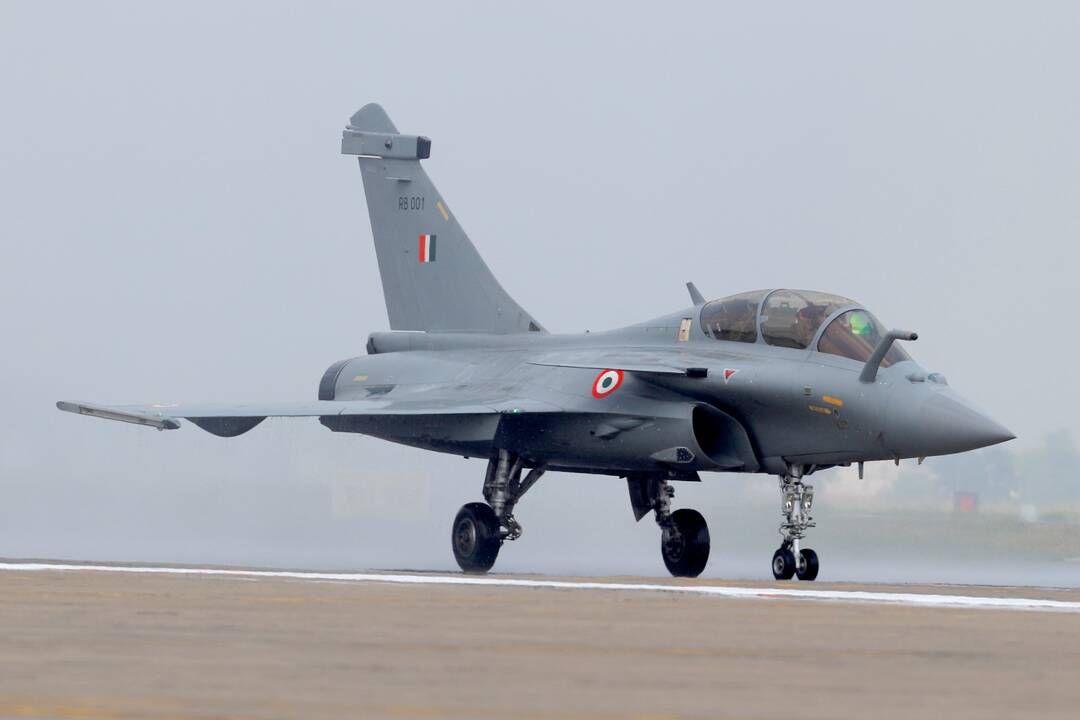
Rafale maker invests ₹1,800 cr in Harmattan AI to develop AI-powered air combat systems
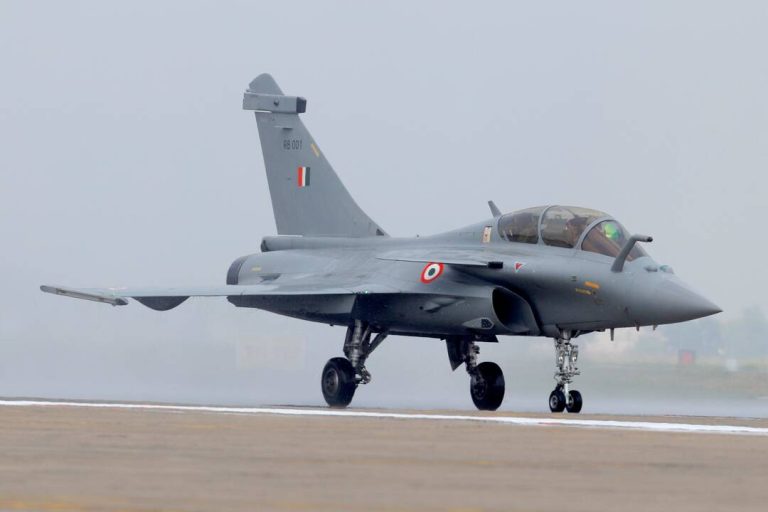
The world of aerospace and defense is witnessing a significant transformation with the integration of artificial intelligence (AI) in air combat systems. In a recent development, French aerospace major Dassault Aviation, the manufacturer of the renowned Rafale fighter jets, has announced a substantial investment in startup Harmattan AI. The company is leading a $200 million (over ₹1,800 crore) funding round in Harmattan AI, with the primary objective of developing AI-powered air combat systems, including drones.
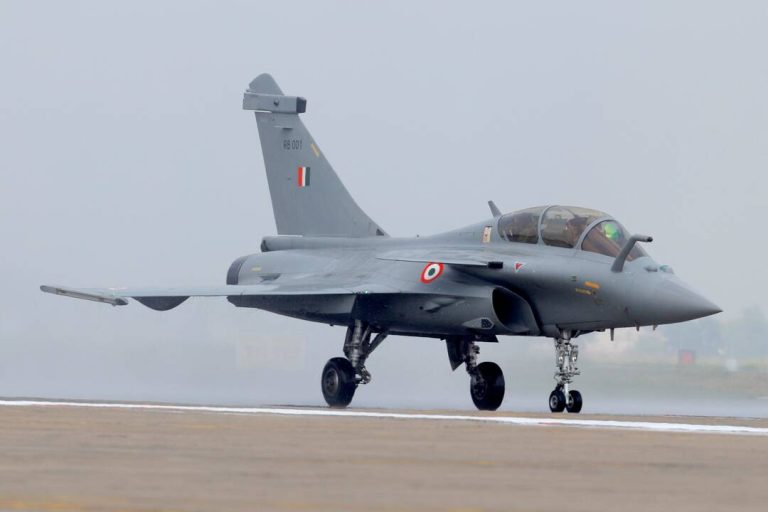
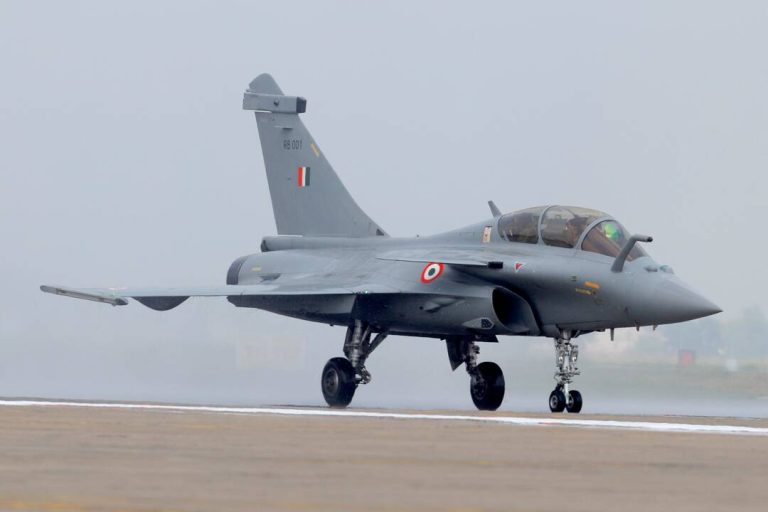
This strategic collaboration between Dassault Aviation and Harmattan AI is expected to revolutionize the field of air combat, enabling the development of more advanced and sophisticated aircraft. The partnership will support the integration of AI capabilities in Dassault Aviation’s future air combat systems, including the development of autonomous drones. Notably, Dassault is currently working on a new version of its Rafale, the Rafale F5, which is expected to feature advanced AI-powered systems.
The investment in Harmattan AI is a testament to Dassault Aviation’s commitment to innovation and its vision to stay ahead in the rapidly evolving aerospace and defense industry. By leveraging Harmattan AI’s expertise in artificial intelligence, Dassault Aviation aims to enhance the capabilities of its aircraft, making them more efficient, effective, and lethal in combat situations.
The development of AI-powered air combat systems is a significant step forward in the field of aerospace and defense. AI has the potential to transform the way aircraft are designed, operated, and maintained. With the integration of AI, aircraft can become more autonomous, enabling them to perform complex tasks with greater precision and accuracy. Additionally, AI can enhance the situational awareness of pilots, providing them with real-time data and insights to make informed decisions during missions.
The collaboration between Dassault Aviation and Harmattan AI is also expected to have a significant impact on the development of drones. Unmanned aerial vehicles (UAVs) have become an essential component of modern air forces, and the integration of AI can enhance their capabilities, making them more effective in surveillance, reconnaissance, and combat missions.
Dassault Aviation’s investment in Harmattan AI is also a reflection of the growing importance of startups in the aerospace and defense industry. Startups like Harmattan AI are driving innovation, and their expertise in areas like AI can be leveraged by established players like Dassault Aviation to stay ahead in the market.
The development of AI-powered air combat systems is not without its challenges, however. The integration of AI in aircraft requires significant advances in areas like machine learning, computer vision, and data analytics. Additionally, there are concerns about the safety and security of AI-powered systems, particularly in the context of autonomous drones.
Despite these challenges, the potential benefits of AI-powered air combat systems are significant. With the ability to process vast amounts of data in real-time, AI can enhance the situational awareness of pilots, enabling them to make more informed decisions during missions. Additionally, AI can optimize the performance of aircraft, reducing the workload of pilots and enhancing their overall safety.
In conclusion, the investment by Dassault Aviation in Harmattan AI is a significant development in the aerospace and defense industry. The collaboration between the two companies is expected to drive innovation, enabling the development of more advanced and sophisticated air combat systems. With the integration of AI, aircraft can become more autonomous, efficient, and effective, transforming the nature of air combat.
As the aerospace and defense industry continues to evolve, it will be interesting to see how the collaboration between Dassault Aviation and Harmattan AI shapes the future of air combat. With the development of AI-powered air combat systems, the industry is on the cusp of a revolution, and it will be exciting to see how this technology transforms the nature of air warfare.
About the Author