Rafale maker invests ₹1,800 cr in Harmattan AI to develop AI-powered air combat systems
The world of aerospace and defense is witnessing a significant transformation with the integration of artificial intelligence (AI) in air combat systems. In a recent development, French aerospace major Dassault Aviation, the manufacturer of the renowned Rafale fighter jets, has announced a substantial investment in startup Harmattan AI. The funding round, valued at $200 million (over ₹1,800 crore), will support the development of AI capabilities in Dassault Aviation’s future air combat systems, including drones. This collaboration is a testament to the growing importance of AI in the aerospace industry and its potential to revolutionize air combat systems.
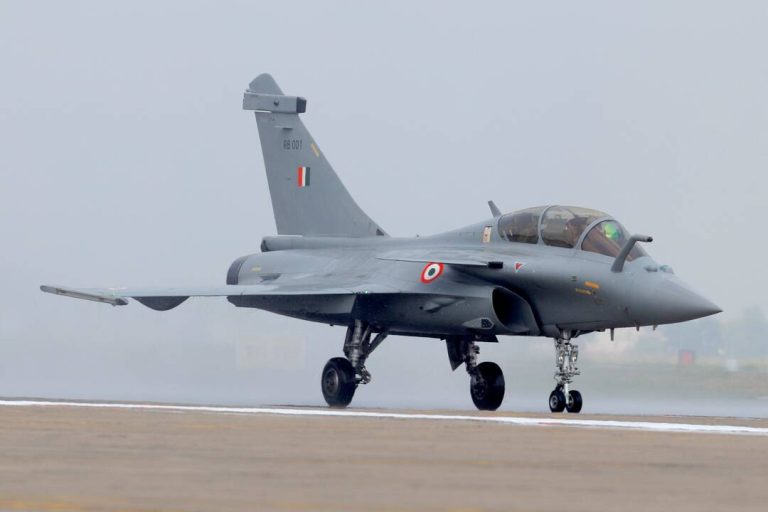
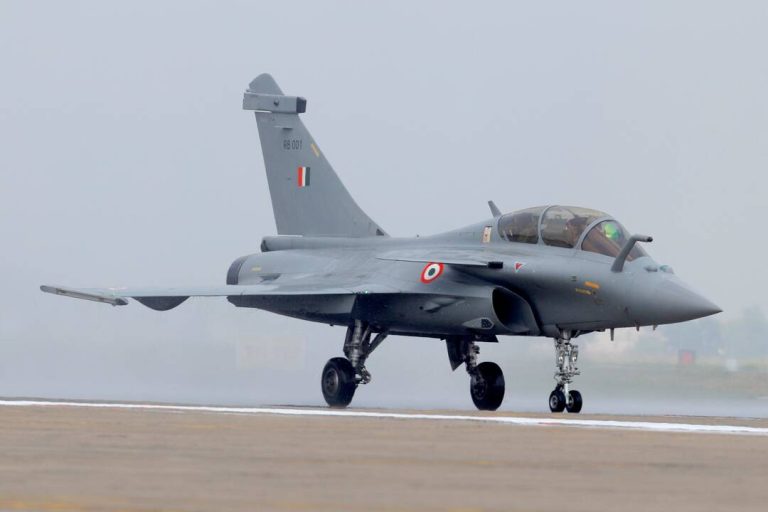
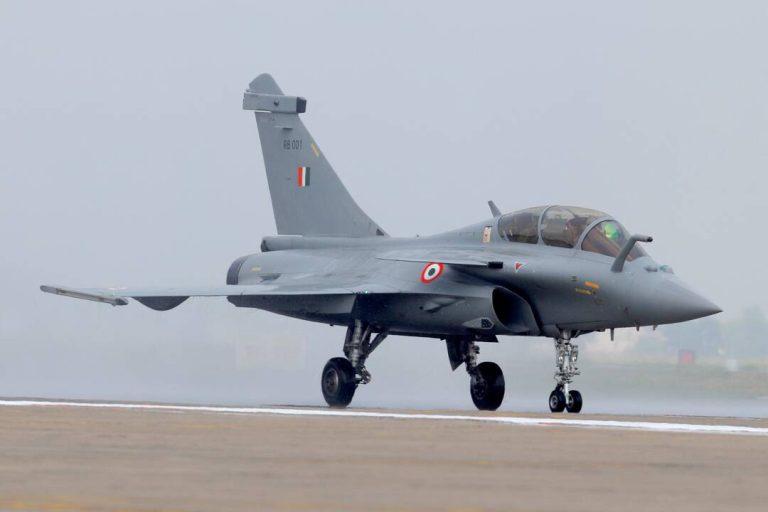
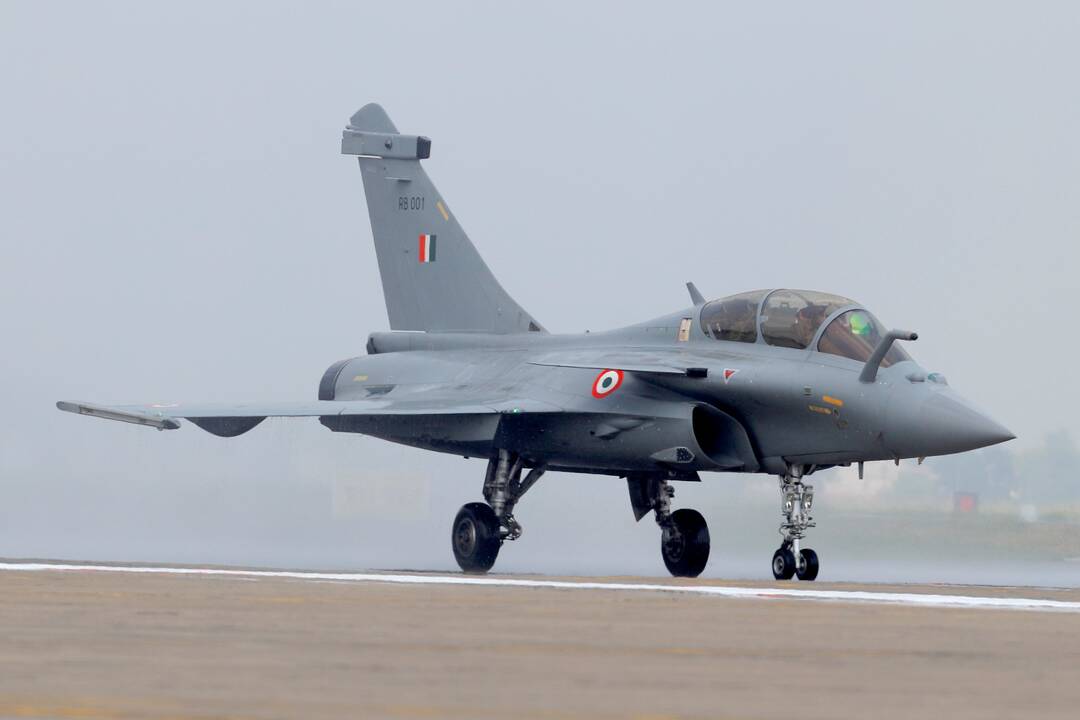
Dassault Aviation’s decision to invest in Harmattan AI is a strategic move to enhance its AI capabilities and stay ahead in the competitive aerospace market. The company is currently working on a new version of its Rafale, the Rafale F5, which is expected to feature advanced AI-powered systems. The investment in Harmattan AI will likely play a crucial role in the development of these systems, enabling the Rafale F5 to boast cutting-edge AI capabilities.
The integration of AI in air combat systems is expected to significantly enhance their effectiveness and efficiency. AI-powered systems can process vast amounts of data in real-time, enabling them to make quick and informed decisions. This can be particularly useful in air combat scenarios, where split-second decisions can be the difference between success and failure. Additionally, AI-powered systems can help reduce the workload of human pilots, allowing them to focus on strategic decision-making rather than manual operations.
The collaboration between Dassault Aviation and Harmattan AI is also expected to drive innovation in the field of drone technology. Drones are increasingly being used in various military and civilian applications, and the integration of AI can further enhance their capabilities. AI-powered drones can be used for a range of tasks, including surveillance, reconnaissance, and combat missions. The development of AI-powered drones can also have significant implications for the future of air combat, enabling militaries to deploy autonomous systems that can operate independently and make decisions in real-time.
The investment in Harmattan AI is also a testament to the growing importance of startups in the aerospace industry. Startups like Harmattan AI are driving innovation and bringing new ideas to the table, which can be leveraged by established players like Dassault Aviation to enhance their capabilities. The collaboration between Dassault Aviation and Harmattan AI is a win-win for both parties, enabling them to leverage each other’s strengths and expertise to develop cutting-edge AI-powered air combat systems.
The development of AI-powered air combat systems also raises important questions about the future of air combat and the role of human pilots. As AI-powered systems become more advanced, there is a possibility that they could replace human pilots in certain scenarios. However, it is unlikely that AI-powered systems will completely replace human pilots in the near future. Instead, AI is likely to augment human capabilities, enabling pilots to make better decisions and operate more effectively.
In conclusion, the investment by Dassault Aviation in Harmattan AI is a significant development in the aerospace industry. The collaboration between the two companies is expected to drive innovation and enhance the development of AI-powered air combat systems. As the aerospace industry continues to evolve, it is likely that we will see more investments in AI and other emerging technologies. The future of air combat is likely to be shaped by the integration of AI and other advanced technologies, and companies like Dassault Aviation and Harmattan AI are at the forefront of this revolution.
The implications of this investment are far-reaching and significant. The development of AI-powered air combat systems can have a major impact on the future of air combat, enabling militaries to deploy more effective and efficient systems. The collaboration between Dassault Aviation and Harmattan AI is a testament to the growing importance of AI in the aerospace industry and its potential to revolutionize air combat systems.
As the aerospace industry continues to evolve, it is likely that we will see more investments in AI and other emerging technologies. The future of air combat is likely to be shaped by the integration of AI and other advanced technologies, and companies like Dassault Aviation and Harmattan AI are at the forefront of this revolution. The development of AI-powered air combat systems is a significant step forward in the aerospace industry, and it will be interesting to see how this technology evolves in the coming years.
About the Author