Rafale maker invests ₹1,800 cr in Harmattan AI to develop AI-powered air combat systems
The world of defense and aerospace is witnessing a significant transformation with the integration of Artificial Intelligence (AI) in air combat systems. In a recent development, French aerospace major Dassault Aviation, the manufacturer of the renowned Rafale fighter jets, has announced a substantial investment in startup Harmattan AI. The investment, valued at $200 million (over ₹1,800 crore), will be utilized to develop AI-powered air combat systems, including drones, and support the advancement of Dassault Aviation’s future air combat capabilities.
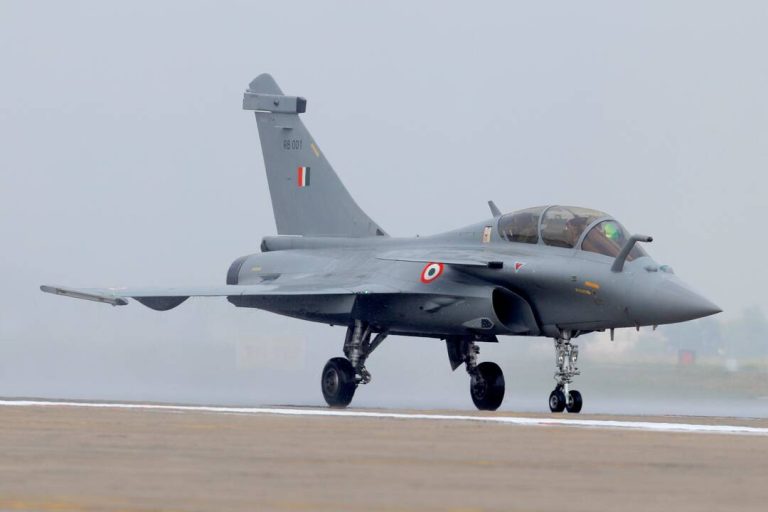
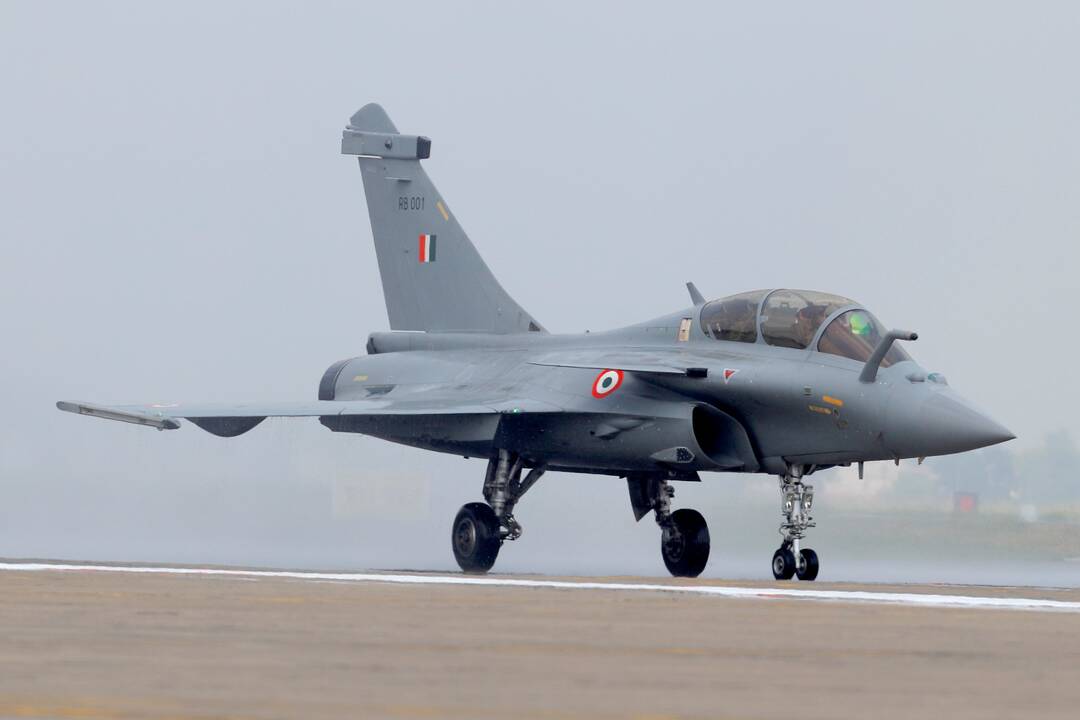
This collaboration marks a significant milestone in the aerospace industry, as it brings together the expertise of a leading aircraft manufacturer and a cutting-edge AI technology startup. The partnership will enable Dassault Aviation to leverage Harmattan AI’s innovative solutions to enhance the performance and capabilities of its air combat systems. Notably, Dassault is currently working on a new version of its Rafale, the Rafale F5, which is expected to feature advanced AI-powered systems.
The integration of AI in air combat systems is expected to revolutionize the way military forces operate, providing them with enhanced situational awareness, improved decision-making capabilities, and increased operational efficiency. AI-powered systems can analyze vast amounts of data in real-time, detect patterns, and make predictions, enabling military personnel to respond more effectively to emerging threats.
The development of AI-powered air combat systems will also enable the creation of more autonomous and unmanned aerial vehicles (UAVs), also known as drones. These drones can be used for a variety of missions, including surveillance, reconnaissance, and combat operations. The use of AI-powered drones will reduce the risk of human casualties, as they can operate in high-risk environments without putting human lives at risk.
Dassault Aviation’s investment in Harmattan AI demonstrates the company’s commitment to innovation and its recognition of the importance of AI in the future of air combat systems. The collaboration will support the development of advanced AI capabilities, including machine learning, natural language processing, and computer vision. These capabilities will be integrated into Dassault Aviation’s air combat systems, enabling them to operate more effectively and efficiently.
The partnership between Dassault Aviation and Harmattan AI is also expected to drive innovation in the aerospace industry, as it will bring together experts from both companies to develop new and innovative solutions. The collaboration will foster a culture of innovation, enabling the development of cutting-edge technologies that can be applied to a variety of military and civilian applications.
In addition to the development of AI-powered air combat systems, the investment will also support the creation of new job opportunities in the aerospace industry. The collaboration will require the hiring of skilled engineers, researchers, and technicians, who will work together to develop and integrate AI-powered systems into Dassault Aviation’s air combat platforms.
In conclusion, the investment of ₹1,800 crore by Dassault Aviation in Harmattan AI is a significant development in the aerospace industry. The collaboration will support the development of AI-powered air combat systems, including drones, and enable Dassault Aviation to enhance its future air combat capabilities. The partnership demonstrates the importance of innovation and the need for collaboration between industry leaders and startups to drive technological advancements.
As the aerospace industry continues to evolve, it is likely that we will see more investments in AI-powered technologies. The integration of AI in air combat systems will revolutionize the way military forces operate, providing them with enhanced capabilities and improved operational efficiency. The collaboration between Dassault Aviation and Harmattan AI is a significant step forward in this direction, and it will be interesting to see how this partnership shapes the future of air combat systems.
About the Author