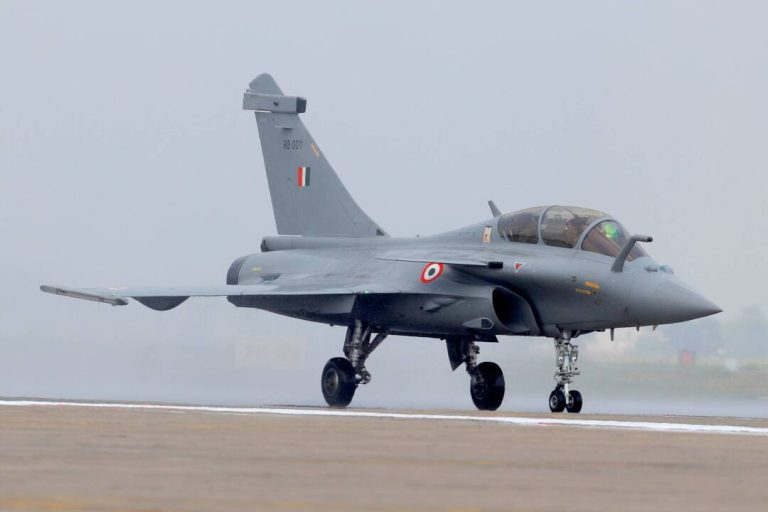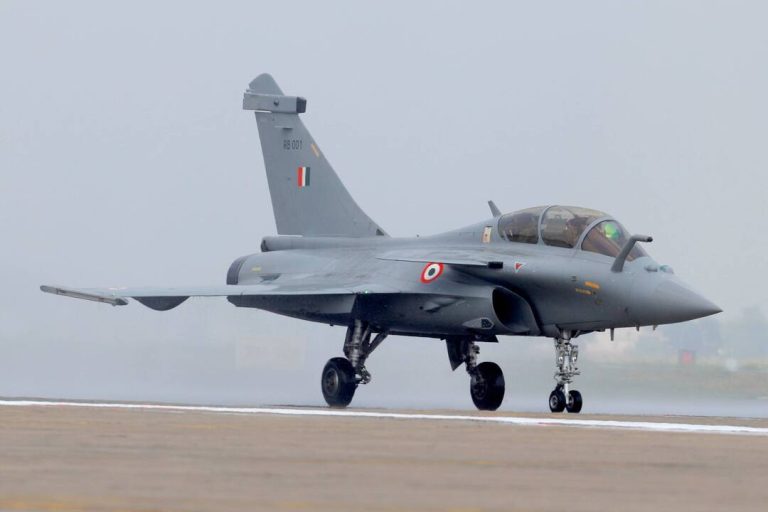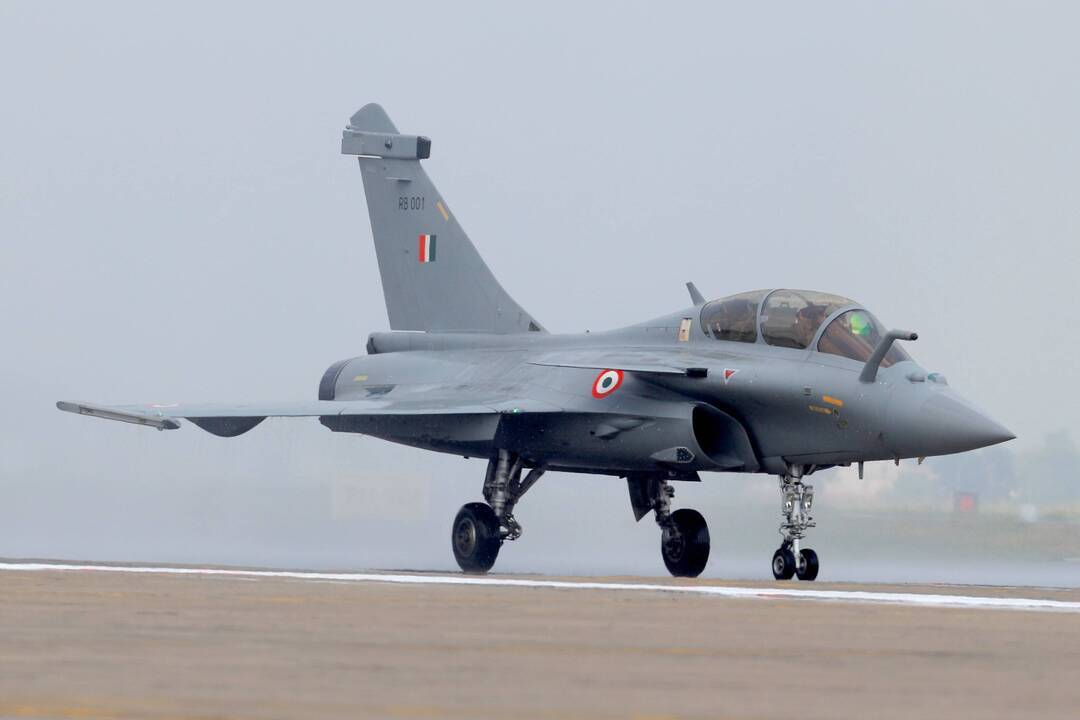
Rafale maker invests ₹1,800 cr in Harmattan AI to develop AI-powered air combat systems
The world of aerospace and defense is witnessing a significant shift with the integration of artificial intelligence (AI) in air combat systems. In a recent development, French aerospace major Dassault Aviation, the manufacturer of the renowned Rafale fighter jets, has announced a substantial investment in startup Harmattan AI. The funding round, valued at $200 million (over ₹1,800 crore), is expected to play a crucial role in enhancing the AI capabilities of Dassault Aviation’s future air combat systems, including drones.
This strategic collaboration between Dassault Aviation and Harmattan AI is a testament to the growing importance of AI in the aerospace industry. As the demand for advanced air combat systems continues to rise, the incorporation of AI technology is becoming increasingly essential. The partnership will enable Dassault Aviation to leverage Harmattan AI’s expertise in developing cutting-edge AI solutions, ultimately strengthening its position in the global aerospace market.
The development of AI-powered air combat systems is a complex and challenging task, requiring significant investments in research and development. Dassault Aviation’s investment in Harmattan AI demonstrates its commitment to staying at the forefront of innovation in the aerospace industry. By combining its expertise in aircraft manufacturing with Harmattan AI’s knowledge of AI technology, the company aims to create next-generation air combat systems that are more efficient, effective, and adaptable to evolving threats.
Notably, Dassault Aviation is currently working on a new version of its Rafale fighter jet, the Rafale F5. The Rafale F5 is expected to feature advanced AI capabilities, including enhanced sensors, data analytics, and decision-making systems. The integration of AI technology in the Rafale F5 will enable the aircraft to perform complex missions with greater precision and autonomy, making it an attractive option for air forces around the world.
The collaboration between Dassault Aviation and Harmattan AI is also expected to have a significant impact on the development of drones. As drones become increasingly important in modern warfare, the incorporation of AI technology will enable them to perform a wide range of tasks, from reconnaissance and surveillance to combat and logistics support. The development of AI-powered drones will require significant advancements in areas such as computer vision, machine learning, and data analytics, making the partnership between Dassault Aviation and Harmattan AI a crucial step in this direction.
The investment in Harmattan AI is also a reflection of the growing trend of collaboration between traditional aerospace companies and startups. As the aerospace industry continues to evolve, the need for innovative solutions and cutting-edge technologies is becoming increasingly important. Startups like Harmattan AI, with their expertise in AI and machine learning, are playing a vital role in driving innovation in the industry, and partnerships with established companies like Dassault Aviation are enabling them to bring their ideas to fruition.
In conclusion, the investment of ₹1,800 crore by Dassault Aviation in Harmattan AI is a significant development in the aerospace industry. The collaboration will support the development of AI-powered air combat systems, including drones, and will enable Dassault Aviation to stay at the forefront of innovation in the industry. As the demand for advanced air combat systems continues to rise, the incorporation of AI technology is becoming increasingly essential, and partnerships like this will play a crucial role in shaping the future of the aerospace industry.
The development of AI-powered air combat systems is a complex and challenging task, requiring significant investments in research and development. However, the potential benefits of such systems are substantial, and the collaboration between Dassault Aviation and Harmattan AI is an important step in this direction. As the aerospace industry continues to evolve, it will be interesting to see how this partnership unfolds and what impact it will have on the development of future air combat systems.
About the Author