Rafale maker invests ₹1,800 cr in Harmattan AI to develop AI-powered air combat systems
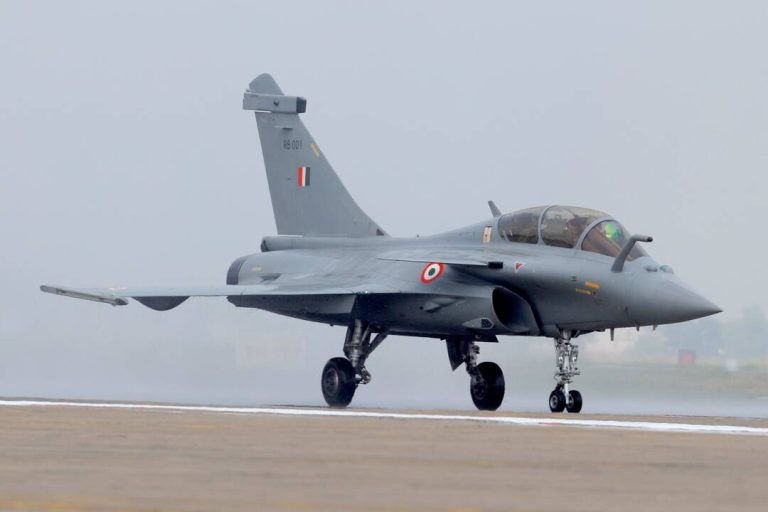
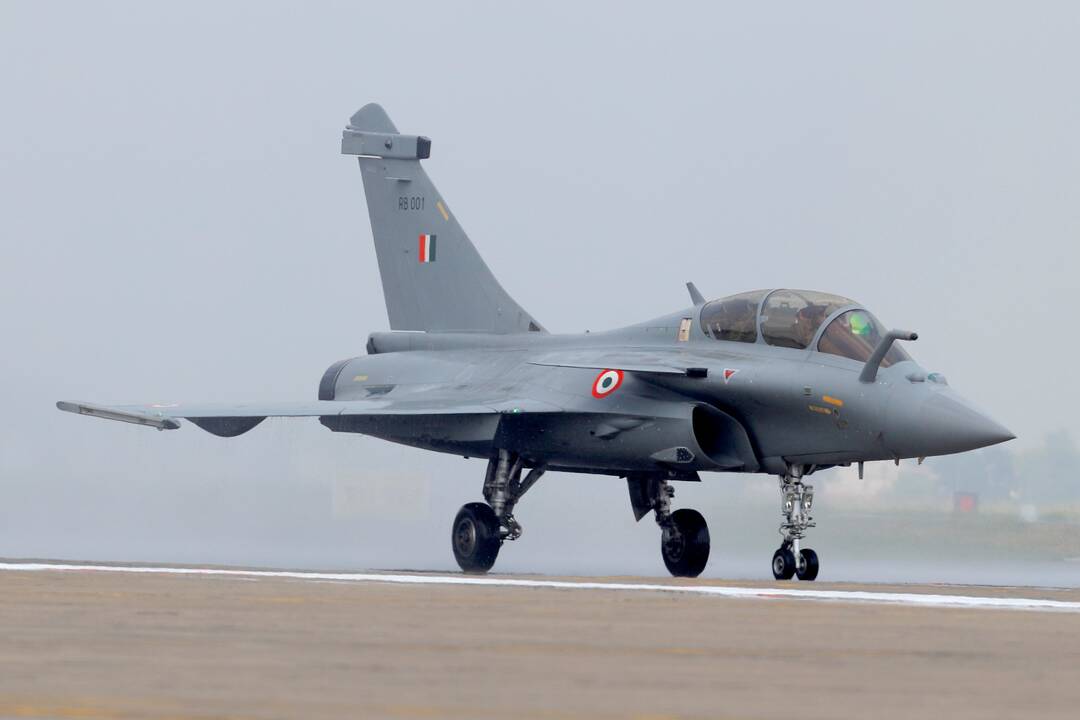
The world of aerospace and defense is witnessing a significant transformation with the integration of artificial intelligence (AI) in air combat systems. In a recent development, French aerospace major Dassault Aviation, the manufacturer of the renowned Rafale fighter jets, has made a substantial investment in startup Harmattan AI. The funding round, worth $200 million (over ₹1,800 crore), aims to support the development of AI capabilities in Dassault Aviation’s future air combat systems, including drones.
This collaboration marks a significant milestone in the aerospace industry, as it brings together the expertise of a legacy player like Dassault Aviation and the innovative approach of a startup like Harmattan AI. The partnership is expected to yield cutting-edge AI-powered air combat systems, which will enhance the capabilities of Dassault Aviation’s aircraft, including the Rafale.
Notably, Dassault Aviation is currently working on a new version of its Rafale, the Rafale F5. The Rafale F5 is expected to feature advanced capabilities, including AI-powered systems, which will enable it to perform complex missions with greater precision and effectiveness. The investment in Harmattan AI is a strategic move by Dassault Aviation to accelerate the development of these AI capabilities and stay ahead of the curve in the rapidly evolving aerospace industry.
The integration of AI in air combat systems is expected to revolutionize the way aircraft operate and interact with their environment. AI-powered systems can analyze vast amounts of data, make decisions in real-time, and perform complex tasks with greater accuracy and speed than human operators. This can significantly enhance the effectiveness of air combat operations, enabling aircraft to respond quickly to changing situations and make better decisions in the heat of battle.
The use of AI in air combat systems also has the potential to reduce the workload of human operators, allowing them to focus on higher-level tasks and make strategic decisions. Additionally, AI-powered systems can help to improve the safety of air combat operations by reducing the risk of human error and enabling aircraft to operate in more challenging environments.
The collaboration between Dassault Aviation and Harmattan AI is also expected to have a significant impact on the development of drones, which are increasingly being used in air combat operations. AI-powered drones can perform complex tasks, such as surveillance and reconnaissance, with greater autonomy and precision than traditional drones. This can enable military forces to gather critical intelligence and conduct operations in a more effective and efficient manner.
The investment in Harmattan AI is also a testament to the growing importance of startups in the aerospace industry. Startups like Harmattan AI are driving innovation and disruption in the industry, and their collaboration with established players like Dassault Aviation is expected to yield significant benefits. The partnership is expected to create new opportunities for innovation and growth, enabling both companies to stay ahead of the curve in the rapidly evolving aerospace industry.
In conclusion, the investment by Dassault Aviation in Harmattan AI is a significant development in the aerospace industry, marking a major milestone in the integration of AI in air combat systems. The collaboration is expected to yield cutting-edge AI-powered air combat systems, including drones, which will enhance the capabilities of Dassault Aviation’s aircraft and enable military forces to conduct operations more effectively. As the aerospace industry continues to evolve, we can expect to see more collaborations between established players and startups, driving innovation and growth in the industry.
About the Author