Plumbers will survive AI: Raghuram Rajan as he flags shortcomings in Indian education
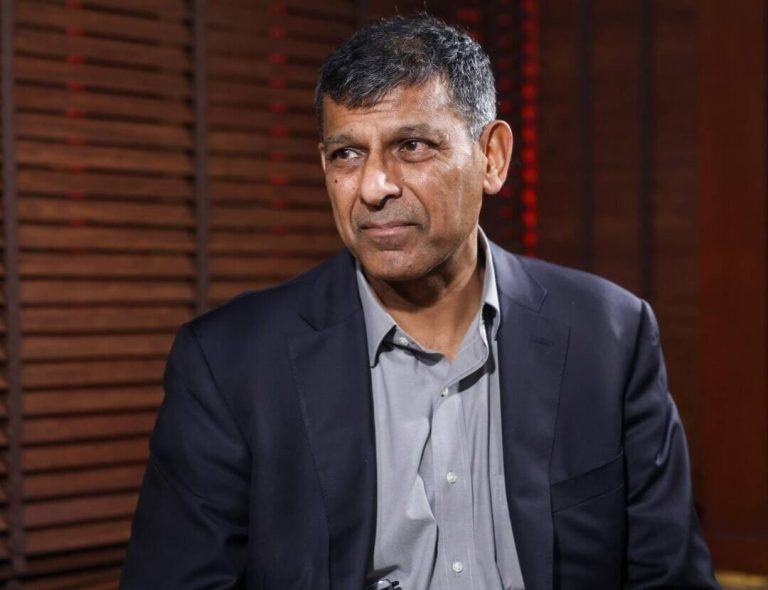
The world is at the cusp of a technological revolution, with Artificial Intelligence (AI) and automation transforming the way we live and work. As machines and algorithms increasingly take over routine and repetitive tasks, there is a growing concern about the future of jobs and the impact of AI on the workforce. However, according to former Reserve Bank of India (RBI) Governor Raghuram Rajan, some hands-on jobs like that of a plumber may survive the AI wave, while a variety of other jobs go away.
Rajan’s comments come at a time when there is a lot of debate about the impact of AI on employment and the need for upskilling and reskilling to remain relevant in the job market. Speaking at a recent event, Rajan pointed to the shortcomings in the Indian education system, emphasizing the need for a good skilling model that can equip students with the skills required for hands-on jobs. “We need to find a good skilling model…It’s not rocket science,” he said, highlighting the importance of vocational training and skill development in preparing students for the changing job market.
Rajan’s comments are significant, as they underscore the need for a fundamental shift in the way we approach education and skill development in India. For too long, the Indian education system has focused on theoretical knowledge, with an overemphasis on academic degrees and certifications. However, with the advent of AI and automation, it has become clear that this approach is no longer sufficient. What is needed is a more practical and hands-on approach to education, one that emphasizes skill development and vocational training.
According to Rajan, Indians must understand that not everyone needs a college degree. In fact, many hands-on jobs like plumbing, electrical work, and carpentry require specialized skills and training, but not necessarily a college degree. By promoting vocational training and skill development, we can create a workforce that is equipped to take on these jobs and is less vulnerable to the impact of AI and automation.
The importance of skilling and vocational training cannot be overstated. Not only can it help create a more employable workforce, but it can also address the issue of skill shortages in key sectors like manufacturing, construction, and healthcare. Moreover, by promoting entrepreneurship and self-employment, vocational training can help create new opportunities for economic growth and development.
So, what can be done to promote skilling and vocational training in India? Firstly, there is a need to reform the education system to make it more focused on skill development and vocational training. This can be done by introducing vocational courses and training programs in schools and colleges, and by providing incentives for students to pursue vocational training.
Secondly, there is a need to create a culture of entrepreneurship and self-employment in India. This can be done by providing support and resources to entrepreneurs and small businesses, and by promoting innovation and start-ups. By creating a ecosystem that supports entrepreneurship and innovation, we can create new opportunities for economic growth and development.
Finally, there is a need to address the issue of skill shortages in key sectors. This can be done by identifying the skills that are in short supply and providing training and development programs to address these shortages. By working with industry partners and stakeholders, we can create a workforce that is equipped to take on the challenges of the future.
In conclusion, Raghuram Rajan’s comments on the need for a good skilling model and the importance of vocational training are a timely reminder of the need for a fundamental shift in the way we approach education and skill development in India. By promoting skilling and vocational training, we can create a workforce that is equipped to take on the challenges of the future and is less vulnerable to the impact of AI and automation. As we move forward, it is essential that we prioritize skill development and vocational training, and create a culture of entrepreneurship and self-employment that can drive economic growth and development.
About the Author