Plumbers will survive AI: Raghuram Rajan as he flags shortcomings in Indian education
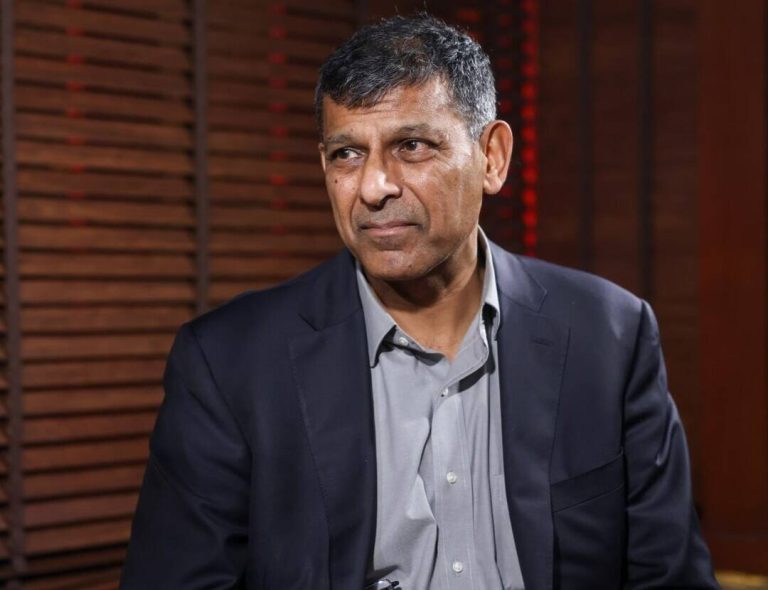
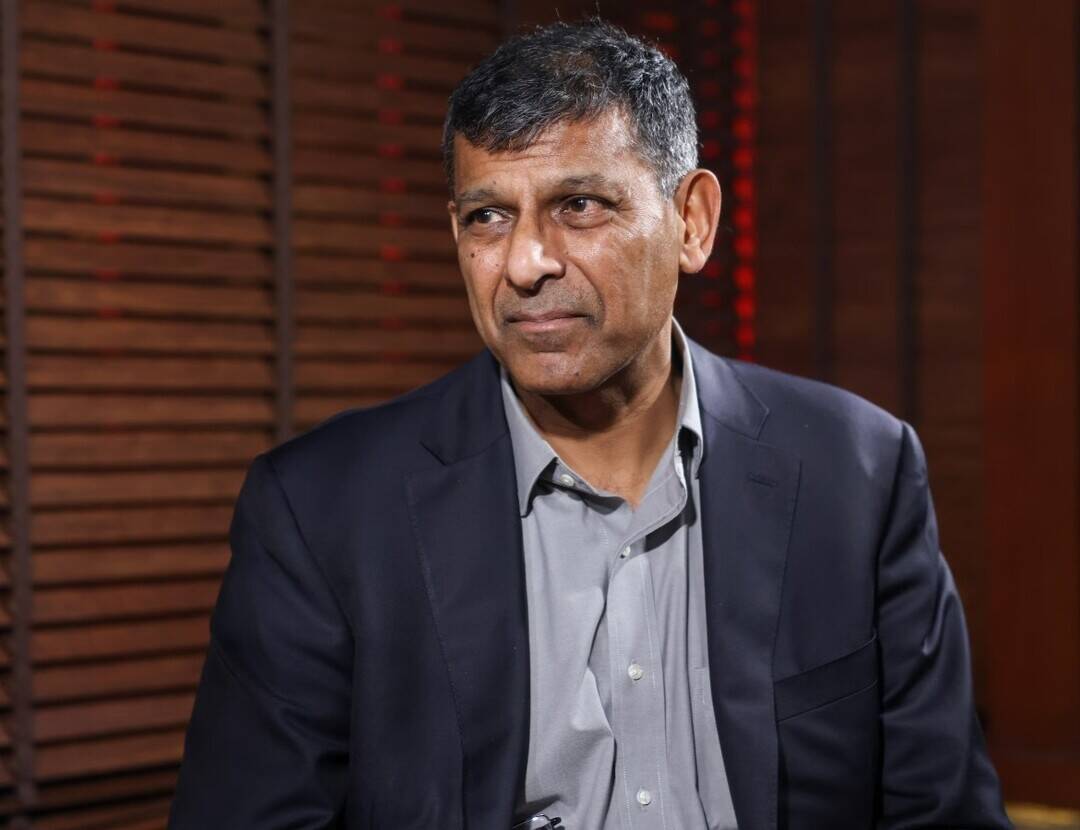
The world is abuzz with the concept of Artificial Intelligence (AI) and its potential to revolutionize the way we live and work. While AI has the potential to automate many tasks, making our lives easier and more efficient, it also poses a significant threat to certain jobs and industries. In a recent statement, former Reserve Bank of India (RBI) Governor Raghuram Rajan weighed in on the topic, stating that hands-on jobs like that of a plumber may survive the AI wave, while a variety of other jobs may become obsolete.
Rajan’s comments come at a time when the Indian education system is facing significant challenges in preparing students for the changing job market. The former RBI Governor pointed to the shortcomings in the Indian education system, emphasizing the need for a good skilling model. “We need to find a good skilling model…It’s not rocket science,” he said. This statement highlights the importance of vocational training and skill development in preparing students for the workforce.
Rajan’s comments also underscore the need for Indians to rethink their approach to education and career development. In a country where a college degree is often seen as the ultimate goal, Rajan suggested that not everyone needs a college degree. This is a significant shift in thinking, as it acknowledges that there are many paths to success beyond traditional academia. By recognizing the value of vocational training and skill development, India can begin to address the significant shortage of skilled workers in industries such as manufacturing, construction, and services.
The idea that plumbers and other hands-on workers may survive the AI wave is not surprising. These jobs require a level of human interaction, problem-solving, and adaptability that is difficult to replicate with AI. Plumbers, electricians, and carpenters, for example, must be able to troubleshoot complex problems, work with their hands, and interact with customers in a way that is difficult to automate. These skills are essential to the functioning of our daily lives, and it is unlikely that AI will be able to replace them entirely.
In contrast, many white-collar jobs, such as data entry, bookkeeping, and customer service, are already being automated at a rapid pace. These jobs often involve repetitive tasks that can be easily performed by machines, making them more susceptible to automation. As AI continues to advance, it is likely that many of these jobs will become obsolete, leaving workers to seek out new opportunities.
So, what can India do to prepare for this shift? According to Rajan, the key is to develop a good skilling model that focuses on vocational training and skill development. This could involve partnering with industry leaders to develop training programs that address specific skill gaps, as well as investing in education and training infrastructure. By doing so, India can ensure that its workforce is equipped with the skills needed to thrive in an AI-driven economy.
Furthermore, India must also work to change its cultural attitudes towards vocational training and skill development. In a country where a college degree is often seen as the ultimate status symbol, there is a stigma attached to vocational training and hands-on work. This must change if India is to develop a workforce that is equipped to meet the demands of the modern economy.
In conclusion, Raghuram Rajan’s comments highlight the importance of preparing India’s workforce for the changing job market. By recognizing the value of vocational training and skill development, and investing in education and training infrastructure, India can ensure that its workers are equipped with the skills needed to thrive in an AI-driven economy. As Rajan so aptly put it, “We need to find a good skilling model…It’s not rocket science.” By working together, India can develop a workforce that is adaptable, skilled, and prepared to meet the challenges of the 21st century.
About the Author