Plumbers will survive AI: Raghuram Rajan as he flags shortcomings in Indian education
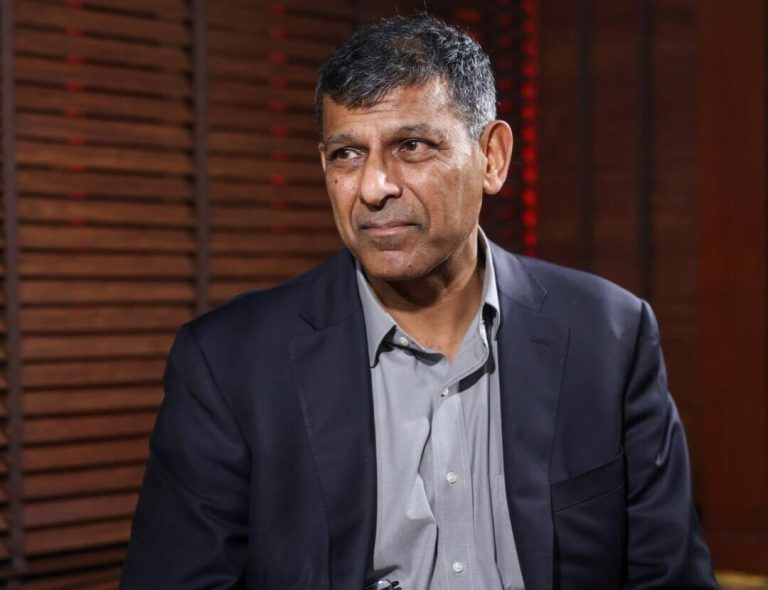
The world is on the cusp of a revolution, with Artificial Intelligence (AI) and automation transforming the way we live and work. As machines and algorithms increasingly take over routine and repetitive tasks, there is a growing concern about the impact of AI on jobs and employment. However, according to former Reserve Bank of India (RBI) Governor Raghuram Rajan, certain hands-on jobs like that of a plumber may survive the AI wave, while a variety of other jobs may become obsolete.
Rajan’s comments come at a time when there is a heated debate about the future of work and the role of AI in shaping the job market. While some experts predict that AI will create new job opportunities, others warn that it could lead to significant job losses, particularly in sectors where tasks are repetitive and can be easily automated. Rajan’s remarks, therefore, offer a refreshing perspective on the issue, highlighting the importance of hands-on skills and the need for a robust skilling model in India.
The limitations of Indian education
Rajan pointed to the shortcomings in the Indian education system, which he believes is not equipped to provide students with the skills required to succeed in a rapidly changing job market. “We need to find a good skilling model…It’s not rocket science,” he said, emphasizing the need for a more practical and vocational approach to education. According to Rajan, the Indian education system is still focused on imparting theoretical knowledge, rather than providing students with hands-on training and skills that are relevant to the industry.
This is a critical issue, as India is facing a massive skills gap, with millions of young people entering the workforce every year without the necessary skills to compete in the global job market. The country’s education system is still geared towards producing graduates who are proficient in theory, but lack the practical skills and experience required to succeed in the real world. As a result, many Indian graduates are finding it difficult to secure employment, despite having a degree from a reputable institution.
The importance of skilling
Rajan’s comments highlight the importance of skilling and vocational training in preparing young people for the workforce. In a rapidly changing job market, where AI and automation are increasingly prevalent, it is essential to have a workforce that is skilled, adaptable, and able to respond to new challenges and opportunities. This requires a fundamental shift in the way we approach education and training, with a greater emphasis on practical skills and hands-on experience.
As Rajan noted, “It’s not rocket science” to develop a good skilling model. However, it does require a concerted effort from governments, educators, and industry leaders to create a system that is relevant, effective, and accessible to all. This could involve partnerships between educational institutions and industry players, as well as investments in vocational training and apprenticeship programs.
Not everyone needs a college degree
Rajan also emphasized the need to recognize that not everyone needs a college degree to succeed in life. In India, there is often a strong cultural bias towards higher education, with many parents pushing their children to pursue a degree from a reputable institution. However, this can lead to a mismatch between the skills and qualifications of graduates and the needs of the industry.
As Rajan noted, there are many examples of successful individuals who have achieved great things without a college degree. In fact, some of the most successful entrepreneurs and innovators in the world, such as Steve Jobs and Mark Zuckerberg, dropped out of college to pursue their passions. This highlights the importance of recognizing that there are many paths to success, and that a college degree is not the only way to achieve one’s goals.
Conclusion
In conclusion, Raghuram Rajan’s comments offer a timely reminder of the need to rethink our approach to education and skilling in India. As the country prepares for a future where AI and automation will play an increasingly important role, it is essential to develop a workforce that is skilled, adaptable, and able to respond to new challenges and opportunities. This requires a fundamental shift in the way we approach education and training, with a greater emphasis on practical skills and hands-on experience.
As Rajan noted, hands-on jobs like that of a plumber may survive the AI wave, while a variety of other jobs may become obsolete. However, with the right skills and training, Indian workers can thrive in a rapidly changing job market. It is time for us to recognize the importance of skilling and vocational training, and to develop a system that is relevant, effective, and accessible to all.
About the Author