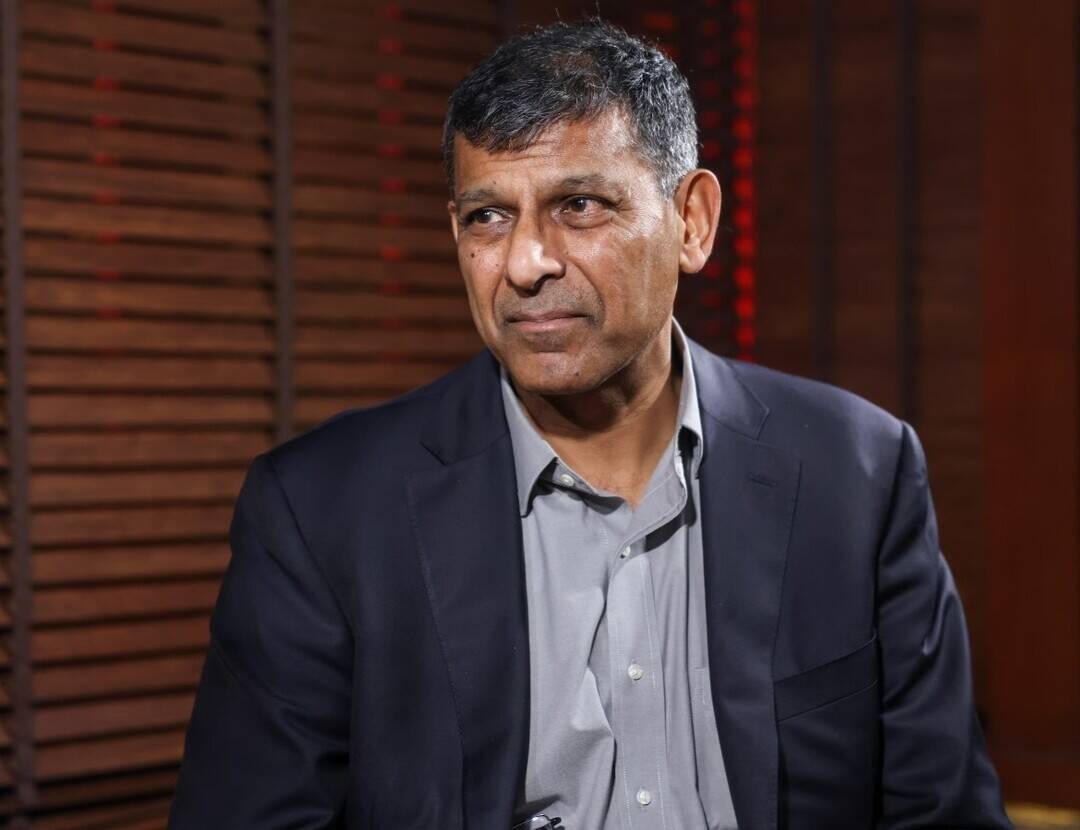
Plumbers will survive AI: Raghuram Rajan as he flags shortcomings in Indian education
The world is on the cusp of a revolution, with Artificial Intelligence (AI) transforming the way we live and work. As machines and algorithms increasingly take over routine and repetitive tasks, there is a growing concern about the impact of AI on jobs and employment. However, according to former Reserve Bank of India (RBI) Governor Raghuram Rajan, not all jobs are at risk of being automated. In a recent statement, Rajan suggested that hands-on jobs like that of a plumber may survive the AI wave, while a variety of other jobs may become obsolete.
Rajan’s observation highlights the importance of skills training and vocational education in preparing workers for the changing job market. Pointing to shortcomings in the Indian education system, Rajan emphasized the need for a good skilling model that can equip students with the skills required for hands-on jobs. “We need to find a good skilling model…It’s not rocket science,” he said, underscoring the need for a more practical and skills-based approach to education.
The Indian education system has long been criticized for its emphasis on theoretical knowledge over practical skills. The focus on rote learning and memorization has resulted in a lack of emphasis on hands-on training and skills development. This has led to a shortage of skilled workers in areas such as plumbing, electrical work, and carpentry, among others. As a result, India has had to rely on foreign workers to fill these gaps, despite having a large pool of unemployed youth.
Rajan’s comments also highlight the need for a shift in mindset among Indians, who often prioritize college degrees over vocational training. “Not everyone needs a college degree,” he said, emphasizing the importance of recognizing the value of skills-based education. This is a crucial message, given the widespread perception in India that a college degree is the only path to success.
The reality, however, is that many college graduates in India struggle to find employment, while skilled workers in areas such as plumbing and electrical work are in high demand. According to a report by the National Skill Development Corporation (NSDC), the Indian economy will require over 100 million skilled workers by 2022, across various sectors. However, the current education system is not equipped to provide the necessary skills training to meet this demand.
To address this shortfall, the government has launched several initiatives aimed at promoting skills training and vocational education. The Pradhan Mantri Kaushal Vikas Yojana (PMKVY), for example, provides financial support to students who undergo skills training in areas such as plumbing, electrical work, and IT. Similarly, the National Skill Development Mission (NSDM) aims to provide skills training to over 400 million people by 2022.
However, despite these initiatives, much more needs to be done to address the shortcomings in the Indian education system. There is a need for a more comprehensive approach to skills training, one that involves both the government and the private sector. Companies such as Siemens, IBM, and Microsoft have already launched their own skills training programs, recognizing the importance of having a skilled workforce.
In conclusion, Raghuram Rajan’s comments highlight the importance of skills training and vocational education in preparing workers for the changing job market. As AI increasingly takes over routine and repetitive tasks, it is essential that we recognize the value of hands-on jobs such as plumbing and electrical work. By promoting skills training and vocational education, we can equip students with the skills required for these jobs and ensure that they are prepared for the future.
The Indian government and the private sector must work together to address the shortcomings in the Indian education system and provide students with the skills training they need to succeed. This requires a shift in mindset, one that recognizes the value of skills-based education and the importance of hands-on training. By doing so, we can ensure that India is well-equipped to meet the challenges of the future and that our workers are prepared for the changing job market.
About the Author