Plumbers will survive AI: Raghuram Rajan as he flags shortcomings in Indian education
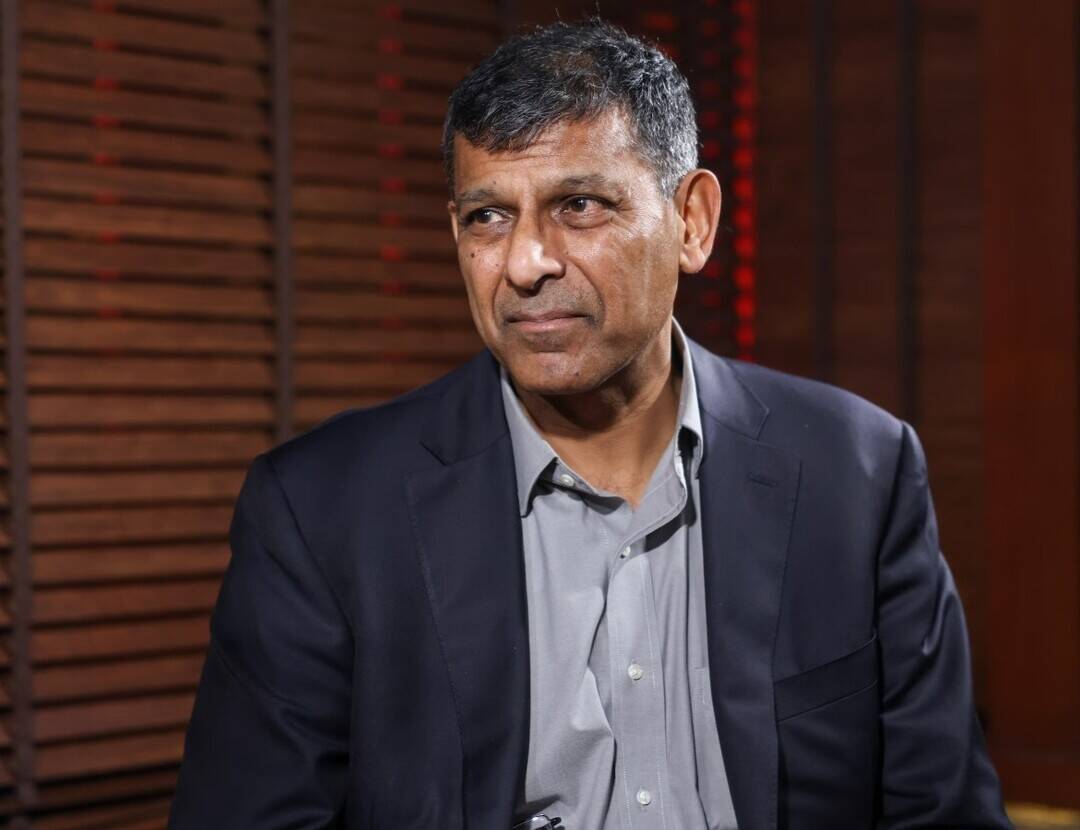
The advent of Artificial Intelligence (AI) has sparked a heated debate about the future of jobs and the impact of automation on various industries. While some experts predict that AI will replace a significant number of jobs, others argue that certain professions will remain unaffected. Former Reserve Bank of India (RBI) Governor Raghuram Rajan has weighed in on the discussion, suggesting that hands-on jobs like that of a plumber may survive the AI wave, while a variety of other jobs may disappear.
Rajan’s comments come at a time when the Indian economy is grappling with the challenges of job creation and skill development. The country’s education system has been criticized for its shortcomings, with many arguing that it fails to provide students with the necessary skills to compete in the modern job market. Rajan echoed these concerns, stating that India needs to find a good skilling model to prepare its workforce for the changing job landscape.
According to Rajan, the key to surviving the AI wave lies in acquiring skills that are complementary to automation. He emphasized the importance of hands-on training and vocational education, citing the example of plumbers who are unlikely to be replaced by AI. “We need to find a good skilling model…It’s not rocket science,” Rajan said, highlighting the need for a more practical approach to education.
Rajan’s comments are particularly relevant in the Indian context, where the education system is often criticized for its theoretical focus. Many students graduate from college without acquiring the necessary skills to secure a job, leading to a mismatch between the demand and supply of skilled labor. The former RBI Governor suggested that Indians must understand that not everyone needs a college degree, and that vocational training and apprenticeships can be just as valuable.
The issue of skill development is a critical one in India, where the economy is expected to grow at a rapid pace in the coming years. As the country strives to become a major player in the global economy, it will need to ensure that its workforce is equipped with the necessary skills to compete. This will require a significant overhaul of the education system, with a greater emphasis on practical training and vocational education.
Rajan’s comments are not just limited to the education system, but also highlight the need for a change in mindset. Many Indians still view a college degree as the ultimate goal, without considering alternative paths such as vocational training or entrepreneurship. This mindset needs to change, with a greater emphasis on acquiring skills that are relevant to the modern job market.
The example of plumbers is a useful one in this context. While AI may replace some jobs, it is unlikely to replace the need for skilled tradespeople such as plumbers, electricians, and carpenters. These professions require a combination of technical skills and manual dexterity, making them less susceptible to automation.
In conclusion, Raghuram Rajan’s comments highlight the need for a more practical approach to education and skill development in India. As the country navigates the challenges of the AI wave, it will need to ensure that its workforce is equipped with the necessary skills to compete. This will require a significant overhaul of the education system, with a greater emphasis on vocational training and hands-on skills. By acquiring skills that are complementary to automation, Indians can survive the AI wave and thrive in a rapidly changing job market.
About the Author