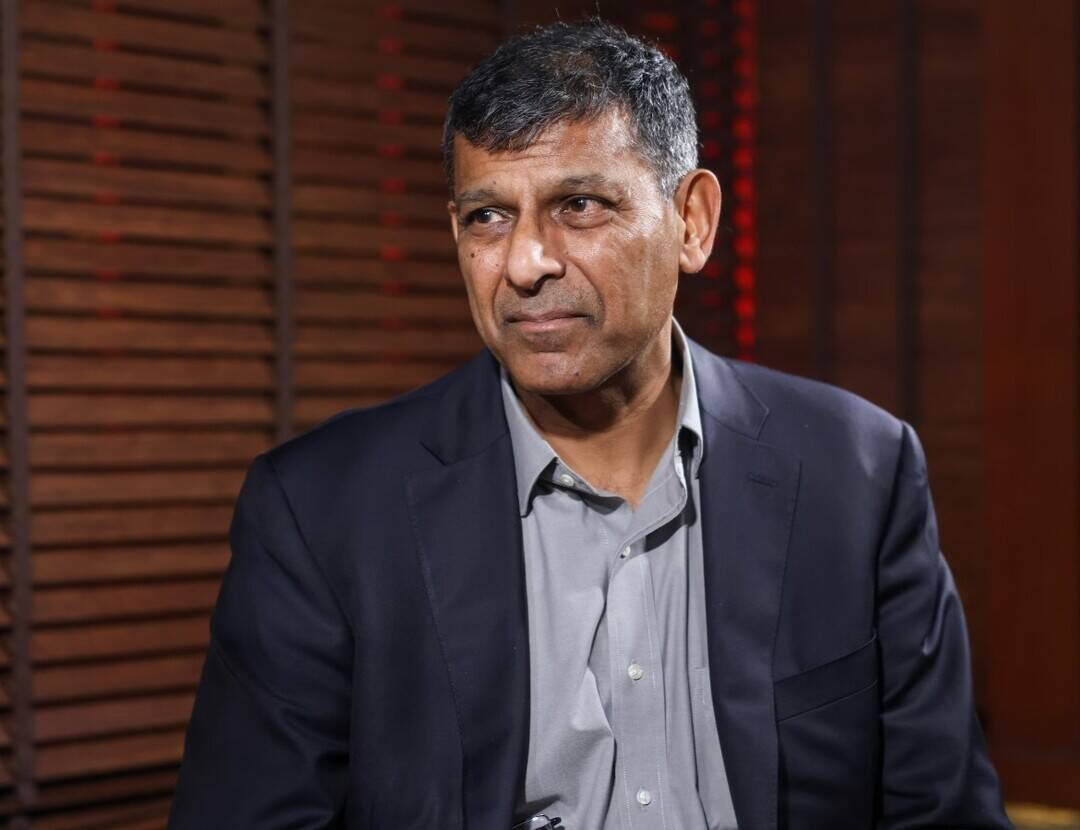
Plumbers will survive AI: Raghuram Rajan as he flags shortcomings in Indian education
The world is abuzz with the concept of Artificial Intelligence (AI) and its potential to disrupt various industries and job markets. While many experts predict that AI will automate a significant number of jobs, former Reserve Bank of India (RBI) Governor Raghuram Rajan has a different take on the matter. According to him, hands-on jobs like that of a plumber may survive the AI wave, while a variety of other jobs may become obsolete. In a recent statement, Rajan highlighted the shortcomings in the Indian education system and emphasized the need for a good skilling model to prepare the workforce for the changing job market.
Rajan’s statement comes at a time when the Indian economy is facing significant challenges in terms of job creation and skill development. The country has a large and growing workforce, but the education system has failed to provide them with the necessary skills to compete in the global market. As a result, many Indian workers are forced to take up low-skilled and low-paying jobs, which are vulnerable to automation. Rajan’s comments suggest that the Indian education system needs to focus more on providing hands-on skills and training, rather than just theoretical knowledge.
The idea that plumbers and other hands-on workers will survive the AI wave is not new. Many experts have pointed out that jobs that require human interaction, creativity, and problem-solving skills are less likely to be automated. Plumbers, electricians, and other skilled tradespeople require a combination of technical knowledge, manual dexterity, and problem-solving skills, which are difficult to replicate with AI. Moreover, these jobs often require a human touch and interaction with customers, which is essential for building trust and providing good service.
On the other hand, jobs that involve repetitive tasks, data entry, and routine calculations are more likely to be automated. This is because AI algorithms can perform these tasks with greater speed and accuracy than humans, making them ideal candidates for automation. As a result, many jobs in the manufacturing, accounting, and administrative sectors are at risk of being automated.
Rajan’s comments also highlight the need for a good skilling model in India. The country has a large and growing workforce, but the education system has failed to provide them with the necessary skills to compete in the global market. The Indian government has launched several initiatives to promote skill development, including the Skill India program, but more needs to be done to address the skills gap.
According to Rajan, “We need to find a good skilling model…It’s not rocket science.” He further suggested that Indians must understand that not everyone needs a college degree. This is a significant statement, as the Indian education system has traditionally emphasized the importance of a college degree. However, the reality is that many jobs do not require a college degree, and a vocational training or apprenticeship can be just as valuable.
In fact, many countries have successfully implemented vocational training programs that provide workers with the necessary skills to compete in the job market. Germany, for example, has a well-developed apprenticeship program that provides workers with hands-on training in various trades. Similarly, countries like Australia and Canada have implemented vocational training programs that focus on providing workers with the skills needed to compete in the global market.
In conclusion, Raghuram Rajan’s comments highlight the need for a good skilling model in India to prepare the workforce for the changing job market. While AI may automate many jobs, hands-on jobs like that of a plumber may survive the AI wave. The Indian education system needs to focus more on providing hands-on skills and training, rather than just theoretical knowledge. By doing so, India can provide its workforce with the necessary skills to compete in the global market and take advantage of the opportunities presented by the changing job market.
About the Author