Plumbers will survive AI: Raghuram Rajan as he flags shortcomings in Indian education
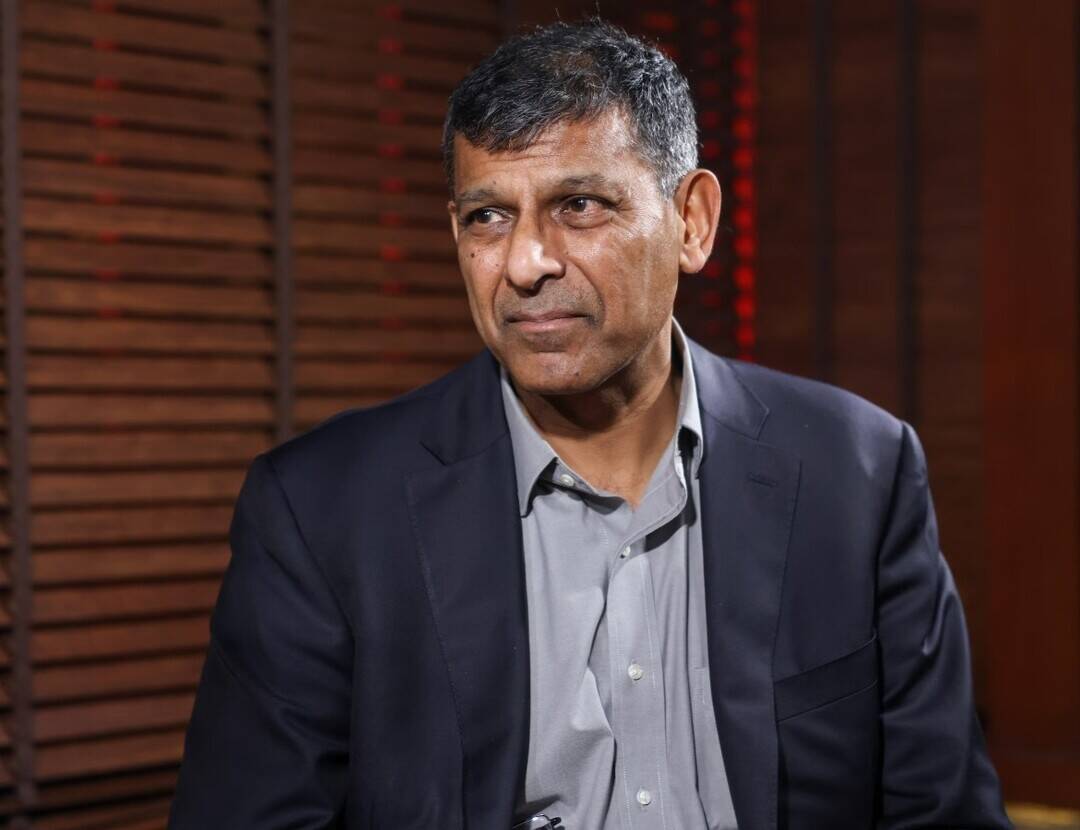
The world is on the cusp of a technological revolution, with Artificial Intelligence (AI) and automation transforming the way we live and work. As machines and algorithms increasingly assume tasks previously performed by humans, there is a growing concern about the impact of AI on employment. However, according to former Reserve Bank of India (RBI) Governor Raghuram Rajan, certain hands-on jobs, such as that of a plumber, may survive the AI wave, while a variety of other jobs may become obsolete.
Rajan’s comments highlight the need for India to reassess its education system and focus on developing skills that are less likely to be automated. He emphasized the importance of finding a good skilling model, stating, “We need to find a good skilling model…It’s not rocket science.” This statement underscores the fact that providing individuals with the right skills and training can help them adapt to the changing job market and remain relevant in an AI-driven economy.
The Indian education system has long been criticized for its focus on theoretical knowledge over practical skills. The emphasis on rote learning and academic achievement often leads to a lack of emphasis on vocational training and hands-on experience. As a result, many Indian students graduate without the skills and expertise required to succeed in the modern workforce. Rajan’s comments suggest that this approach needs to change, and that Indians must understand that not everyone needs a college degree to be successful.
In fact, many countries have successfully implemented vocational training programs that provide students with the skills and knowledge required to pursue careers in trades such as plumbing, electrical work, and carpentry. These programs not only equip individuals with practical skills but also provide them with a sense of purpose and direction. By adopting a similar approach, India can help its youth develop the skills and expertise required to succeed in an AI-driven economy.
Moreover, the focus on hands-on jobs can also help address the issue of unemployment in India. With a large and growing population, India faces significant challenges in providing employment opportunities to its youth. By promoting vocational training and skilling programs, the government can help create jobs and stimulate economic growth. As Rajan noted, it’s not rocket science to develop a good skilling model, and India must take steps to address its shortcomings in this area.
The survival of plumbers and other hands-on jobs in an AI-driven economy is not surprising. While AI and automation can perform repetitive and routine tasks with greater efficiency and accuracy, they lack the human touch and creativity required to perform complex and nuanced tasks. Plumbers, electricians, and carpenters, among others, require a combination of technical knowledge, problem-solving skills, and physical dexterity to perform their jobs. These skills are difficult to replicate with machines and algorithms, making them less likely to be automated.
Furthermore, the demand for skilled tradespeople is likely to increase in the coming years, driven by factors such as urbanization, infrastructure development, and the need for maintenance and repair services. As India continues to grow and develop, the need for skilled workers who can install, maintain, and repair complex systems and infrastructure will only increase. By providing individuals with the skills and training required to pursue careers in these fields, India can help address its unemployment challenges and stimulate economic growth.
In conclusion, Raghuram Rajan’s comments highlight the need for India to reassess its education system and focus on developing skills that are less likely to be automated. By promoting vocational training and skilling programs, India can help its youth develop the skills and expertise required to succeed in an AI-driven economy. The survival of plumbers and other hands-on jobs is a testament to the fact that human skills and creativity are still essential in many areas of the economy. As India looks to the future, it must prioritize the development of a good skilling model and recognize that not everyone needs a college degree to be successful.
About the Author